
Where to Go in Zanzibar?
September 20, 2026
When Is the Best Time to Go on an African Safari Honeymoon
September 21, 2026
Ultimate Honeymoon in Kenya: A Region by Region Planning Guide
Kenya keeps coming up in honeymoon conversations for good reason, and once you start researching, it becomes obvious why. Few destinations let two people watch lions wake up at dawn from a private vehicle, then fall asleep that same week to the sound of the Indian Ocean from a bed with no walls between them and the stars.
That combination of safari intensity and coastal stillness is genuinely rare, and Kenya has been refining it longer than almost anywhere else on the continent. Its safari industry is over a century old, its guiding standards are among the most rigorous in East Africa, and its private conservancies were built with exactly this kind of privacy in mind.
None of that makes the planning simple. Kenya is a large country, its regions behave quite differently depending on the month, and the gap between a good honeymoon and a genuinely memorable one usually comes down to a handful of decisions made well before departure. This guide walks through those decisions in the order most couples actually face them, so you can move from a rough idea to a confirmed itinerary without guessing.
Is Kenya the Right Honeymoon Destination for You?
Every couple asks a version of this question before committing real money to a trip, and it deserves an honest answer rather than a sales pitch. Kenya suits couples who want their honeymoon to feel like an experience rather than a vacation, who are comfortable with early wake-up calls for game drives, and who like the idea of a trip built around two very different moods: the focus and adrenaline of tracking wildlife, followed by the total unwinding of a beach where the biggest decision of the day is which stretch of sand to nap on.
It suits you particularly well if you want privacy without isolation. A private conservancy camp in the Mara gives you exclusive game drives and a candlelit dinner under an acacia tree, but you are never more than a short flight from a spa, a city, or a beach if the mood shifts. That flexibility is one of the quieter reasons repeat honeymooners choose Kenya over destinations with fewer connecting options.
- Kenya tends to be the right fit if you want a genuine mix of wildlife and beach in a single trip without long transit days between them
- You value privacy and are willing to pay for exclusive use camps, private vehicles, or conservancy access rather than shared game drive vehicles
- At least one of you is genuinely excited about wildlife, not just tolerating it for the other’s sake
- You have ten to fourteen days available, since shorter trips compress the safari or the beach portion in ways that reduce the payoff
Kenya is a less natural fit if your idea of a honeymoon is entirely about lying still for two weeks with no early mornings at all. In that case a single destination beach trip to Zanzibar or the Seychelles will serve you better than splitting time with a safari.
It is also worth being candid that safari days involve dust, heat, and long drives on unpaved roads, so if either of you struggles with motion sickness or extreme heat, that should factor into which regions and months you choose, both of which this guide covers below.
Why Couples Keep Choosing Kenya Over Other Safari Destinations
Kenya’s advantage over neighboring safari countries is not that its wildlife is better, since Tanzania, Botswana, and Zambia all offer outstanding sightings in their own right. The advantage is logistical and experiential.
Kenya’s domestic flight network is dense, with light aircraft connecting the Mara, Laikipia, Amboseli, and the coast in under ninety minutes each, which means a couple can genuinely combine three very different landscapes in a single honeymoon without losing days to travel.
The country also has the deepest bench of private conservancies of any East African safari destination. Conservancies such as Mara North, Olare Motorogi, and Naboisho sit on the edges of the Masai Mara National Reserve, sharing the same ecosystem and the same wildlife, but capping visitor numbers and permitting activities the government reserve does not, including night drives, walking safaris, and off road tracking. For honeymooners, this means fewer vehicles at every sighting and a far more intimate experience for a comparable nightly rate to a busy lodge inside the main reserve.
Where to Go: Comparing Kenya’s Top Honeymoon Regions
Kenya’s honeymoon appeal rests on four regions, each answering a different question about what kind of trip you want. Understanding what each one is genuinely best at will save you from booking a region that photographs beautifully but does not match your travel style.
Masai Mara and the Private Conservancies
The Masai Mara is Kenya’s signature safari landscape, and for good reason. Open grassland, dramatic river crossings during migration season, and the highest concentration of big cats in the country make it the natural first choice for couples who want their honeymoon safari to feel unmistakably iconic.
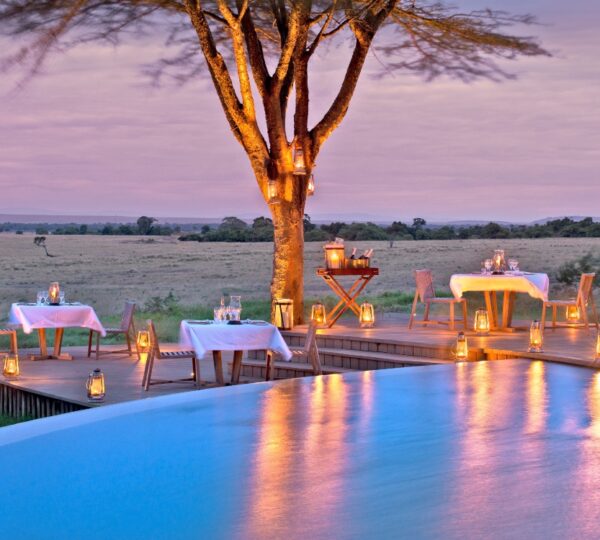
Honeymoon in Maasai Mara
Staying in one of the private conservancies bordering the reserve, rather than inside the reserve itself, is almost always the better honeymoon choice. Camps there are smaller, activities are more flexible, and you get access to bush dinners, sundowners on a hillside, and night drives that the main reserve does not allow.
Laikipia
Laikipia sits north of the Mara on a high plateau and offers a genuinely different atmosphere, quieter, more varied in landscape, and home to species the Mara does not have in the same numbers, including reticulated giraffe, Grevy’s zebra, and significant black and white rhino populations under close protection.
Laikipia conservancies were also early pioneers of horseback safaris and walking safaris, both of which suit couples looking for something more active and personal than a standard game drive. It is a strong choice for a second-time safari couple or for anyone who wants their honeymoon itinerary to feel less predictable than the classic Mara route.
Diani Beach and the South Coast
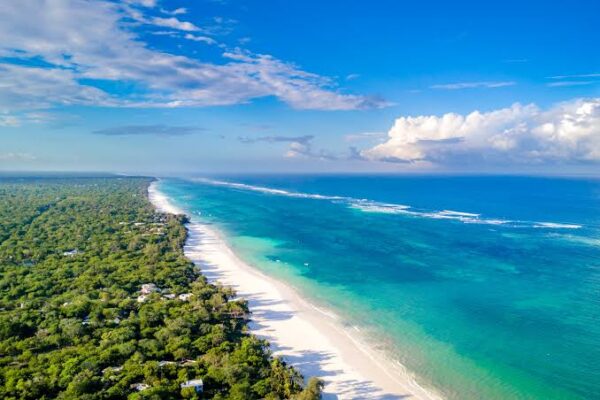
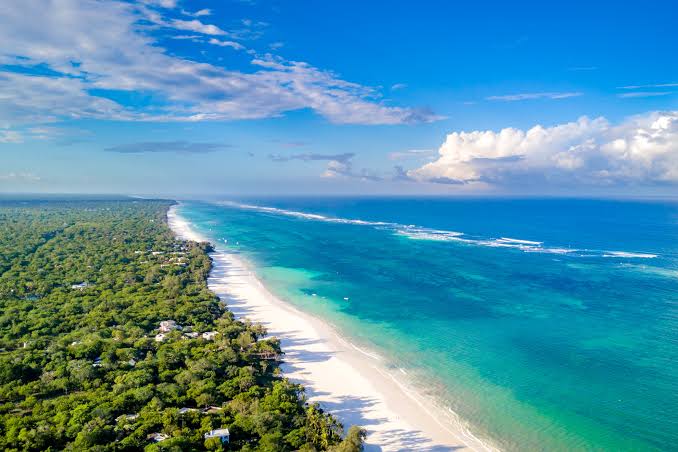
Diani is Kenya’s most developed and most romantic beach destination, with a long stretch of white sand, calm reef-protected water suitable for swimming year round, and a genuine range of accommodation from boutique villas to full-service resorts.
It is the natural pairing with a Mara or Laikipia safari because flights from both connect to the Ukunda airstrip near Diani in around an hour. Couples who want spa culture, water sports, and a lively dining scene alongside their beach time tend to prefer Diani over the quieter options further north.
Watamu and the North Coast
Watamu and nearby Malindi offer a slower, more secluded alternative to Diani, with a marine national park directly offshore that makes for some of the best snorkeling on the Kenyan coast. It suits couples who have already experienced a busier beach destination and now want something quieter, or who plan to combine their trip with Lamu, an Swahili island town well suited to a few days of cultural exploration and architecture rather than pure beach time.
| Region | Best For | Trip Pairing | Typical Stay |
| Masai Mara Conservancies | Iconic wildlife, big cats, privacy | Pairs with any coast region | 3 to 4 nights |
| Laikipia | Rhino, walking and horseback safaris, quiet | Pairs well with Mara for a two region safari | 2 to 3 nights |
| Diani Beach | Lively beach, water sports, dining | Pairs with Mara or Laikipia | 4 to 6 nights |
| Watamu / Lamu | Quiet beach, snorkeling, Swahili culture | Best after Diani or as a slower final stop | 3 to 5 nights |
When to Go: Matching the Calendar to Your Priorities
Kenya does not have a single best month; it has the best month for whatever you are prioritising, and being honest about that priority will settle most of the debate. The country runs on two rainy seasons, the long rains roughly from March to May and the short rains roughly from November to December, with the months outside those windows offering the most reliable dry conditions for both safari and beach.
- July through October is peak dry season in the Mara, and from around late July through September the wildebeest migration typically crosses into the Mara from the Serengeti, bringing dramatic river crossings. This is the most requested honeymoon window and bookings are out furthest in advance.
- January and February offer a secondary dry period with excellent game viewing, thinner crowds than the July to October peak, and generally lower rates, making it a strong choice for couples who want migration season conditions without migration season prices.
- March through May is the long rains season. Some camps close temporarily, roads can be difficult, and coastal weather turns humid with frequent showers. It is the best window for value-conscious couples willing to trade some certainty for significantly lower rates and near-empty camps, though it carries real weather risk.
- November and December bring shorter, more predictable showers that rarely disrupt a full day, and the landscape turns green and photogenic. This shoulder season is underrated for honeymooners who want good value without the deeper compromises of the long rains.
The coast follows a related but not identical pattern, staying warm year-round, with the wettest weeks typically falling in April and May. If your itinerary combines a Mara safari with Diani or Watamu, it is worth checking both regions’ conditions for your travel month rather than assuming they move together, since a dry week inland can still be a wet week on the coast in shoulder months.
Budget: What a Kenya Honeymoon Actually Costs
Budgeting for a Kenya honeymoon is less about a single number and more about which tier of camp and which season you choose, since both move the cost more than almost any other variable. Flights, whether international or the light aircraft transfers between regions, tend to be a smaller share of the total than most first time planners expect, while accommodation drives the bulk of the budget.
| Tier | Per Person, Per Night (Safari) | Per Person, Per Night (Beach) | Best For |
| Comfortable | $350 to $550 | $150 to $280 | Couples prioritizing length of trip over five star extras |
| Premium | $600 to $950 | $300 to $550 | Most honeymooners, private conservancy camps and boutique beach villas |
| Ultra Luxury | $1,000 and above | $600 and above | Couples wanting exclusive use camps, private plunge pools, and top tier service |
For most honeymooning couples, the premium tier delivers the best balance. It is the level at which private conservancy camps, honeymoon suites with outdoor showers, and genuinely personal service become standard rather than an upgrade.
Couples stretching a comfortable budget often do better shortening the trip by a night or two and moving up a tier, rather than keeping every night but staying in busier, less private properties.
Accommodation: Choosing a Style That Matches How You Travel
Kenya’s honeymoon accommodation falls into a few clear categories, and picking the right one matters more than picking the most expensive one. A couple who wants romance through seclusion needs a different property than a couple who wants romance through shared adventure.
- Luxury tented camps: canvas-walled suites with real beds, en suite bathrooms, and private verandas, usually inside conservancies. This is the classic honeymoon safari style, balancing authenticity with comfort.
- Exclusive use villas and camps: an entire property booked privately, sometimes with a dedicated guide and vehicle, ideal for couples who want total privacy and can accommodate the higher cost.
- Star bed experiences: a separate open-air sleeping deck near the main suite, used for one or two nights under the stars, popular in Laikipia and parts of the Mara conservancies.
- Boutique beach villas: smaller, design led properties on the coast with private pools, personal chefs, and none of the scale of a large resort, well suited to the second half of a two region honeymoon.
A detail worth asking about directly when booking: many camps and lodges offer a complimentary honeymoon upgrade, whether that is a bottle of local sparkling wine, a private bush breakfast, or a room upgrade where availability allows. It rarely changes the price but it is worth mentioning at the time of booking rather than assuming it will be offered automatically.
Activities Worth Building Into Your Itinerary
Game drives will fill most of your safari mornings and evenings by default, but the activities that tend to stay in a couple’s memory longest are usually the ones added deliberately rather than left to chance.
- A hot air balloon flight over the Mara at sunrise, typically followed by a champagne breakfast set up in the bush, is the single most requested honeymoon add on in Kenya
- A private bush dinner, set apart from the main camp with its own staff and lighting, is offered by most conservancy camps for an additional fee and is worth the cost for at least one night
- Walking safaris, available in Laikipia and several Mara conservancies, offer a completely different, slower perspective on the bush that vehicles cannot replicate
- On the coast, a traditional dhow sailing trip at sunset and a half-day snorkeling excursion to a nearby reef are the two most consistently recommended additions
- A spa treatment built around local ingredients, offered at most premium coastal properties, is a genuinely restorative way to close out a trip that started with early morning game drives
Planning Advice: Getting the Logistics Right
Trip length is the first decision that shapes everything else. Ten days is the practical minimum for a proper two region honeymoon, allowing four nights of safari and five or six nights on the coast once international flight days are accounted for. Twelve to fourteen days allows a third location, such as adding Laikipia to a Mara and Diani itinerary, without any part of the trip feeling rushed.
Sequencing matters more than most couples expect. Doing the safari first and the beach second tends to work better than the reverse, since safari days involve early starts and a level of alertness that is harder to summon after a week of doing very little. Ending on the beach also gives the trip a natural wind-down rather than an abrupt return to early mornings just before flying home.
Book well ahead if your travel dates fall in July through October or over the December holidays, since the best conservancy camps and honeymoon suites on the coast are often fully booked nine to twelve months out for those windows. Shoulder season and long rains travel can usually be arranged with far less lead time, sometimes within a few months of departure.
A few practical items are worth settling early: most of Kenya’s safari regions are malaria risk areas, so speak with a travel health provider about prophylaxis well before departure. Yellow fever vaccination may be required depending on your routing through other countries, so check current entry requirements for your specific itinerary.
Domestic flights between safari camps and the coast are on light aircraft with strict luggage weight limits, usually around fifteen kilograms including hand luggage, so pack accordingly and check with your operator in advance.
Recommendations by Traveller Type
Since no single itinerary suits every couple, it helps to see how the choices above map onto different honeymoon priorities.
| Traveler Type | Recommended Itinerary |
| Wants the classic, iconic safari experience | Masai Mara conservancy for 4 nights, then Diani Beach for 5 nights, travelling July to October |
| Wants total privacy and can spend more | Exclusive use camp in Laikipia, then a private villa on the north coast near Watamu |
| Budget conscious but still wants two regions | Mara Conservancy and Diani Beach during the November shoulder season or the long rains window |
| First safari, slightly nervous about wildlife | Laikipia first for a gentler introduction with walking safaris, then Mara Conservancy, then coast |
| Wants adventure and activity over pure relaxation | Laikipia with horseback and walking safaris, then Mara for the balloon flight, then Diani for water sports |
Frequently Asked Questions
How many days should a Kenya honeymoon be?
Ten days is a practical minimum for combining safari and beach without feeling rushed. Twelve to fourteen days gives enough room to add a second safari region or extend the coastal stay and is the length most returning honeymooners say they wish they had booked the first time.
Is Kenya safe for a honeymoon?
Kenya’s safari regions and established coastal resort areas are visited by large numbers of international travellers every year and are generally considered safe when arranged through a reputable operator, staying within recommended areas and following standard travel precautions.
As with any international trip, checking current government travel advisories for your home country before departure is sensible practice.
Do we need to be experienced travellers to enjoy a Kenya safari honeymoon?
No. Most couples booking a Kenya honeymoon are on their first safari, and camps are well set up to guide first timers through everything from what to wear to how a game drive works. A good operator will also match your itinerary’s pace to your experience level rather than assuming familiarity.
Should we book the safari or the beach portion first?
Neither needs to be booked independently. Most couples work with an operator who arranges the full itinerary, including domestic flights between regions, as a single connected trip. Booking the safari first in the sequence, then flying to the coast, is the pattern that tends to work best for energy levels, as covered above.
What should our budget realistically include beyond accommodation?
Beyond nightly rates, plan for domestic flights between regions, park and conservancy fees which are often included in camp rates but not always, travel insurance, any add on activities like balloon flights, and tips for guides and camp staff, which are customary in Kenya and usually budgeted separately from the main trip cost.