Ultimate Honeymoon in Kenya
September 21, 2026
6 Must See National Parks in Tanzania for 2026
September 21, 2026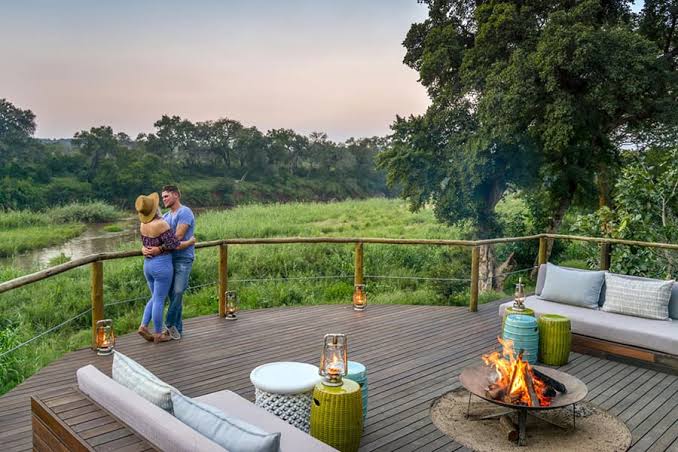
When Is the Best Time to Go on an African Safari Honeymoon
A honeymoon safari has a different set of priorities than a standard wildlife trip, and it is worth saying that plainly before getting into months and seasons. You are not simply chasing the best possible game viewing statistics. You are weighing that against privacy, weather comfort, cost, and whether you want to end the trip barefoot on a beach rather than back in an airport lounge.
Couples who plan around game viewing alone sometimes end up with an itinerary that is wildlife rich but logistically exhausting; three park transfers in eight days is not restful. Getting the timing right means balancing all of these factors together, not optimizing for just one.
We have planned honeymoon itineraries across East Africa for years, and the question we get asked most often, when should we actually go, has a genuinely nuanced answer rather than a single best month.
It depends on whether gorilla trekking is on your list, whether you want a beach extension, how much crowding bothers you, and how flexible your budget is around peak season pricing. This guide walks through that decision properly, month by month and destination by destination, so you can land on dates that suit you specifically rather than a generic recommendation.
Should Timing Really Shape a Honeymoon Safari This Much?
Yes, more than most couples expect going in. Weather affects comfort in ways that matter more on a honeymoon than a standard trip, since you are likely pairing safari days with romantic dinners, sundowners and possibly a beach stretch where rain genuinely ruins the mood in a way it would not on a purely wildlife-focused trip. Season also affects privacy directly.
Peak dry season months bring more vehicles to popular sightings and fuller lodges, which works against the secluded, intimate feel most honeymooners are after.
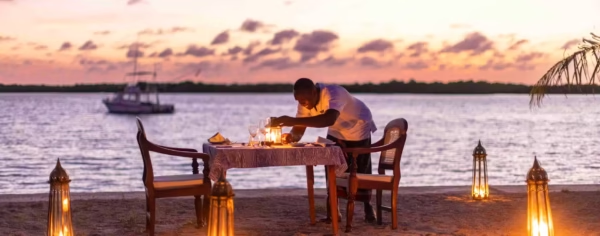
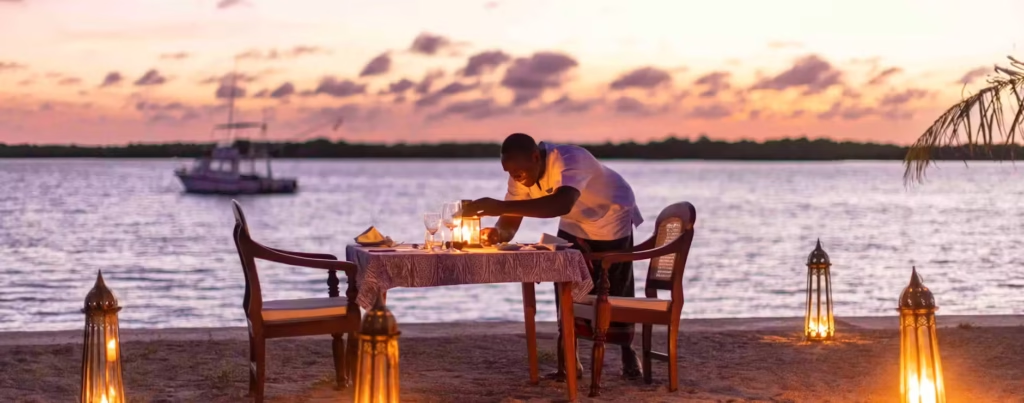
Shoulder season months, by contrast, often mean nearly empty camps, better rates, and staff with more time to arrange the small romantic touches that make a honeymoon memorable: a private dinner under the stars, a bush breakfast set up away from other guests.
Budget is the other major factor timing controls directly. Peak season rates across East Africa’s top camps can run thirty to fifty percent higher than shoulder season pricing for the same room, and for a honeymoon where couples often want to upgrade to a premium suite or a private camp, that percentage difference adds up quickly.
None of this means shoulder season is automatically the right call, since some couples specifically want the July migration crossings regardless of cost or crowds. It means the trade offs deserve honest consideration before booking dates.
Why Timing Matters More for Honeymooners Specifically
Standard safari travellers are usually optimising for one thing, wildlife density, and will tolerate a crowded viewpoint or a rushed morning if it means seeing a kill or a river crossing. Honeymooners are optimizing for an experience, and that shifts the calculus.
A slightly quieter month with warm, intimate camps and fewer vehicles at each sighting often produces a better honeymoon than a peak month with technically superior game viewing but a noticeably busier, more transactional atmosphere.
This is not a universal rule, some couples genuinely want the spectacle of peak migration season and are happy to share the view, but it is worth being honest with yourself about which type of traveller you are before choosing dates.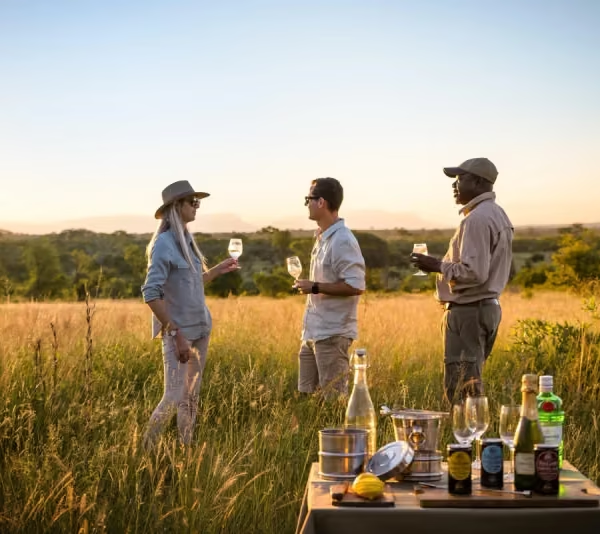
Where to Go: Matching Destination to What You Want
East Africa offers several genuinely different honeymoon safari combinations, and the right one depends on what balance of wildlife, beach, privacy and gorilla trekking appeals to you as a couple.
| Combination | Best For | Trip Length |
| Kenya or Tanzania plus Zanzibar | Classic safari plus white sand beach, widest lodge choice | 10 to 14 days |
| Uganda plus Rwanda | Gorilla trekking, forest lodges, lower crowds, distinctive experience | 8 to 12 days |
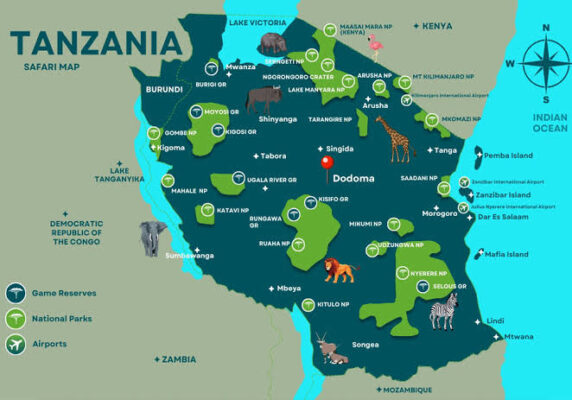
| Tanzania northern circuit only | Couples wanting maximum wildlife density in a shorter trip | 6 to 8 days |
| Uganda plus Zanzibar or Kenya coast | Gorillas plus beach, a less common but highly rewarding pairing | 12 to 15 days |
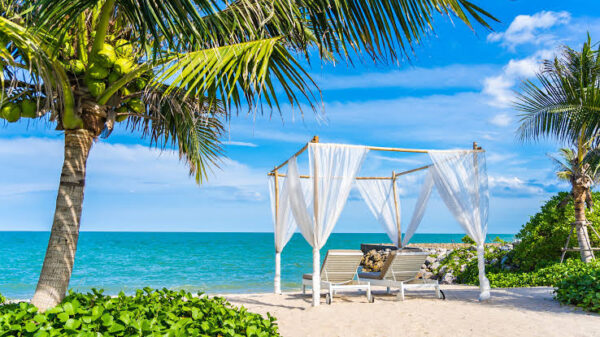
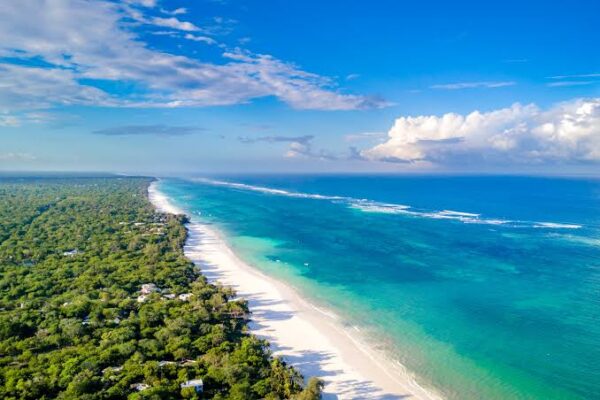
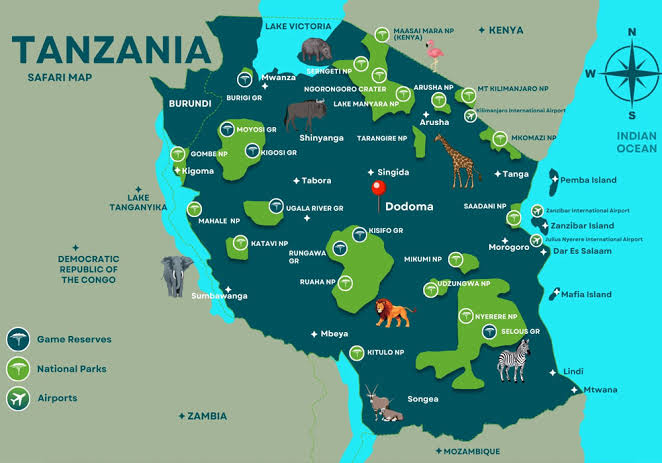
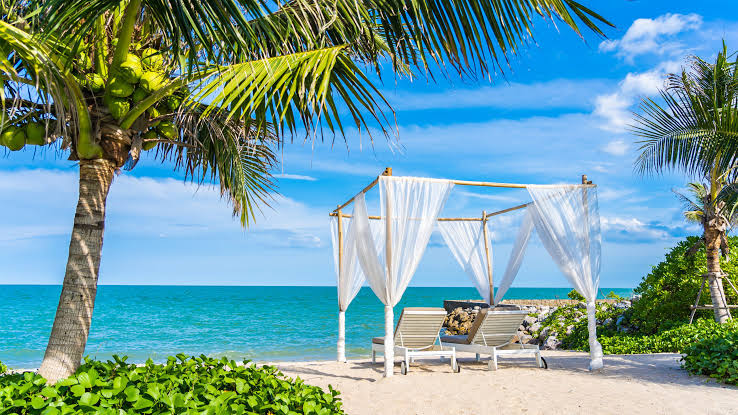
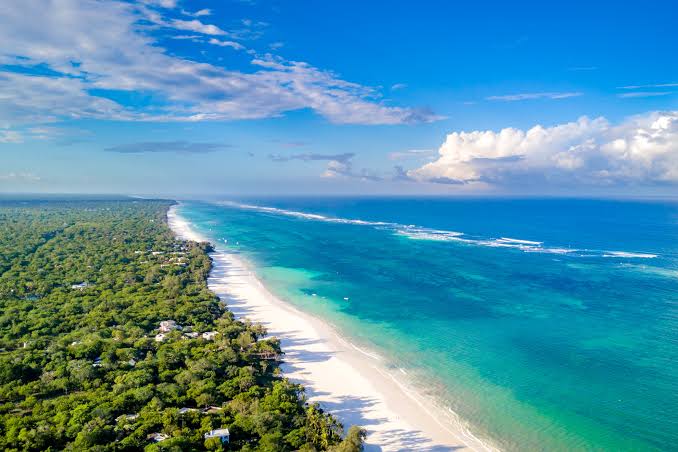
Kenya and Tanzania, paired with a Zanzibar extension, remain the most popular honeymoon combination for good reason. Both countries offer an enormous range of romantic lodge and camp options, from intimate tented camps with private plunge pools to classic colonial style lodges, and Zanzibar’s beaches deliver genuine white sand and turquoise water at the end of the trip, a clean psychological shift from dusty game drives to barefoot relaxation.
Uganda and Rwanda offer something different and increasingly popular with couples who want a less conventional honeymoon, gorilla trekking through misty forest, smaller visitor numbers overall, and a genuinely intimate, less commercialized feel across most lodges in the region.
Month by Month: What to Expect
Rather than naming one best month, it is more useful to understand what each stretch of the year actually offers a honeymooning couple, since the right answer depends on your specific priorities.
January and February
A strong choice for most couples. This is dry, warm and generally excellent across Kenya, Tanzania and Zanzibar, and it coincides with the wildebeest calving season in the southern Serengeti and Ndutu area, a dramatic and less crowded alternative to the famous July crossings.
Gorilla trekking in Uganda and Rwanda is also in one of its two dry windows, making this a strong pick for a combined itinerary.
The main drawback is that late December through February overlaps with Christmas and New Year peak pricing in the first half, so early January still carries some premium rates before shoulder pricing returns.
March, April and May
The long rains fall across most of East Africa in this window, and it is generally the least recommended period for a first safari honeymoon, particularly April and May when rainfall is heaviest.
That said, this is also the quietest and cheapest period of the year, with some camps offering their lowest rates and near total privacy. Couples who do not mind the occasional heavy afternoon downpour and who value low cost and near empty lodges above guaranteed dry weather can find genuine value here, especially in Zanzibar where rates drop substantially, though some beach resorts close entirely during the heaviest rain weeks.
June through October
Peak dry season across the entire region and the most popular window for honeymoon safaris, for good reason. Wildlife viewing is at its strongest, gorilla trekking conditions are ideal with drier forest trails, and July through October adds the Mara River crossings in northern Serengeti and Masai Mara for couples who want that specific spectacle.
The trade off is crowding and cost, this is peak pricing across nearly every camp and lodge in the region, and popular sightings draw more vehicles. Booking six to twelve months ahead is essential in this window, particularly for premium honeymoon suites, which sell out earliest.
November and December
An underrated shoulder season window. The short rains in November tend to fall in brief afternoon showers rather than sustained downpours, the landscape turns green and photogenic, and rates are noticeably lower than peak season through most of November before climbing again for the Christmas holidays.
This period suits couples who want a good balance of decent weather, lower cost and reduced crowds, without the more significant rainfall risk of the March to May window.
Budget: What Timing Does to Honeymoon Safari Costs
Peak season, June through October plus the Christmas and New Year weeks, commands the highest rates across nearly every property in the region, and premium honeymoon suites and private camps book out furthest in advance.
Shoulder seasons, January to mid March and again in November, offer a genuinely good middle ground, solid weather in January and February particularly, meaning lower rates than peak season, and easier availability for the specific romantic room categories couples tend to want.
The low season, April and May, delivers the deepest discounts but carries real weather risk and some lodge closures, which is a reasonable trade for budget conscious couples but not a safe bet for anyone who cannot tolerate a rained out game drive or two.
- Peak season (Jun–Oct, Dec–early Jan): best wildlife and driest weather, highest cost, book 6 to 12 months ahead.
- Shoulder season (Jan–Feb, Nov): strong value, good weather in Jan/Feb, quieter camps, easier honeymoon suite availability.
- Low season (Mar–May): lowest cost and most privacy, meaningful rain risk, some closures, particularly Apr–May.
Accommodation: Choosing a Honeymoon-Suited Camp
Not every lodge is built with honeymooners in mind, and this matters more for timing than couples initially realise, since the most romantic room categories, private plunge pool suites, honeymoon tents set apart from the main camp, are limited in number and sell out first during peak months.
Booking those specific rooms six months or more ahead during June through October is standard practice, while the same room type might be available with just a few weeks notice during shoulder season.
Mobile tented camps in the Serengeti and Masai Mara offer a particularly romantic option during migration season, since they relocate with the herds and tend to be smaller and more intimate than fixed lodges.
In Uganda and Rwanda, forest lodges near Bwindi Impenetrable Forest and Volcanoes National Park lean naturally toward an intimate, secluded atmosphere simply because of how these properties are built into the landscape, smaller guest counts, fireplaces, and a quieter overall pace than the busier northern Tanzania circuit.
Activities Worth Building Around Your Dates
Certain honeymoon-specific activities are only available, or only sensible, in particular seasons, and it is worth checking these against your chosen month before booking. Hot air balloon flights over the Serengeti or Masai Mara, a genuinely popular honeymoon activity, run year-round but are most reliably scheduled during the dry season months.
Gorilla trekking permits, priced at approximately 800 USD per person in Uganda and approximately 1,500 USD per person in Rwanda, rising to approximately 1,800 USD from January 2027, are available year round but trekking conditions are noticeably easier during the two dry windows, December through February and June through September. Prices are subject to change and should be confirmed at time of booking.
Beach based activities in Zanzibar, sailing, snorkelling, sunset dhow cruises, are best avoided during the heaviest rain weeks of April and are far more enjoyable across the June to October and December to February windows.
Planning Advice for Combining Safari and Beach
The order of your itinerary matters more than couples often assume. We generally recommend starting with the safari portion and finishing on the beach, since game drives involve early mornings, dust and a fair amount of physical activity, while a beach stretch works well as a genuine wind down before flying home rather than a jarring switch back into an active pace partway through the trip.
A typical structure might run four to five days on safari, followed by four to six days in Zanzibar or on the Kenyan coast, connected by a short direct flight rather than a long overland transfer.
For couples combining Uganda or Rwanda gorilla trekking with a beach extension, the logistics take more planning since flight connections to Zanzibar or the coast are less direct from Entebbe or Kigali than from Nairobi or Kilimanjaro, often requiring a connection through Nairobi or Dar es Salaam.
This is entirely workable and a combination we arrange regularly, but it is worth building an extra travel day into the itinerary rather than assuming same day connections will be seamless.
Recommendations by Traveller Type
Couples wanting the most famous safari spectacle and comfortable with peak pricing and busier camps should target July through September in the northern Serengeti or Masai Mara, timed around the river crossings.
Couples prioritizing privacy and value over guaranteed peak wildlife should look at January and February, which still deliver excellent dry weather and the calving season without peak season crowding or cost. Budget-conscious couples comfortable with some rain risk should consider November, a genuinely underrated month with short, manageable showers and meaningfully lower rates.
Couples drawn to a more unconventional honeymoon should seriously consider Uganda and Rwanda, ideally during the June to September dry window, for gorilla trekking paired with a beach finish.
Frequently Asked Questions
Is a safari honeymoon expensive compared to a beach only honeymoon?
Generally yes, since safari lodges and camps carry higher nightly rates than standard beach resorts, driven by exclusivity, small guest numbers and the cost of running remote properties.
Combining safari with a beach extension in Zanzibar or on the Kenyan coast is a common way couples balance the cost, since beach nights are typically more affordable than premium safari camp nights.
What is the single best month for a safari honeymoon?
There is no single universal answer, but February stands out for many couples, combining dry, warm weather, the wildebeest calving season in southern Serengeti, good gorilla trekking conditions; and pricing below the June to October peak.
The right month ultimately depends on your specific priorities around cost, crowds and which wildlife experiences matter most to you.
Can we combine gorilla trekking with a beach honeymoon?
Yes, and it is a combination we arrange regularly. Uganda or Rwanda for gorilla trekking pairs well with a Zanzibar or Kenyan coast extension, though it requires slightly more flight planning than a straightforward Kenya or Tanzania plus Zanzibar itinerary.
How far in advance should we book a honeymoon safari?
For peak season travel, June through October or the Christmas and New Year period, book six to twelve months ahead, particularly for premium honeymoon suites and private camps, which sell out earliest. Shoulder and low season trips can often be booked with a few months notice, sometimes less.
Are safari camps genuinely private and romantic, or are we sharing space with other guests?
This varies significantly by camp size and season. Smaller owner-run camps and mobile tented camps tend to offer a more intimate atmosphere than larger lodges, and travelling during shoulder season generally means fewer other guests at any given property and sighting regardless of which camp style you choose.
Bringing It Together
There is no single correct month for a safari honeymoon, only the right month for what you specifically want from the trip. Peak season delivers the most dramatic wildlife spectacles at the highest cost and busiest camps.
Shoulder season, particularly January and February, offers a genuinely strong balance of good weather, lower cost and more privacy. Low season trades some weather certainty for meaningful savings and near-total exclusivity.
Getting this decision right starts with being honest about what matters most to you as a couple, spectacle, privacy, budget or a specific combination of experiences like gorillas and the beach together.
If you are working through these choices and want help matching your dates, budget and priorities to the right combination of parks, lodges and beach time, our team plans honeymoon safaris across Uganda, Rwanda, Kenya, Tanzania and Zanzibar every season, and we are glad to talk through what would genuinely suit your trip, with no pressure to decide on the spot.