
Ultimate Guide to Diani Beach Kenya
September 20, 2026
Where to Go in Zanzibar? Guide for Choosing the Right Beach
This guide walks through Zanzibar’s main coastal areas the way we would talk you through them at a planning meeting: what each place actually feels like on the ground, who it suits, what it does not suit, and how to combine two or three areas into one trip without wasting days on transfers.
None of this is theoretical. It comes from years of building itineraries for guests who fly in after a week of gorilla trekking or a Serengeti safari and want the beach half of their trip to be exactly right the first time.
Should You Base Yourself in One Place, or Move Around?
The honest answer is that it depends on how many nights you have. Zanzibar rewards travelers who accept that no single beach does everything well. Nungwi has the sunset and the energy, Paje has the wind and the kite schools, the east coast villages have the quiet, and Stone Town has the history.
Trying to squeeze all of that into three nights in one hotel leaves you wondering what you missed.
For a stay of four nights or fewer, we generally recommend picking one beach area and staying put, adding a single day trip to Stone Town if culture and history matter to you.
For five nights or more, splitting the stay between two areas, most commonly Stone Town plus one beach area, or a north coast base plus an east coast base, gives a far more complete sense of the island without feeling rushed.
We will come back to specific combinations later in this guide.
Zanzibar’s Coastal Areas at a Glance
Before the detail, here is how the main areas compare on the things that actually decide where you should stay.
| Area | Coast | Known For | Best Suited To |
| Stone Town | West | History, culture, spice tours, restaurants | First and last nights, culture lovers, honeymooners wanting variety |
| Nungwi | North tip | Sunset views, swimmable tide, nightlife | Couples, groups, and first-time visitors wanting an easy base |
| Kendwa | Northwest | Full moon parties, calm water, laid-back beach bars | Younger travelers, budget to midrange groups |
| Paje | Southeast | Kitesurfing, wide sandbars, backpacker to boutique mix | Kitesurfers, active travellers, solo travellers |
| Jambiani | Southeast | Quiet fishing village feel, long low tide flats | Travellers wanting authenticity and lower prices |
| Michamvi / Pingwe | East, near Michamvi tip | Upscale resorts, calmer water, the Rock restaurant | Honeymooners, luxury travelers wanting privacy |
Stone Town: Where Zanzibar’s History Lives
Stone Town is Zanzibar’s old trading capital and a UNESCO World Heritage Site, and it is unlike anywhere else on the island. Narrow alleys, carved wooden doors, Swahili and Omani architecture layered with Indian and European influence, and a working market that has traded spices, seafood and produce for generations.
It is not a beach town. There is a small stretch of sand near the waterfront and a couple of hotel pools, but people do not come here to swim; they come to understand where Zanzibar’s spice trade history and its complicated past actually happened.
A guided walking tour through the old town, a visit to the former slave market site and Anglican cathedral, and a spice farm tour just outside town are the three things we point most guests toward.
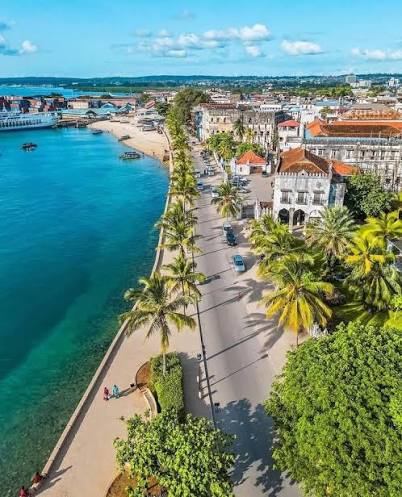
Stone Town
The spice farm tours in particular give real context, since Zanzibar earned the nickname “Spice Island” from centuries of clove, nutmeg, cinnamon and vanilla cultivation, and walking through a working farm explains flavours you will taste in every meal afterward.
Who Stone Town Suits
- Culture and history focused travellers who want context before or after beach time.
- Food travellers, since Stone Town has the island’s best restaurant variety and the famous Forodhani Gardens night food market.
- Anyone flying in or out of Zanzibar’s Abeid Amani Karume International Airport, which sits only about ten minutes from town, making it a logical first or last stop.
What it does not suit is anyone hoping to spend the whole trip in the ocean. Most travellers stay one to two nights in Stone Town, either at the start of the trip to settle in and see the highlights or at the end, closer to departure, so the beach days are not interrupted by a transfer.
Nungwi and Kendwa: The North Coast for Sunsets and Social Energy
Nungwi sits at the very northern tip of the island and is Zanzibar’s most developed beach resort area, with the widest range of hotels, from backpacker guesthouses to five star resorts. Its biggest practical advantage is the tide.
Much of Zanzibar’s east coast experiences dramatic tidal swings where the sea retreats hundreds of meters twice a day, but Nungwi’s position at the tip means the water stays swimmable at most tide stages, which matters enormously if you want to walk out of your room and into the ocean whenever you feel like it.
Nungwi faces west, so it is also where you go for the postcard Zanzibar sunset, with dhow boats silhouetted against the color. In the evening the beach fills with bars, restaurants and a genuine nightlife scene, the liveliest on the island.
Kendwa, a short distance down the coast from Nungwi, has a similar swimmable tide and a more relaxed, slightly less built up feel, and is best known for its monthly full moon beach party, one of the region’s longest-running events of its kind.
Who the North Coast Suits
- First time visitors who want one easy base with dependable swimming, good food and things to do after dark.
- Groups of friends and younger travellers drawn to Kendwa’s social scene and Nungwi’s nightlife.
- Couples who still want some buzz in the evenings, rather than total isolation.
Travellers who want quiet, private beach time should treat this as a trade off. Nungwi in particular can feel busy in high season, with beach vendors and a constant flow of day trippers from other parts of the island. If seclusion matters more to you than nightlife, the East Coast will suit you better.
Paje and Jambiani: The Kitesurfing and Laid-Back Beach Belt
The southeast coast, running roughly from Paje down through Bwejuu to Jambiani, is where wind sport travellers head first. Paje sits in a wind corridor that delivers reliable cross shore conditions for a long stretch of the year, and it has grown into a proper kitesurfing hub with multiple established kite schools, equipment rental and a community of instructors and repeat visitors who return every season. If kitesurfing or windsurfing is on your list, Paje is the correct answer, not a compromise.
Jambiani, a little further south, has a similar wide, pale sand beach and dramatic low tide flats where the water can retreat far enough to walk out to distant sandbars and small fishing boats stranded on the flats.
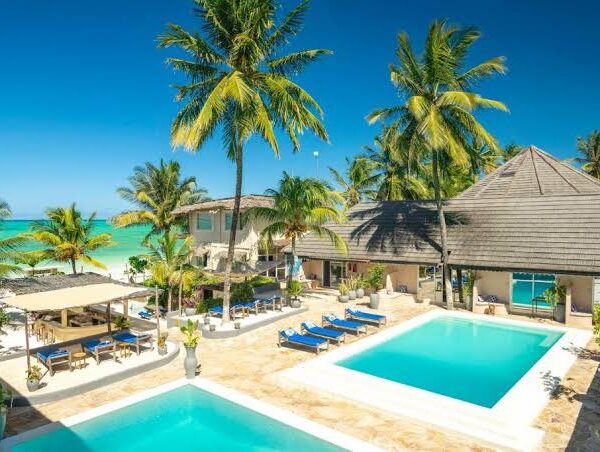
Paje Beach Zanzibar
It has fewer kite schools than Paje and a noticeably quieter, more traditional village atmosphere, with seaweed farming still visible along the shore at low tide.
Both areas sit on the east coast, which means the tide swings are the most dramatic on the island, so swimming windows are tied closely to the tide chart rather than to the time of day you feel like it.
Who Paje and Jambiani Suit
- Kitesurfers and windsurfers, with Paje as the clear first choice for lessons and rental.
- Active, independent travellers and solo travellers who like a laid-back, less polished beach town feel.
- Budget-conscious travellers, since accommodation here spans backpacker lodges through boutique guesthouses at generally lower rates than the North Coast resorts.
The trade off is the tide. Guests who want to swim on demand, at any hour, without checking a chart first, tend to find the East Coast frustrating. We always ask this question directly during planning, because it is the single biggest source of disappointment when it is missed.
Michamvi and the Quiet East Coast Luxury Belt
Continue north from Jambiani past Bwejuu and Pingwe and the coastline curves toward the Michamvi peninsula, home to some of Zanzibar’s most exclusive resorts and the famous Rock restaurant, a small dining room perched on a coral outcrop just offshore that has become one of the most photographed spots on the island.
This stretch benefits from a gentler tide than Paje and Jambiani further south, thanks to its position near the tip of the peninsula, while still offering the calm, uncrowded feel of the east coast.
This is the part of Zanzibar built for privacy. Resorts here tend toward smaller room counts, higher staff to guest ratios and a design language of thatched roofs, infinity pools and ocean-facing villas rather than large hotel blocks. It suits travellers who have already done the sightseeing elsewhere or who simply want several days of doing very little, well.
Who Michamvi Suits
- Honeymooners and anniversary travellers prioritising privacy and romance over nightlife or activities.
- Luxury travellers who want boutique-scale properties rather than large resort complexes.
- Anyone combining Zanzibar with a more active safari leg who wants the beach half of the trip to be pure rest.
How to Combine Multiple Areas in One Trip
The most common and most satisfying combination we build for guests pairs Stone Town with one beach area. A typical structure looks like one to two nights in Stone Town for the old town, spice farms and a good dinner, followed by four to six nights on the coast.
Where you put Stone Town in the itinerary matters less than making sure the transfer between areas happens in daylight, since Zanzibar’s roads are manageable but not lit for comfortable night driving.
| Trip Length | Recommended Structure | Good For |
| 4 nights | Stone Town (1) + one beach area (3) | Short extensions after a safari |
| 6 nights | Stone Town (2) + one beach area (4) | First-time visitors wanting a full picture |
| 8+ nights | Stone Town (1) + Paje or Kendwa (3) + Michamvi (4) | Longer honeymoons, combining activity with quiet luxury |
For travellers who want two beach experiences rather than one plus Stone Town, pairing an east coast stay in Paje or Jambiani with a few final nights on the calmer Michamvi peninsula works well, since the transfer between them is short compared to crossing to the north coast.
We generally advise against trying to fit in Nungwi, an East Coast stay, and Stone Town all in one trip unless you have ten nights or more, since the constant packing and moving starts to erode the relaxation the beach portion is meant to provide.
Practical Planning Advice
Getting Around
Distances on Zanzibar are short in kilometers, but roads can be slow, particularly through Stone Town’s traffic and the unpaved stretches near some east coast villages. Private transfers arranged in advance are the most comfortable option, and most transfers between areas take somewhere between forty-five minutes and two hours depending on the route.
Timing Around the Tide
If a specific East Coast property is on your shortlist, ask for the tide pattern in front of that exact hotel before booking, since it can vary even between neighboring properties depending on reef position. This one question prevents more disappointment than any other piece of advice in this guide.
Dress and Cultural Etiquette
Zanzibar is a predominantly Muslim island, and while beach resorts are relaxed about swimwear on their own grounds, modest dress, covering shoulders and knees, is expected in Stone Town and in villages away from the resort strips. Packing a light cover-up for town visits avoids awkward moments and is simply respectful of local custom.
Recommendations by Traveller Type
| Traveller Type | Best Area | Why |
| Honeymooners | Michamvi or a quieter stretch of Kendwa | Privacy, romantic dining, calmer atmosphere |
| Families | Nungwi | Swimmable tide at most hours, easy access to restaurants and activities |
| Kitesurfers | Paje | Reliable wind, established kite schools and community |
| Budget travelers | Jambiani or inland Paje | Lower nightly rates, authentic village feel |
| Culture focused travellers | Stone Town, extended stay | Spice tours, history, restaurant variety |
| First-time visitors wanting one easy base | Nungwi | Broadest range of hotels, swimming and nightlife in one place |
Frequently Asked Questions
Which part of Zanzibar has the best beaches?
There is no single best beach, since it depends on what you want from it. Nungwi and Kendwa have the most reliably swimmable water. Paje and Jambiani have the widest, most dramatic sand at low tide.
Michamvi offers the calmest, most private setting. We usually ask what you want to spend your days doing before answering this question, because the honest answer changes with the priority.
Is it worth staying in Stone Town, or is it just a day trip?
One night is enough to see the highlights comfortably, but travellers with a genuine interest in history and food often prefer two nights so the visit does not feel rushed between the old town, a spice farm outside town, and an evening at the Forodhani Gardens food stalls.
Does the tide really affect which beach I should choose?
Yes, more than most guides admit. The east coast, including Paje and Jambiani, has tidal swings that can leave the water several hundred meters away at low tide, twice a day. The north coast around Nungwi and Kendwa, and the area around the Michamvi peninsula, keep swimmable water for more of the day. If spontaneous swimming matters to you, this is the deciding factor.
Can I combine Zanzibar with a mainland safari?
Yes, and it is one of the most popular combinations we plan. Zanzibar pairs naturally with a Tanzania safari through the Serengeti or Ngorongoro Crater as a relaxing final leg and also works well as a beach extension after gorilla trekking in Uganda or Rwanda or after a Kenya safari, since flight connections into Zanzibar are well established from all three countries.
How many days do I need in Zanzibar?
Four nights is workable for a focused beach stay with a short Stone Town visit. Six to eight nights allows a proper split between two areas without feeling rushed. Fewer than three nights rarely does the island justice given how much transfer time eats into a short stay.
Bringing It Together
Zanzibar rewards a little upfront thought far more than most beach destinations, because its coastline is genuinely varied rather than uniformly good everywhere.
The right choice comes down to three honest questions: how much nightlife and social energy do you want, how important is being able to swim at any hour, and how many nights do you actually have to work with? Answer those three honestly and the right area, or combination of areas, becomes obvious.