
When Is the Best Time to Go on an African Safari Honeymoon
September 21, 2026
Rwanda Weather
September 21, 2026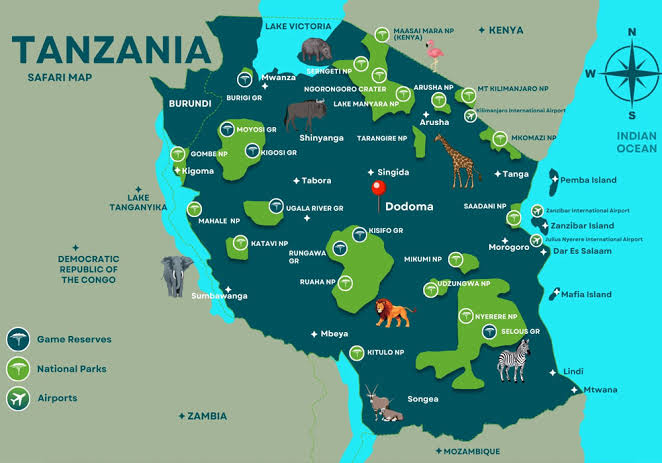
6 Must See National Parks in Tanzania for 2026
Tanzania does not have one great safari destination. It has six, and each one does a different job. That is the detail most first time planners miss when they book a trip built entirely around the Serengeti and wonder afterward why the itinerary felt one dimensional.
A well built Tanzania safari reads more like a set of chapters than a single stop: open grassland drama in one park, a volcanic crater packed with density in another, elephant herds moving through baobab country in a third, and a river system that turns into a wildlife magnet once the dry season sets in.
Understanding what each park actually offers, and who it suits, is the difference between a trip that feels complete and one that feels like you saw a fraction of what was possible.
We have built itineraries across all six of these parks for guests with very different budgets, time frames and priorities, from couples with five days to spare to families planning a three week circuit that ends on a Zanzibar beach.
This guide walks through each park on its own merits, tells you honestly when to go and who it fits, and shows how they combine into a route that actually makes sense on the ground rather than just on a map.
Should You Visit More Than One Park?
Yes, in almost every case, and the reasoning is practical rather than aspirational. Tanzania’s parks sit close enough together in the northern circuit that combining three or four of them costs you a few hours of driving or a short scheduled flight, not days of travel.
A single park visit, even somewhere as celebrated as the Serengeti, gives you one type of landscape and one set of wildlife behaviour patterns. Pair it with Ngorongoro Crater and Tarangire, and you get open plains, a dense volcanic caldera, and elephant dominated river woodland within the same week.
The variation matters more than most travellers expect before they arrive, because repetitive scenery is the most common quiet disappointment we hear about after multi day drives in a single ecosystem.
The exception is a very short trip, four days or fewer, where trying to cover too much ground eats into actual game viewing time. In that case we generally recommend picking two parks that complement each other rather than three that spread you thin. A Serengeti and Ngorongoro pairing, for example, covers both the plains and the crater in a compact loop without excessive road time.
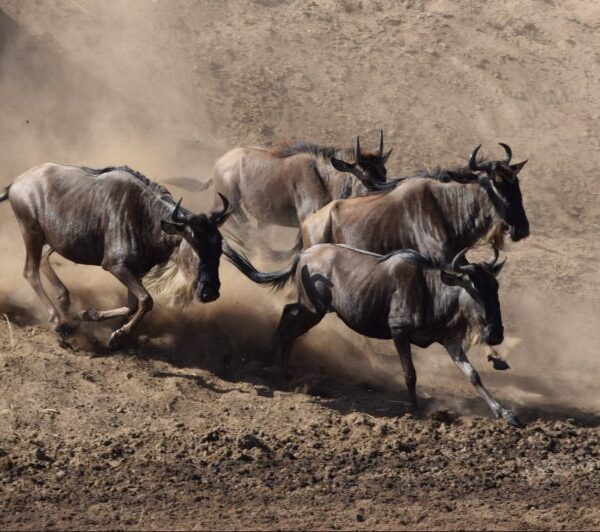
Wildebeest Migration
Why Tanzania’s Parks Reward a Multi Park Itinerary
Tanzania’s northern circuit parks sit inside one connected ecosystem, which is part of why combining them works so naturally. The Serengeti, Ngorongoro Conservation Area, and the seasonal wildebeest migration routes are ecologically linked, so wildlife genuinely moves between zones depending on rainfall and grass growth.
This is different from stitching together unrelated destinations for variety’s sake. The southern circuit, built around Ruaha and Nyerere, operates as its own separate system, drier, quieter, and far less visited, which appeals to a different kind of traveller altogether. Knowing which circuit fits your interests and time budget is the first real decision to make before looking at specific parks.
The Six Parks, One by One
1. Serengeti National Park
The Serengeti is Tanzania’s flagship park for a reason that goes beyond marketing. It covers close to 15,000 square kilometres of open savannah, kopjes and riverine woodland, and it hosts the resident predator populations, lion, cheetah and leopard, in numbers few other parks can match.
What sets it apart is scale: the horizon rarely has a hard edge, and that openness is exactly what makes big cat sightings and predator interactions so visible compared with denser bush environments.
The park is also home to the wildebeest migration for a large part of the year, though where the herds are depends entirely on the month, since the migration is a continuous clockwise movement rather than a single event.
Southern Serengeti and the neighbouring Ndutu area host the calving season from roughly late January through March, when hundreds of thousands of wildebeest give birth within a few concentrated weeks, drawing predators in close.
The western corridor sees the herds pass through around May and June, and the northern Serengeti near the Mara River becomes the focus from around July through October, when the dramatic river crossings happen.
Best for: first time safari travellers, migration chasers, photographers wanting predator action, anyone who wants the single most recognisable safari landscape in Africa.
Entry fee: approximately 82.60 USD per person per day for non resident adults. Prices are subject to change and should be confirmed at time of booking.
2. Ngorongoro Conservation Area and Crater
Ngorongoro is not a national park in the strict sense, it is a conservation area that permits Maasai pastoralist communities to graze cattle alongside protected wildlife, which makes it culturally distinct from the other five parks on this list. The main draw is the crater floor itself, a collapsed volcanic caldera roughly 20 kilometres across that traps an extraordinarily dense wildlife population within its walls year round.
Because animals rarely leave the crater floor, sightings are consistent regardless of season, which is unusual in African safari terms and a genuine planning advantage for travellers on a tight schedule.
The trade off is crowding. Because the crater guarantees sightings, it draws a high volume of vehicles onto a relatively small floor area, and mid morning can feel congested around popular sightings such as resting lion prides. Arriving at first light, before the bulk of vehicles descend from the rim lodges, remains the most reliable way to experience the crater with some sense of space.
Best for: travellers who want guaranteed density in a short visit, black rhino sightings, a single unforgettable day rather than an extended stay.
Entry fee: approximately 82.60 USD per person per day, plus a separate crater descent fee charged per vehicle. Prices are subject to change and should be confirmed at time of booking.
3. Tarangire National Park
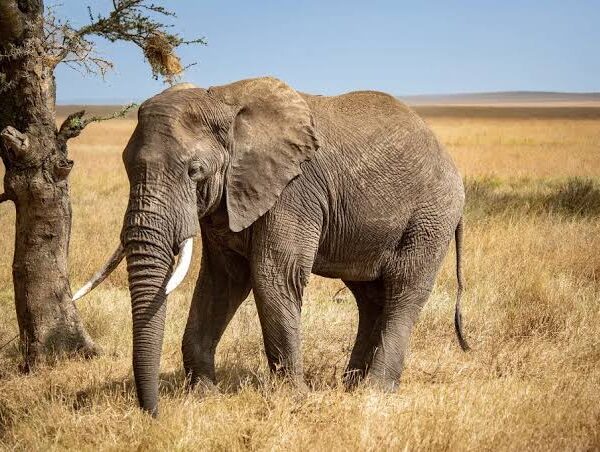
Tarangire is built around the Tarangire River and its associated swamps, and that single geographic fact explains almost everything about how the park behaves. During the dry season, roughly June through October, the river becomes one of the only permanent water sources for miles, and elephant herds gather here in some of the largest concentrations found anywhere in Tanzania, often numbering in the hundreds across a single day of driving.
The park’s iconic baobab trees, scattered across golden grassland, give it a visual identity distinct from the flatter Serengeti plains.
Outside the dry season, particularly December through April, much of the wildlife disperses into the surrounding wet season dispersal areas, and the park is quieter and greener but less densely populated with game. This makes Tarangire a strongly seasonal recommendation rather than a year round guarantee, and we are upfront with guests about that trade off rather than overselling a rainy season visit.
Best for: elephant enthusiasts, travellers wanting a lower cost add on near Arusha, birders during the wet season, anyone extending a short northern circuit trip by a day or two.
Entry fee: approximately 59 USD per person per day. Prices are subject to change and should be confirmed at time of booking.
4. Lake Manyara National Park
Lake Manyara is small, compact enough to cover in half a day, and often used as a gentle introduction to Tanzania’s parks on the drive between Arusha and the Serengeti. The park sits beneath the Great Rift Valley escarpment, and the alkaline lake at its centre attracts large flocks of flamingos in the right conditions, along with a genuinely impressive bird list exceeding 400 species.
Manyara is also known, somewhat unreliably, for tree climbing lions, a local behavioural quirk not fully understood by researchers and not guaranteed on any given visit.
Because the park is narrow and forested along much of its length, wildlife density feels lower than in the open plains parks, and game drives here reward patience and a good guide over sheer volume of sightings. We generally position Manyara as a scenic, relaxed half day stop rather than the centrepiece of a safari itinerary, and set that expectation clearly before guests arrive.
Best for: a relaxed stopover en route to the Serengeti, birdwatchers, travellers who want variety without adding an extra overnight stay.
Entry fee: approximately 59 USD per person per day. Prices are subject to change and should be confirmed at time of booking.
5. Ruaha National Park
Ruaha is Tanzania’s largest national park, covering close to 20,000 square kilometres, and it sits firmly on the southern circuit, which means considerably fewer vehicles per sighting than anything in the north.
The Great Ruaha River anchors the park’s dry season wildlife activity, and Ruaha holds one of the largest elephant populations of any East African park along with strong lion and African wild dog numbers, the latter a species that has become rare across much of the continent.
Access is the main practical consideration. Reaching Ruaha typically means a scheduled light aircraft flight from Dar es Salaam or Arusha rather than a road transfer, which adds cost and travel time compared with the northern parks.
For travellers who have already done a Serengeti and Ngorongoro trip, or who specifically want a wilder, far less crowded experience, that extra effort pays off clearly in the quality of sightings and the near total absence of other vehicles.
Best for: repeat visitors to Tanzania, travellers prioritising exclusivity over convenience, serious wildlife photographers, wild dog enthusiasts.
Entry fee: approximately 35.40 USD per person per day. Prices are subject to change and should be confirmed at time of booking.
6. Nyerere National Park (formerly part of Selous Game Reserve)
Nyerere is Africa’s largest national park by a significant margin, carved out of the former Selous Game Reserve and gazetted as a national park in 2019. It is built around the Rufiji River and its network of lakes and channels, which allows for something the northern parks cannot offer, boat safaris alongside traditional game drives and walking safaris.
Dry season months from June through October concentrate wildlife tightly around the river system, producing strong sightings of elephant, hippo, crocodile and predators in a genuinely remote setting.
Like Ruaha, Nyerere sits on the southern circuit and is reached by light aircraft rather than road, which keeps visitor numbers low. The wet season, roughly November through May, brings lush scenery and excellent birdlife but noticeably thinner wildlife concentrations, and several camps close entirely during the heaviest rains in April and May, a detail worth checking before booking dates that far out.
Best for: travellers wanting boat safaris and walking safaris in addition to game drives, honeymooners seeking privacy, anyone building a southern circuit trip alongside Ruaha or a Zanzibar beach extension.
Entry fee: approximately 59 USD per person per day. Prices are subject to change and should be confirmed at time of booking.
Comparing the Six Parks at a Glance
| Park | Best Season | Standout Feature | Best For |
| Serengeti | Jan–Mar calving, Jul–Oct crossings | Migration and predator density | First timers, migration chasers |
| Ngorongoro Crater | Year round | Guaranteed wildlife density, rhino | Short trips, guaranteed sightings |
| Tarangire | Jun–Oct dry season | Elephant herds, baobabs | Elephant lovers, short add on trips |
| Lake Manyara | Jun–Oct, wet season for birding | Birdlife, tree climbing lions | Relaxed stopover, birders |
| Ruaha | Jun–Oct dry season | Wild dogs, size, low crowds | Repeat visitors, photographers |
| Nyerere | Jun–Oct dry season | Boat safaris, walking safaris | Privacy seekers, honeymooners |
When to Go: Matching Season to Park
Tanzania’s dry season, roughly June through October, is the strongest general purpose window across all six parks, since thinning vegetation and concentrated water sources make wildlife far easier to find. Within that window, July through October adds the Mara River crossings in northern Serengeti, which is the single most sought after wildlife spectacle in the country and books out lodges a year or more in advance.
The short rains period, November and December, is undersold in our view. Rain tends to fall in brief afternoon showers rather than all day downpours, the landscape turns a vivid green, newborn animals are common, and prices drop noticeably compared with peak dry season. The long rains, April and May, are genuinely the hardest months for game viewing and the period when many camps in the southern circuit close, so we rarely recommend booking a first safari in that window unless budget is the deciding factor.
The calving season in the southern Serengeti and Ndutu area, late January through March, deserves its own mention because it draws a different kind of traveller than the July crossings. It is quieter, extremely predator dense as newborn wildebeest attract lion and cheetah activity, and better suited to travellers who prioritise predator behaviour over the visual scale of a river crossing.
Budget: What a Tanzania Multi Park Safari Costs
Costs vary enormously depending on accommodation style, season and how many parks you combine, but a realistic range helps set expectations before detailed planning begins. A mid range lodge based safari covering three parks over seven days typically runs from around 3,500 to 6,000 USD per person, including park fees, accommodation, meals, game drives and ground transport, though flights between circuits add to that figure.
Luxury camps, particularly mobile tented camps that follow the migration, push well beyond that range, while budget camping safaris using shared vehicles and public campsites can bring per person costs down significantly, though comfort and flexibility drop accordingly.
Southern circuit parks such as Ruaha and Nyerere generally cost more per day than their northern counterparts once you factor in the light aircraft transfers required to reach them, even though the park entry fees themselves are lower. This is a detail worth budgeting for honestly rather than discovering midway through planning.
Accommodation Styles Across the Parks
Each park supports a different mix of accommodation, and matching your style to the park matters as much as matching the season. Permanent lodges dominate around Ngorongoro’s crater rim and inside Tarangire and Manyara, offering consistent comfort and infrastructure.
The Serengeti supports everything from fixed luxury lodges to seasonal mobile tented camps that relocate with the migration, the latter being the better choice for travellers specifically chasing river crossings since camp location shifts with the herds. Ruaha and Nyerere lean toward smaller owner run camps with a more intimate, bush oriented feel, reflecting the lower visitor volumes on the southern circuit.
• Luxury lodge stays: best for travellers wanting consistent comfort, spa facilities and predictable service, particularly around Ngorongoro.
• Mobile tented camps: best for migration focused trips where camp location needs to shift with the herds.
• Owner run bush camps: best for Ruaha and Nyerere, where a more personal, low volume experience suits the remote setting.
• Budget lodges and public campsites: best for travellers prioritizing cost over exclusivity, most available in the northern circuit.
Activities Beyond the Game Drive
Game drives remain the core activity in every one of these six parks, but the southern circuit and Ngorongoro area open up options the classic Serengeti safari cannot match. Nyerere’s Rufiji River supports boat safaris and walking safaris, both restricted to a few select parks in Tanzania because of terrain and wildlife density concerns elsewhere.
Game drive in Tanzania
Ngorongoro’s surrounding highlands allow guided walks and visits to Maasai communities, adding cultural context that a pure wildlife itinerary sometimes lacks. Hot air balloon flights over the Serengeti plains, typically at dawn, give a genuinely different perspective on the migration and are worth the added cost for travellers who can fit an early departure into their schedule.
Planning Advice: Building a Route That Works
The order you visit these parks in matters more than most itineraries acknowledge. A common and effective northern circuit route starts in Tarangire, moves to Lake Manyara for a short stopover, continues to Ngorongoro for the crater, and finishes in the Serengeti, timed to the migration’s location for that month. This sequence works because it builds from smaller, denser parks toward the open scale of the Serengeti, rather than starting big and feeling anticlimactic afterward.
Combining northern and southern circuit parks in one trip is possible but requires a longer overall itinerary, generally ten days or more, because the light aircraft connections between circuits add travel time that cannot be compressed. We advise against squeezing both circuits into a week long trip, since the resulting schedule spends more time in transit than in the parks themselves.
• Five to seven days: focus on the northern circuit, three or four parks, no internal flights needed.
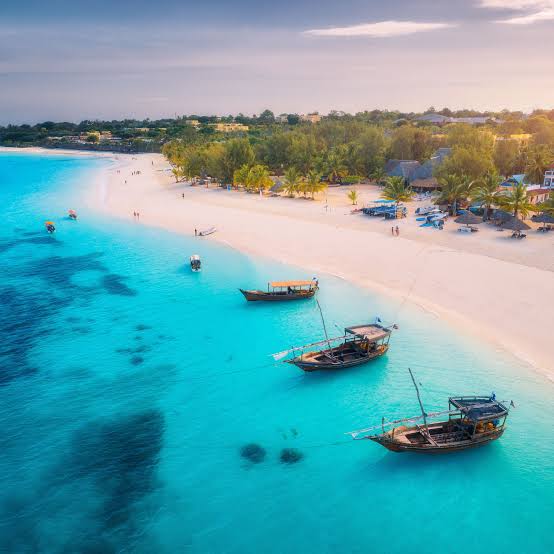
• Eight to twelve days: northern circuit plus a Zanzibar beach extension, or northern circuit plus one southern park.
• Fourteen days or more: full northern and southern circuit combination for travellers wanting genuine breadth.
Recommendations by Traveller Type
First time safari travellers on a standard length trip do best with Serengeti, Ngorongoro and Tarangire, a combination that delivers scale, guaranteed density and elephant herds without excessive road time. Photographers and repeat visitors gain more from adding Ruaha or Nyerere, where lower vehicle density produces cleaner, less crowded sightings.
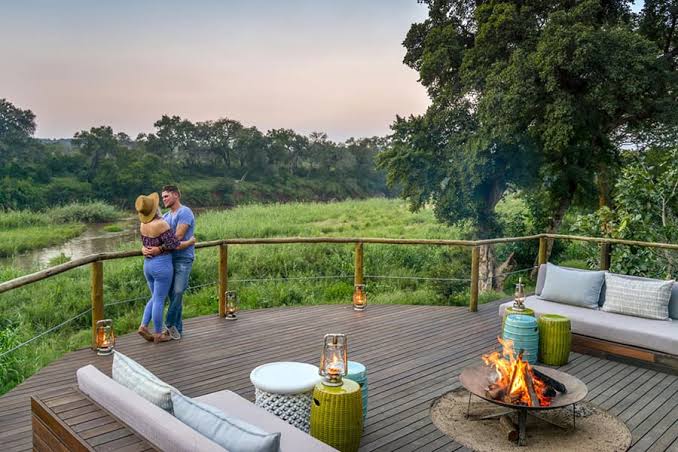
Families with children benefit from Ngorongoro’s compact crater and Tarangire’s shorter drive times, both of which reduce the long hours in a vehicle that can wear on younger travellers. Honeymooners and couples wanting privacy are usually better served by the southern circuit or a well timed Serengeti mobile camp stay away from peak crossing crowds.
Frequently Asked Questions
How many days do I need to see all six parks?
Realistically, fourteen days or more, given the travel time between the northern and southern circuits. Most travellers choose either the northern four parks over seven to nine days, or add one southern park to a northern circuit trip over ten to twelve days.
Which park has the best wildlife density?
Ngorongoro Crater offers the most consistent density year round because animals rarely leave the crater floor. The Serengeti offers greater overall scale and predator variety but density shifts with the migration’s location.
Is Tanzania safe to visit for a first time safari?
Tanzania’s national parks are well established for tourism with experienced guides, marked routes and long operating histories. As with any international trip, standard travel precautions apply, and travelling with an experienced local team reduces the practical uncertainties around logistics and timing.
Can I combine these parks with a Zanzibar beach stay?
Yes, and it is one of the most popular combinations we arrange. Both the northern and southern circuits connect to Zanzibar by short scheduled flights, making a safari plus beach itinerary straightforward to build.
Do I need a visa to visit Tanzania’s national parks?
Most nationalities require a visa for Tanzania, available on arrival or in advance depending on nationality. Requirements change periodically, so confirm current entry rules with official sources before travel.