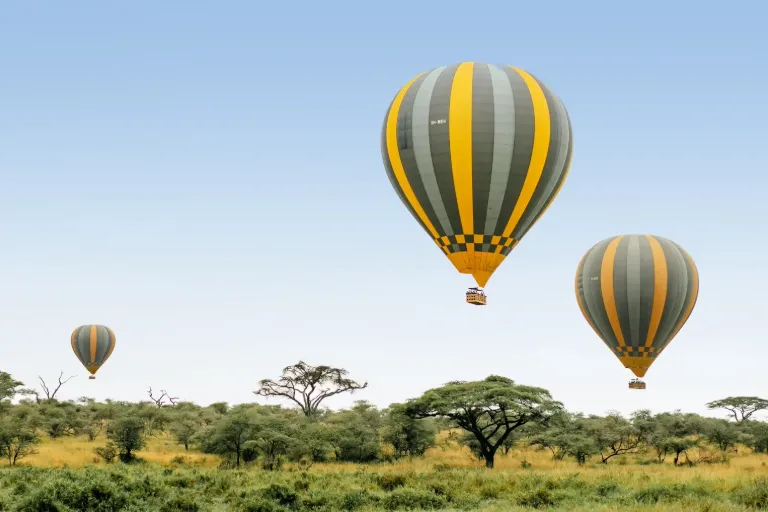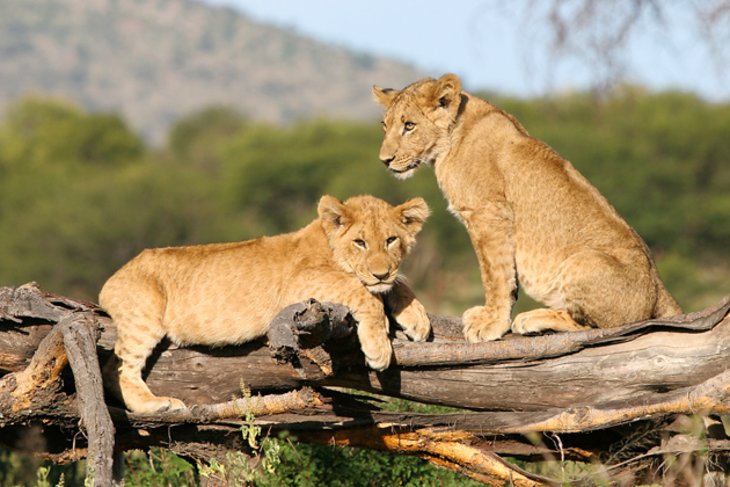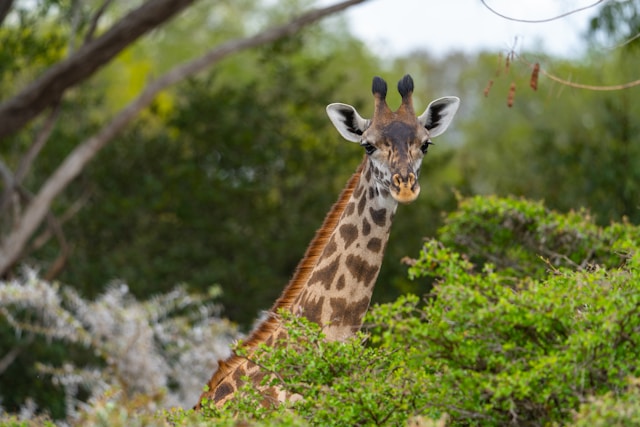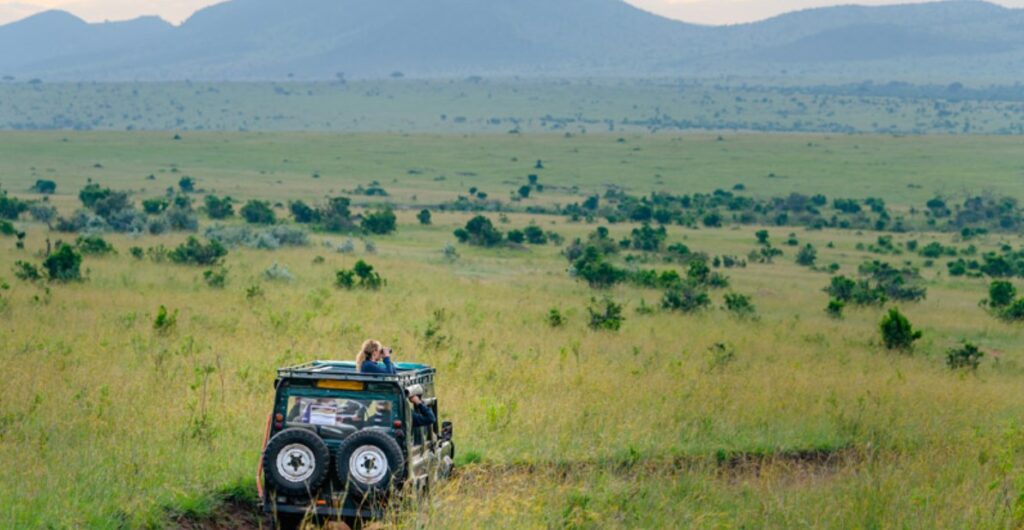
Tips for a Tanzania Safari with Kids
October 16, 2026
Best Destinations to See Lions in East Africa
October 16, 2026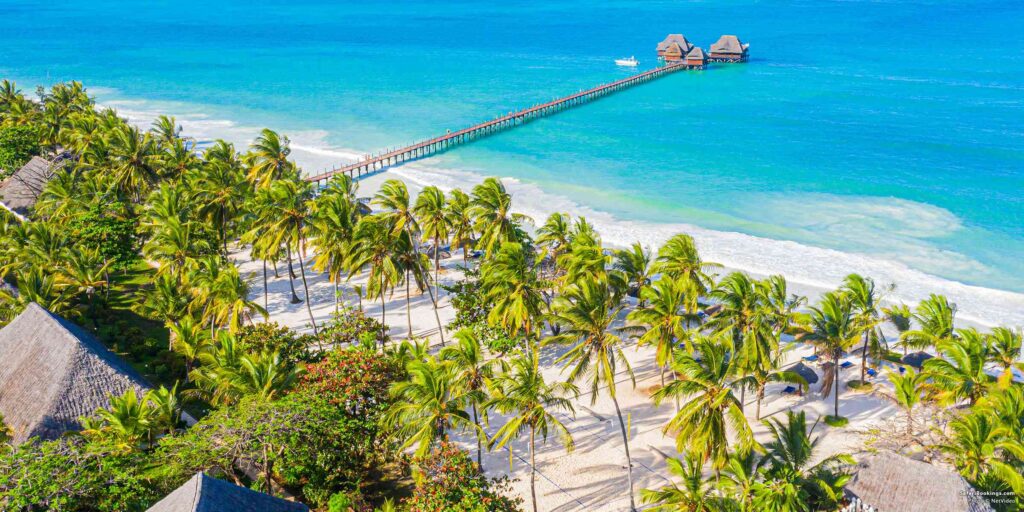
Top 10 Places to Visit in Tanzania
Tanzania holds more protected land than almost any country in Africa. Roughly a third of its territory is set aside as national parks, game reserves and conservation areas, and within that space sit the Serengeti plains, the Ngorongoro Crater, Africa’s highest mountain, the spice islands of Zanzibar and remote chimpanzee forests on the shores of Lake Tanganyika.
For a first-time visitor, that abundance creates a real problem: there is simply too much to see in one trip.
Most travelers have between one and three weeks. Trying to cover every highlight leads to long drives, rushed stays and a holiday that feels like a transfer schedule. The better approach is to understand what each destination does best, who it suits, and how places connect, then choose a combination that fits your interests, budget and season.
This guide covers the ten places we recommend most often after years of planning Tanzania safaris. For each one, you will find what makes it worth visiting, the best time to go, who it suits and how it fits into a wider itinerary.
How to Use This List
Tanzania divides naturally into regions, and that division shapes every itinerary.
| Region | Destinations | Character | Access |
| Northern Circuit | Serengeti, Ngorongoro, Tarangire, Lake Manyara, Arusha | Classic safari, high wildlife density, most visited | Kilimanjaro International Airport, Arusha |
| Southern Circuit | Nyerere, Ruaha | Wild, fewer vehicles, walking and boating | Flights from Dar es Salaam or Arusha |
| Western Circuit | Mahale, Katavi, Gombe | Remote, chimpanzees, expensive to reach | Charter or scheduled flights |
| Coast and Islands | Zanzibar, Mafia, Pemba | Beaches, diving, Swahili culture | Flights from safari parks or Dar es Salaam |
| Mountain | Kilimanjaro | Trekking, summit climbs | Kilimanjaro International Airport |
1. Serengeti National Park
The Serengeti is the reason many people choose Tanzania. Covering about 14,750 square kilometers, it is the heart of an ecosystem that supports the Great Migration, when well over a million wildebeest, accompanied by hundreds of thousands of zebras and gazelles, move in a continuous circuit following the rains.
Why Visit
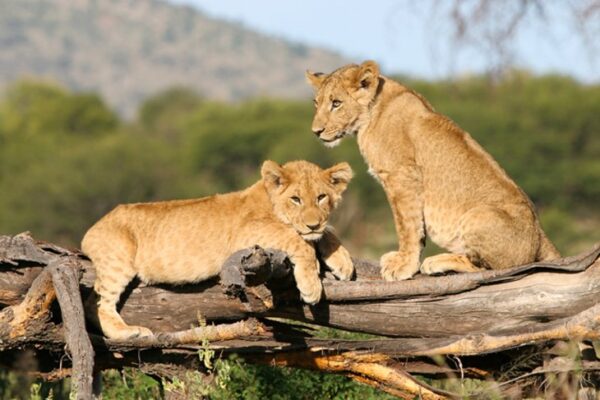
Beyond the migration, the Serengeti has one of the highest concentrations of large predators in Africa. Lions pride rest on granite kopjes, cheetahs hunt across the short grass plains, and leopards are frequently seen in the sausage trees and acacias along the Seronera River. Even outside migration season, the resident wildlife is exceptional.
Best Time to Visit
The park is excellent year round, but the experience shifts by region. December to March brings calving season to the southern plains around Ndutu. June and early July often see herds in the Western Corridor near the Grumeti River. July to October is the time for Mara River crossings in the northern Serengeti. Central Seronera offers strong predator viewing in every month.
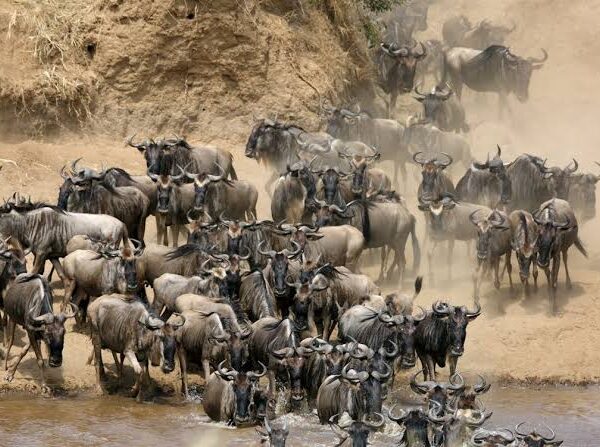
Wildebeest migration in Serengeti
2. Ngorongoro Crater
The Ngorongoro Crater is the largest intact, unflooded volcanic caldera in the world, roughly 19 kilometers across, with walls rising around 600 meters from the floor. It sits within the Ngorongoro Conservation Area, a UNESCO World Heritage Site where Maasai pastoralists live alongside wildlife.
Why Visit
The crater floor holds an extraordinary density of animals in a small area. In one morning it is possible to see a lion, a spotted hyena, an elephant, a buffalo, a hippo, a flamingo, and, with luck, a black rhino. Because the wildlife is resident, sightings are reliable in any month.
Things to Know
Crater visits are limited to a set time on the floor, and a vehicle service fee applies on top of conservation fees. Most visitors descend early, around opening time, to enjoy the quieter hours before midday traffic builds. Accommodation on the crater rim offers views across the caldera, while lodges in the Karatu highlands provide better value with a slightly longer drive.
3. Tarangire National Park
Tarangire is often underestimated because it sits between Arusha and the more famous parks. That is a mistake. During the dry season it holds some of the largest elephant concentrations in northern Tanzania, and its landscape of ancient baobab trees and the winding Tarangire River is visually unlike anywhere else on the circuit.
Why Visit
Between June and October, animals from the wider ecosystem converge on the river, the only reliable water source. Elephant herds, buffalo, zebra, wildebeest, giraffe, lion and leopard concentrate in impressive numbers. The park is also a strong birding destination with more than 500 species recorded.
4. Zanzibar
Zanzibar is an archipelago off the Tanzanian coast, and its main island, Unguja, is the most popular beach extension to a safari in East Africa. White sand, turquoise water and a distinct Swahili culture shaped by centuries of Arab, Persian, Indian and European trade make it far more than a beach stop.
Why Visit
Stone Town, the historic heart of Zanzibar City, is a UNESCO World Heritage Site of narrow alleys, carved doors, mosques, churches and markets. Outside town, spice farms, the Jozani Forest with its endemic red colobus monkeys, and coral reefs for snorkeling and diving round out the island experience.
Best Time to Visit
June to October and December to February are the driest periods. The long rains in April and May bring heavy showers and some hotel closures.
5. Mount Kilimanjaro
At 5,895 meters, Kilimanjaro is the highest mountain in Africa and the tallest free-standing mountain in the world. Unlike many high peaks, it can be climbed without technical mountaineering skills, which makes it one of the most popular trekking objectives on earth.
Why Visit
The climb passes through five distinct ecological zones, from cultivated farmland and rainforest through heath and moorland to alpine desert and finally the arctic summit zone. Standing at Uhuru Peak at sunrise is an achievement many travelers describe as life-changing.
Choosing a Route
| Route | Typical Duration | Difficulty | Best For |
| Machame | 6 to 7 days | Challenging | Scenic variety, good acclimatization |
| Lemosho | 7 to 8 days | Moderate to challenging | Highest success rates, quieter start |
| Marangu | 5 to 6 days | Moderate | Hut accommodation, popular with older climbers |
| Rongai | 6 to 7 days | Moderate | Drier northern approach, fewer crowds |
6. Ruaha National Park
Ruaha is one of the largest national parks in Tanzania and one of the wildest. It lies in the center of the country, far from the busy northern circuit, and sees only a fraction of the visitors.
Why Visit
Ruaha is known for big predator populations, including large lion prides, leopards, cheetah and African wild dogs. It sits where East and Southern African species overlap, so greater and lesser kudu, sable and roan antelope can be seen alongside more familiar animals. The landscape of rocky hills, baobabs and the Great Ruaha River is dramatic, particularly in the dry season.
7. Nyerere National Park
Formerly the northern section of the Selous Game Reserve, Nyerere National Park was established in 2019 and is now the largest national park in Africa at around 30,000 square kilometers. The Rufiji River and its network of lakes and channels define the landscape.
Why Visit
Nyerere offers activities that northern parks rarely allow. Boat safaris on the Rufiji bring close encounters with hippos, crocodiles, elephants drinking at the water’s edge and abundant birdlife. Walking safaris with armed rangers and fly camping add a sense of adventure. The park is also one of the best places in East Africa to see African wild dogs.
8. Lake Manyara National Park
Lake Manyara is a compact park at the base of the Great Rift Valley escarpment. Groundwater forests, open floodplains and a shallow alkaline lake create varied habitats within a short drive.
Why Visit
The park is known for its tree-climbing lions, although sightings are not guaranteed. Large troops of olive baboons, elephants in the forest, hippos in the pools and seasonal flamingos on the lake make for an engaging half day or full day. The treetop walkway offers a different perspective on the forest canopy.
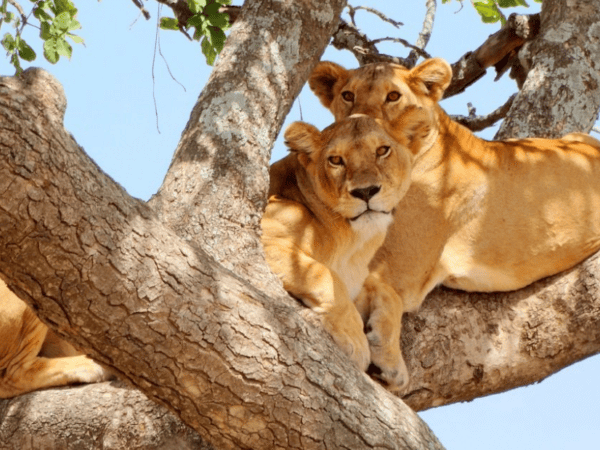
lions in the lake Manyara national park
9. Mahale Mountains National Park
Mahale is one of the most remote and rewarding destinations in Tanzania. Forested mountains rise directly from the clear water of Lake Tanganyika, and the park is home to around 1,000 wild chimpanzees, including habituated communities that researchers have studied for decades.
Why Visit
Chimpanzee trekking in Mahale is an intimate experience. Groups are small, the forest is quiet and the lakeshore setting is unlike any other primate destination in Africa. Days often end with a swim in the lake or a dhow trip at sunset.
Things to Know
Access is mainly by light aircraft followed by a boat transfer, and the cost is high. Most camps close during the long rains, usually from around mid-March to May. The best chimpanzee viewing tends to be in the later dry season, August to October, when the chimpanzees often move lower down the slopes.
Best Suited For
Primate enthusiasts and travellers looking for a remote, exclusive experience. Mahale combines well with Katavi National Park on a western circuit safari.
10. Arusha National Park
Arusha National Park is small and often overlooked, but it offers variety within an hour of Arusha town. The park includes Mount Meru, the Momella Lakes and the Ngurdoto Crater.
Why Visit
Walking safaris, canoeing on the Momella Lakes and black and white colobus monkeys in the forest give a very different feel from the open plains of the Serengeti. On clear mornings, Kilimanjaro appears on the horizon. Mount Meru, at 4,566 meters, is also an excellent acclimatization climb before Kilimanjaro.
Comparing the Top 10 Destinations
| Destination | Main Highlight | Ideal Stay | Best Months | Crowd Level |
| Serengeti | Migration and predators | 3 to 4 nights | Year-round, varies by area | Moderate to high |
| Ngorongoro Crater | Wildlife density, rhino | 1 to 2 nights | Year round | High |
| Tarangire | Elephants, baobabs | 2 nights | June to October | Moderate |
| Zanzibar | Beaches, Stone Town | 4 to 6 nights | June to October, December to February | Moderate |
| Kilimanjaro | Summit trek | 6 to 8 days | January to March, June to October | Moderate |
| Ruaha | Predators, wilderness | 3 to 4 nights | June to October | Low |
| Nyerere | Boat and walking safaris | 3 nights | June to October | Low |
| Lake Manyara | Forest, birds | Half to full day | Year round | Moderate |
| Mahale | Chimpanzees | 3 to 4 nights | July to October | Very low |
| Arusha NP | Walking, canoeing | 1 day | Year round | Low |
Budget Considerations
The northern circuit offers the widest range of accommodation, from budget camping to luxury lodges, and it can be reached largely by road, which keeps costs manageable. The southern and western parks depend heavily on light aircraft, and fewer camps mean higher average prices.
| Trip Style | Approximate Cost Per Person Per Day | Notes |
| Budget northern circuit | US$200 to US$350 | Camping or simple lodges, shared or private vehicle |
| Mid range northern circuit | US$400 to US$700 | Comfortable lodges and tented camps |
| Southern circuit fly in | US$700 to US$1,200 | Includes flights and full board camps |
| Western circuit (Mahale, Katavi) | US$1,200+ | Remote, limited camps, charter costs |