How to Get to Nairobi National Park
October 15, 2026
Top 10 Places to Visit in Tanzania
October 16, 2026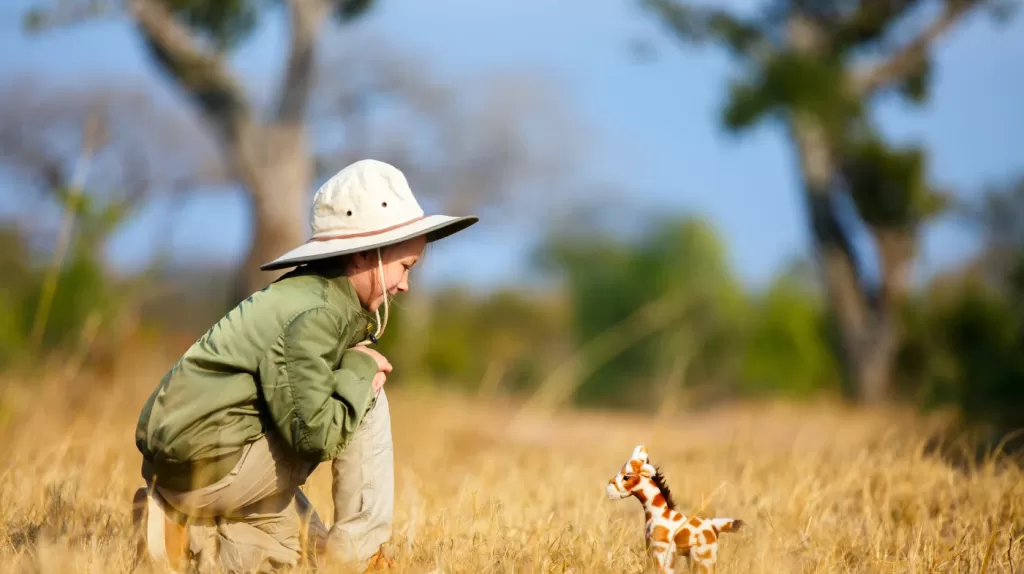
Tips for a Tanzania Safari with Kids
Children see a safari differently from adults. They notice the dung beetle rolling its ball across the track, count the stripes on a zebra foal and ask questions guides have not heard in years. Taken with the right planning, a Tanzania safari with kids becomes the family holiday that everyone still talks about a decade later.
Taken without that planning, it can become a long, hot week of tired children and frustrated parents. The difference rarely comes down to the destination itself. It comes from small decisions: how long each drive lasts, where you stay, how the days are paced and whether the children have something to do between sightings.
This guide brings together the practical tips we share with families before every Tanzania trip. It covers age considerations, choosing parks and lodges, health preparation, packing, daily routines and the small details that make a big difference once you are on the ground.
Is a Tanzania Safari Right for Your Children?
Before deciding where to go, it helps to think honestly about how your children travel. A child who handles long car journeys, adapts to new food and enjoys nature will likely thrive. A child who struggles with routine changes may need a slower itinerary and more downtime.
Age Is the Starting Point
| Age Group | What Works | What to Avoid |
| Under 3 | Short drives, family lodges with gardens, beach time | Remote camps, long road transfers, malaria risk areas without careful advice |
| 3 to 6 | Morning drives of 2 to 3 hours, pool breaks, private vehicle | Full day drives, camps with strict age limits |
| 7 to 12 | Full northern circuit, junior ranger activities, cultural visits | Over packed itineraries with daily location changes |
| 13 to 17 | Walking safaris where permitted, migration focused trips, Kilimanjaro day hikes | Treating them like younger children; give them responsibilities such as photography |
Most families find that ages seven to twelve offer the best balance of curiosity, stamina and memory. Teenagers often gain the most from the experience if given a role, such as keeping the sightings list or managing a camera.
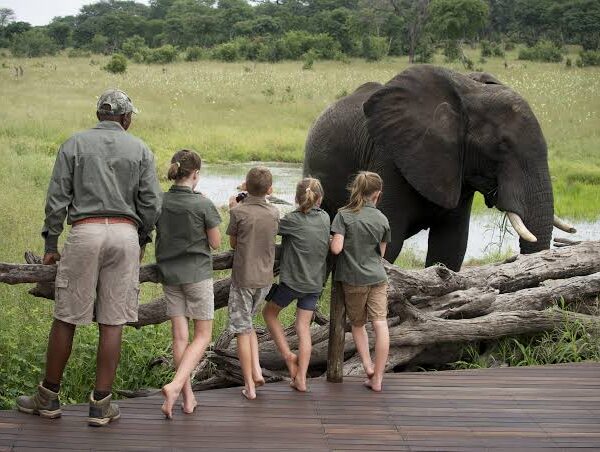
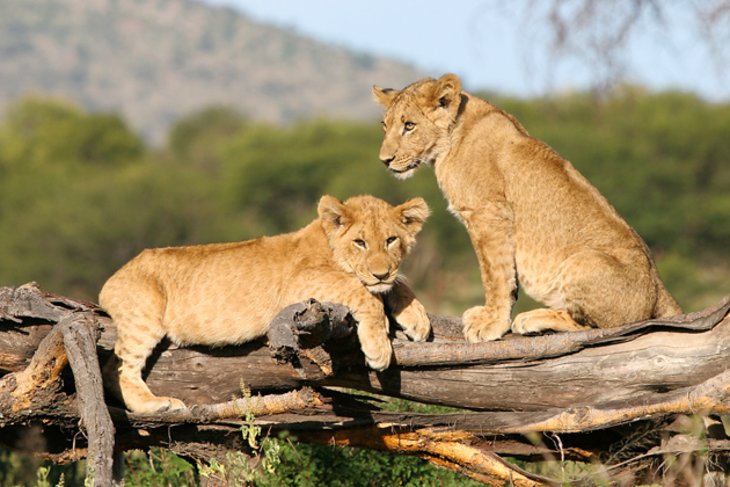
Family safaris in Tanzania
Understand Minimum Age Rules
Several activities and camps in Tanzania have age restrictions. Walking safaris are commonly limited to children aged 12 or older, and often 16 for longer walks. Some smaller camps do not accept children under six or eight, either because they are unfenced or to protect the experience of other guests.
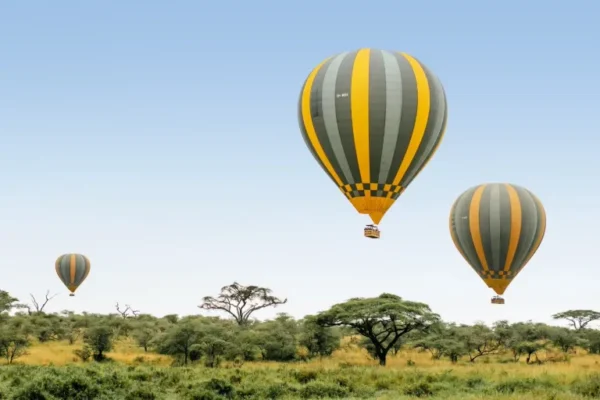
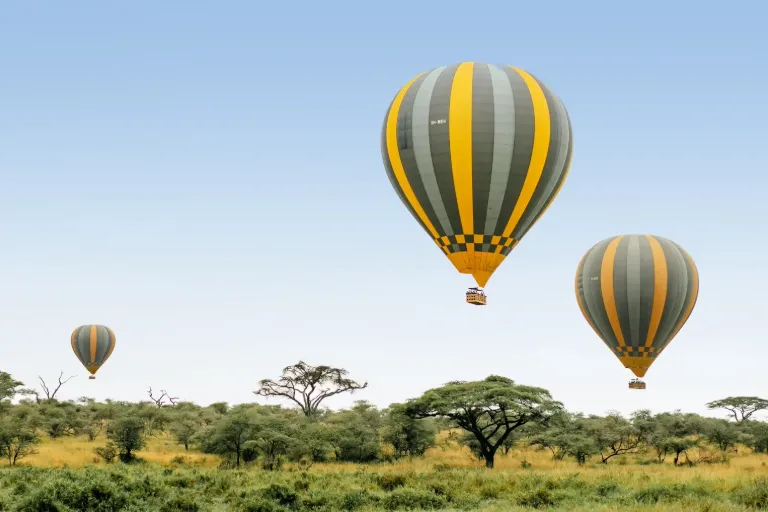
Hot air balloon safaris in the Serengeti usually require children to be at least seven. Kilimanjaro climbs require climbers to be at least ten. Check these rules before booking rather than discovering them on arrival.
Choose Parks That Reward Short Attention Spans
Not every park suits young children equally. The best parks for a Tanzania family safari offer frequent sightings, manageable distances and lodges that welcome children.
Recommended Parks for Families
- Tarangire National Park: Big elephant herds in the dry season, two to three hours from Arusha, and plenty of lodges with pools.
- Ngorongoro Crater: Dense, reliable wildlife in a small area, so children see a lot without long searches.
- Lake Manyara National Park: Baboons, elephants and birds in a compact setting, ideal for a half day visit.
- Serengeti National Park: The most exciting park, but distances are large. Choose a camp close to the action for the season.
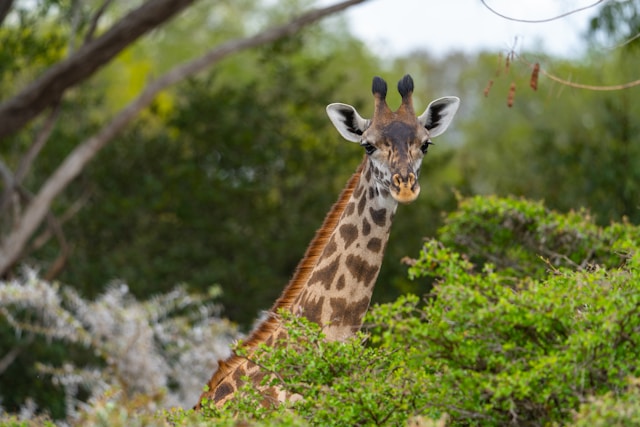
- Arusha National Park: Giraffes, colobus monkeys and canoeing on the Momella Lakes, useful on arrival or departure days.
Plan the Arrival Carefully
The first 48 hours shape the mood of a family safari. Most international flights land at Kilimanjaro International Airport in the evening or late at night, and children who have been travelling for fifteen hours or more need sleep before anything else.
Rest Before the First Game Drive
Book a night, or ideally two, at a garden lodge or coffee farm around Arusha before heading into the parks. Many of these properties have lawns, pools and space for children to run, which helps them reset after the flight. Arusha National Park makes an easy half day outing on the second day if the children are full of energy, with giraffes and colobus monkeys close to the road and no long drive involved.
Watch for Jet Lag Patterns
Families from Europe face only one to three hours of time difference, which is barely noticeable. Families from North America or Asia face a much larger shift, and children often wake very early for the first few days. On safari, that is not always a problem, since game drives start early anyway, but it does mean children tire by midafternoon. Plan the first afternoons as rest periods rather than drives.
Turn Every Drive Into a Learning Experience
Children stay engaged when they feel involved rather than transported. Small rituals make a big difference.
- Give each child a job, such as spotter of the day, keeper of the sightings list or navigator with a park map.
- Start a Big Five tally and a Little Five challenge: elephant shrew, buffalo weaver, leopard tortoise, ant lion and rhinoceros beetle are often more fun to find than the large animals.
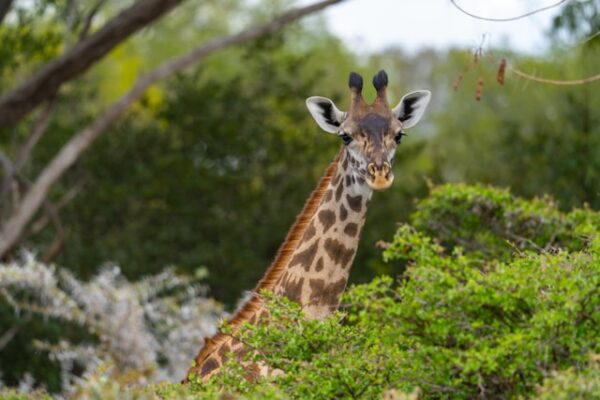
- Learn simple Swahili words such as jambo (hello), asante (thank you), simba (lion), tembo (elephant) and twiga (giraffe). Guides and lodge staff love responding to children who try.
- Keep an evening journal where children draw one animal and write one fact each day. It becomes a treasured souvenir.
- Ask the guide to explain tracks and dung, which children find endlessly fascinating.
These activities fill quiet periods between sightings and turn a holiday into a shared project that parents and children enjoy together.
Pace the Itinerary Around the Children
The most common mistake parents make is planning a safari the way they would for themselves. Adults may happily spend nine hours in a vehicle; children rarely do.
A Sensible Daily Rhythm
| Time | Activity | Why It Works |
| 6:30 to 7:00 | Breakfast at camp | Children eat better before leaving |
| 7:00 to 10:30 | Morning game drive | Cooler temperatures, active animals |
| 10:30 to 15:30 | Lunch, pool, rest, camp activities | Avoids the hottest, least active hours |
| 15:30 to 18:30 | Afternoon game drive | Golden light, predators waking up |
| 19:00 | Early dinner | Tired children sleep well |
Full day drives with a packed lunch can work for older children, especially in the Serengeti when following the migration, but keep them occasional rather than routine.
Book a Private Vehicle
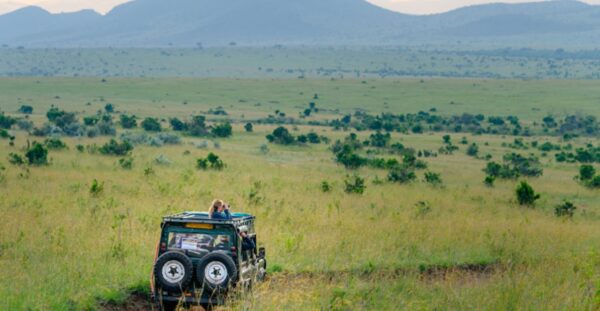
For families, a private safari vehicle is not a luxury; it is the single most useful choice you can make. It allows you to:
- Return to camp early if a child is tired or unwell
- Stop for toilet breaks without inconveniencing strangers
- Linger at sightings that fascinate your children, even if adults would move on
- Leave later or earlier to suit naps
- Keep snacks, toys and changes of clothes within easy reach
Shared group tours are cheaper, but other guests rarely appreciate frequent stops or a restless toddler. A private vehicle removes that tension entirely.
Choose the Right Guide
Ask your safari company for a guide with family experience. A good family guide adapts explanations to a child’s level, involves them in spotting and makes every sighting a small lesson. Some guides carry animal tracks books, skulls or feathers to show children during quieter moments.
Choose Lodges That Want Children There
There is a difference between lodges that accept children and lodges that welcome them. The second kind makes a family safari far easier.
Features Worth Prioritizing
- Family rooms, family tents or interconnecting units
- A swimming pool for the midday break
- Fenced grounds or clear safety procedures in unfenced camps
- Flexible dining, including early meals and simple dishes
- Children’s activities such as nature walks around camp, bow and arrow sessions with Maasai staff or junior ranger programs
- Babysitting for parents who want a quiet dinner
Location Versus Facilities
Lodges outside the parks, such as those around Karatu near Ngorongoro, often have larger grounds, pools and family suites at lower prices. Camps inside the Serengeti place you closer to wildlife but may have fewer facilities and stricter safety rules. Many families combine both: comfortable highland lodges for part of the trip and a tented camp experience for two or three nights.
Prepare for Health and Safety
Health planning is where parents worry most, and good preparation removes most of that worry.
Malaria Prevention
Tanzania is a malaria area, including the safari parks at lower altitudes and Zanzibar. Speak to a travel clinic six to eight weeks before departure. Several antimalarial medications are available in pediatric doses, and the doctor will recommend the right option for each child’s age and weight. Combine medication with long sleeves in the evening, and use insect repellent suitable for children and sleeping under the nets provided by lodges.
Vaccinations
Routine childhood vaccinations should be up to date. Your doctor may recommend hepatitis A and typhoid. A yellow fever certificate is required only if arriving from or transiting through a country with yellow fever risk, and that includes longer airport layovers in some countries. Requirements change, so check before travel.
Sun and Hydration
The equatorial sun is strong even when it feels cool on the crater rim. Pack wide brimmed hats, high factor sunscreen and refillable water bottles. Safari vehicles carry water, but children often forget to drink unless reminded.
Safety on Safari
Children must stay seated in the vehicle and never extend arms out of the windows near animals. In unfenced camps, staff escort guests to and from rooms after dark. Explain these rules before the trip so children understand they are part of the adventure, not a restriction.
Pack Smart for Children
Clothing
Neutral colours such as khaki, olive and beige suit game drives best. Pack layers, because early mornings on the Ngorongoro rim can be cold while afternoons in Tarangire are hot. Include a warm fleece, a light rain jacket and comfortable closed shoes.
Keeping Them Engaged
- A pair of binoculars for each child, not shared with adults
- A wildlife checklist or spotting book to tick off animals
- A simple camera so they take their own photos
- A journal and coloured pencils for drawing what they see
- Downloaded audiobooks and games for transfers, used sparingly
Health and Comfort Kit
Bring children’s paracetamol or ibuprofen, rehydration sachets, antihistamines, plasters, motion sickness remedies and any regular medication. Wet wipes and hand sanitizer are invaluable on dusty drives.
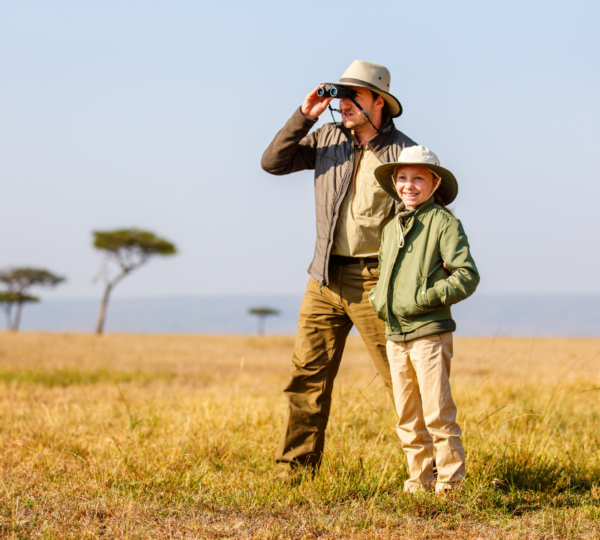
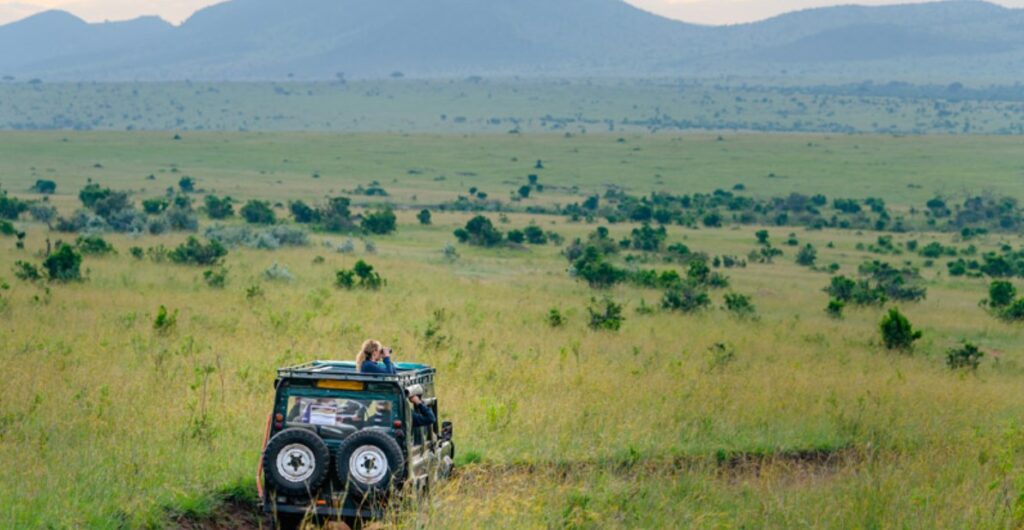
Tanzania Safari with Kids
Budget Wisely
A family safari is a significant investment, but there are ways to manage it without losing quality.
| Strategy | Saving | Trade Off |
| Travel in shoulder season (November, early March, June) | Lower lodge rates | Some rain, possible school clashes |
| Use child reductions | Many lodges offer reduced or free rates for young children sharing | Rules vary widely |
| Stay outside park boundaries | Lower accommodation costs | Longer morning drives |
| Combine driving and flying | Moderate cost, less fatigue | Still some long drive days |
| Choose fewer parks | Lower fees and transfers | Less variety |