Maasai Mara National Reserve Gates
October 30, 2026
Birding in Amboseli National Park
November 14, 2026
Aberdares National Park Fees
Aberdares National Park Fees; Aberdare National Park is the part of Kenya that surprises first-time visitors. Instead of an open savannah, it offers a mountain range: moorland above 3,500 meters, dense bamboo and forest, waterfalls, cold streams and trout. It sits about 150 kilometers north of Nairobi in Nyeri and Nyandarua counties, and it is best known for the tree lodges where you watch elephants, buffalo and forest hogs from a balcony over a waterhole.
Fees matter here because they differ by visitor category, because the way you pay has changed and because some lodges include park entry while others do not. This guide sets out the entry fees for 2026, the camping, vehicle and activity charges; how to pay; what to expect from the park; where to stay; how to get there; and when to go.
Is Aberdare Worth Visiting?
It is, if you want something different from a standard savannah safari. Aberdare suits travellers who like mountain scenery, forest wildlife, waterfalls and the experience of a tree lodge, and it works as a night or two between Nairobi and Samburu, Ol Pejeta or the Mara. A single night at a tree lodge is the standard visit, and it is a good introduction for families.
It is a weaker choice if you want large predator numbers or wide open game drives. Wildlife in the forest is harder to see, and the best viewing is from the lodges’ waterhole decks. Weather can be cold and misty, so go with the right expectations.
Entry Fees
Fees depend on who you are. For non-residents, the entry fee is US$70 per adult and US$40 per child per day. East African citizens pay KES 800 for adults and KES 500 for children, Kenya residents pay KES 1,100 for adults and KES 675 for children, and other African citizens pay US$40 for adults and US$20 for children. Fees apply per person per 24 hours, so if you stay overnight, you pay for each day you are in the park.
Several sources quote different non-resident figures, including US$52 and US$35 for adults, which appear to reflect older tariffs or particular activities. The KWS site lists US$70 and US$40, and a 2026 guide says these took effect in October 2025 under the revised tariff. Treat US$70 as the working figure and confirm before you pay.
| Visitor Category | Adult | Child |
| East African citizen | KES 800 | KES 500 |
| Kenya resident | KES 1,100 | KES 675 |
| Other African citizens | US$40 | US$20 |
| Non-resident | US$70 | US$40 |
Camping, Vehicle and Activity Charges
Camping fees are separate from entry. Public campsites cost non-residents US$20 per adult and US$15 per child, special campsites cost US$35 and US$20, and East African citizens and residents pay lower rates in Kenyan shillings. Vehicle fees are charged per day according to seating capacity, with older tariffs showing about US$70 for vehicles up to six seats and about US$110 for minibuses, though you should confirm the current rates.
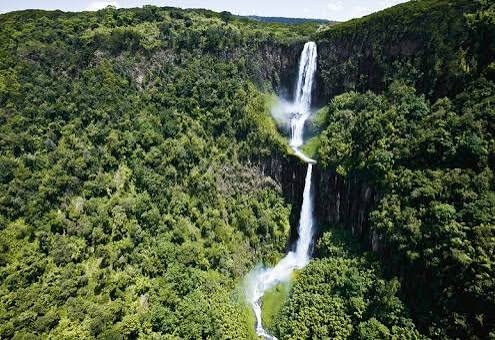
Aberdares National Park
Special activities are charged on top. Night game drives cost non-residents US$50, animal tracking US$20, sport fishing US$50, and participation in wildlife conservation and management experiences US$200. A drone permit costs US$500, and vehicle recovery inside the park is KES 10,500. Horse riding with KWS horses has been listed at about KES 2,585 in older tariffs. Contact KWS for the activities you want, since availability and rules vary.
How to Pay
Payment is cashless and handled through the Kenya Wildlife Service eCitizen platform, often referred to as KWSpay. You create an account, select Kenya Wildlife Service and then the park, enter the number of adults and children, and pay by M-Pesa, Airtel Money or a card. You receive a confirmation, and the transaction is mirrored in the KWS system so that the gate wardens can verify it on arrival.
On the day of your visit, bring your ticket or confirmation on your phone. If you are booking through a tour operator, they will usually pay for you, so check what is included. If you are self-driving, pay in advance, since gate staff may not be able to take payment on the spot.
What the Tree Lodges Include
Two historic tree lodges, The Ark and Treetops, are the park’s best-known places to stay. Their packages typically include park entry and, in the case of The Ark, a transfer from Aberdare Country Club, so you may not pay the park fee separately. One guide gives approximate rates of US$200 to US$280 per person per night full board at The Ark and US$150 to US$220 at Treetops, including park entry.
Treetops is famous as the place where Princess Elizabeth learned that she had become queen in 1952. Both lodges are built on stilts above waterholes and salt licks, and guests watch from lounges, balconies and sometimes bunkers at ground level through the night. Elephants, buffalo, giant forest hogs, waterbuck, bushbuck and hyenas are regular visitors, and leopards and black rhinos are occasional.
What to See and Do
The Aberdare range rises from about 2,000 metres to over 4,000 metres, with a mix of forest, bamboo, moorland and deep ravines. Wildlife includes elephants, buffalo, giant forest hogs, bongo, black leopards and a range of smaller mammals and birds, and the park is known for trout streams and waterfalls such as Chania and Gura Falls.
Activities include game drives on forest tracks, short guided walks to waterfalls and viewpoints, trout fishing, camping, birding and, for the adventurous, hiking in the moorlands. Night game drives and animal tracking are special activities available through KWS. Most visitors spend a night at a tree lodge, add a morning drive and continue to their next stop.
Where to Stay
Inside the park, the options include The Ark and Treetops tree lodges, as well as privately owned lodges such as Rhino Retreat and Cedar Retreat. KWS also manages public campsites such as Reedbuck in the moorlands and Ruhuruini, special campsites, and fishing lodges at Satima and Karuru, which suit anglers and groups.
Outside the park, Aberdare Country Club near Mweiga offers a comfortable base and is the departure point for The Ark transfers. Nyeri, Naro Moru and the Nyahururu road have a range of mid-range and budget options. If you are travelling with a limited budget, camping or a day trip from Nyeri is the cheapest way to see the park.
Getting There
Aberdare lies roughly 150 kilometers north of Nairobi, a drive of about 3.5 hours via Thika, Nyeri or Naivasha, depending on the route and traffic. Roads are tarmac to the park gates, and then the forest tracks require a 4×4, especially in the rains. Tree lodge guests are usually collected from Aberdare Country Club in a park vehicle and taken to the lodge because private vehicles are restricted on the final section.
You can combine Aberdare with Lake Nakuru, Naivasha, the Mara or Samburu national reserve in a circuit from Nairobi. Many safari packages include one night at Aberdare, usually as the first or second stop.
Best Time to Go
The park can be visited year-round, and fees are flat across seasons. The drier months, January to February and June to September, offer clearer views and firmer tracks, while the wetter months, March to May and October to November, bring mist, mud and cold weather. The park is cold at night and often misty, so pack warm layers and a rain jacket whatever the month.
A Sample One-Night Aberdare Itinerary
Leave Nairobi mid-morning and drive north toward Mweiga, reaching Aberdare Country Club in time for lunch, since tree lodge guests are usually collected from there by park vehicle. Transfer into the forest in the early afternoon, check in, and spend the late afternoon on the lodge decks watching the waterhole as elephants, buffalo and forest hogs arrive. After dinner, take a seat at the viewing lounge or the ground-level hide and watch the night shift, which often brings the most dramatic sightings.
In the morning, take an early walk or drive to a waterfall or viewpoint if the lodge offers it, return for breakfast and transfer back to the country club. From there, you can continue to Lake Nakuru, Naivasha or Samburu. The overall rhythm is slow and quiet, which suits travelers who like to watch rather than chase.
Budgeting the Whole Visit
Compare quotes line by line. If your package includes park entry, you do not need to pay on the KWS platform, and if it does not, you should pay in advance and keep the confirmation. If you are travelling in a group, the vehicle fee is shared, which lowers the per-person cost.
What the Weather Means for Your Visit
The park rises from about 2,000 metres to over 4,000 metres, so conditions are cool, damp and changeable. Mist and rain can arrive quickly, and nights are cold at the lodges. Pack a warm jacket, waterproofs and sturdy shoes, even in the dry months, and expect fog to limit views some mornings.
Because the weather affects wildlife viewing, build in flexibility. If you can spend two nights, you increase your chance of clear conditions and give yourself time for a walk or a fishing session. Photographers should bring a camera that copes with low light, since the best waterhole action often happens at dusk and after dark.