Maasai Tribe of Kenya
November 14, 2026
Best Activities to do in Mabira Forest
November 14, 2026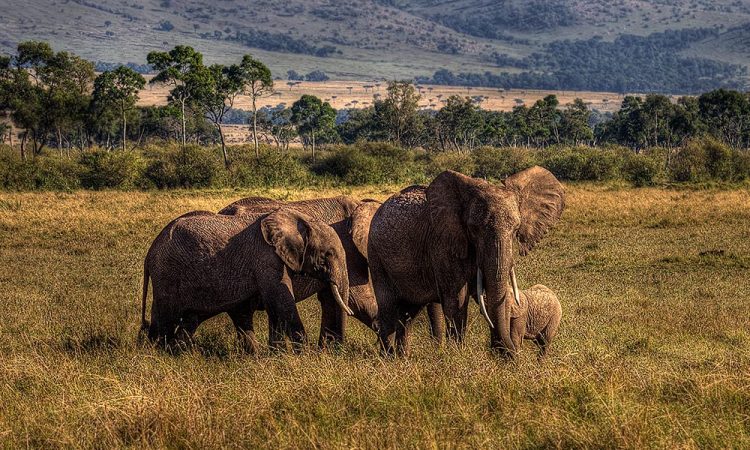
Tourist Attractions in Buffalo Springs National Reserve
Tourist Attractions in Buffalo Springs National Reserve; Buffalo Springs is the reserve that most visitors to northern Kenya cross without noticing. It sits immediately south of the Ewaso Nyiro River, directly across from Samburu National Reserve, and the two together form one ecosystem of riverine forest, acacia scrub, lava terraces and dry plains. The reserve is small, at about 131 square kilometres, but it holds species found nowhere in Kenya’s southern parks: Grevy’s zebra, reticulated giraffe, Beisa oryx, gerenuk and Somali ostrich, known as the Samburu Special Five.
A small point of accuracy: Buffalo Springs is a national reserve, not a national park. It is managed by Isiolo County rather than the Kenya Wildlife Service, which affects fees and rules. This guide covers the attractions, what to do, the fees, how to get there, where to stay and when to go.
Is Buffalo Springs Worth Visiting?
Yes, particularly as part of a Samburu trip. It offers wildlife that is genuinely different from the Mara or Amboseli, with fewer vehicles, wide plains and a sense of the arid north. Buffalo Springs is often described as equally good for game viewing as Samburu, and it is a classic place to see all five of the Special Five in a relatively small area.
It is not a destination for large herds or a high density of animals. Wildlife is scattered in the dry landscape, so you drive more and see fewer animals at a time, but the species are rarer and the setting is quiet. If you want migration scenes, go to the Mara. If you want to see northern specialities in peace, Buffalo Springs delivers.
The Samburu Special Five
The Special Five are the reserve’s signature. Grevy’s zebra is larger than the common zebra, with narrow stripes, big rounded ears and a white belly, and it is endangered, with the majority of the world’s population living in Kenya. The reticulated giraffe has a distinctive pattern of polygonal patches outlined by white lines, and nearly all of this giraffe species lives in Kenya. The Beisa oryx is a handsome antelope with long, straight horns and bold facial markings.
The gerenuk, often described as a gazelle that wishes it were a giraffe, has a very long neck and stands on its hind legs to browse on thorny acacia. The Somali ostrich is distinguished from the common ostrich by its blue-grey legs and neck. Seeing all five in a single drive is possible, and guides take pride in finding them.
The Buffalo Springs Pools
The springs that give the reserve its name form clear pools that provide a permanent source of water in otherwise dry country. They are a place to stop, watch wildlife that comes to drink, photograph the contrast between blue water and red earth and, according to some itineraries, cool off on a hot afternoon. The pools sit among doum palms and acacia gallery forest on old lava flows, and they are especially attractive in the late afternoon.
Because crocodiles and hippos live in the river and some pools, only swim where your guide or the reserve confirms it is safe, and never swim at dawn, dusk or at night. Even without swimming, the springs are a good place for birds and a peaceful spot for a picnic.
The Ewaso Nyiro River
The river is the lifeline of the reserve, and its banks hold most of the wildlife in the dry season. Elephants come to drink and bathe, giraffes browse along the riverine forest, and hippos and crocodiles live in the water. Lions and leopards hunt along the banks, and the river’s shade gives respite from the heat for people as well as animals.
Game drives along the river are the best way to see this, and many visitors spend the early morning and late afternoon driving the riverbank loops. The river also marks the boundary between Buffalo Springs and Samburu, and you can look across to the Samburu side from the south bank.
Birds and Smaller Wildlife
More than 365 bird species have been recorded, with riverine forest, acacia woodland and open plains each offering their own specialities. Look for raptors, hornbills, weavers, sunbirds, kingfishers along the river and dry-country species such as Somali bee-eater, Donaldson-Smith’s sparrow-weaver and vulturine guineafowl, which is also common in northern reserves. Early morning is best.
Beyond the headline species, you may see elephants in large numbers, buffalo, lions, leopards, cheetahs, hyenas, jackals, dik-diks, lesser kudu and a variety of reptiles. Because the reserve is small, a knowledgeable guide will help you find the less obvious animals and read tracks and signs.
Samburu Culture
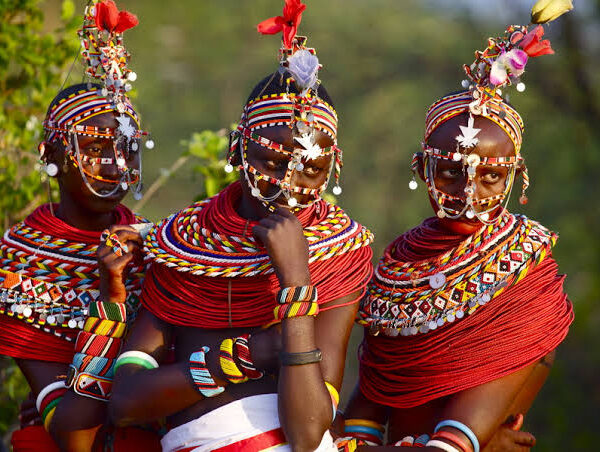
The Samburu people, close relatives of the Maasai, live around the reserve and are known for their beadwork, red shukas and pastoral traditions. Optional visits to a manyatta, or homestead, give you a chance to learn about daily life, see dances and buy crafts. Choose visits that are arranged through a lodge or community group, and ask how the money is shared.
Beadwork and crafts sold at lodges and villages are good souvenirs and a direct way to support local families. Approach the visit with curiosity and respect, ask before taking photographs and leave time for conversation rather than treating it as a quick photo stop.
Samburu Culture
Fees and Costs
Buffalo Springs, Samburu and Shaba are run by two counties and not by KWS, so fees are set locally and may be paid at the gate in cash or by other methods, depending on the reserve. Sources report US$70 per adult per day at Buffalo Springs, with another giving US$80 for adults and US$45 for children. Kenyan and East African residents pay much lower rates in shillings.
Entry to Buffalo Springs may not include Samburu or Shaba, so crossing the river may require a second fee, though one traveller reported that the ticket from the Buffalo Springs gate was accepted when entering Samburu on the same trip. Public campsites are available at around US$25 per person per night in Samburu, and lodge rates vary widely. Ask your operator which fees are included, and carry cash in case card payment is not available.
| Item | Approximate Figure (verify) |
| Buffalo Springs entry (non-resident adult) | About US$70 (some sources US$80) |
| Child entry | About US$45 in one source |
| Samburu entry (for comparison) | About US$85 |
| Public campsite (Samburu) | About US$25 per person per night |
Getting There
Buffalo Springs lies in Isiolo County, near Archer’s Post, about 320 kilometres north of Nairobi, a drive of around six to seven hours via Nanyuki and Isiolo.
Daily scheduled and charter flights serve airstrips in the Samburu area and shorten the trip to about 45 minutes. The road from Isiolo to Archer’s Post is tarmac, and the final stretch to the gate is a mix of murram and tarmac.
Most visitors combine Buffalo Springs with Samburu and Shaba in a three-day trip, entering through the Buffalo Springs gate and crossing the Ewaso Nyiro by the bridge. If you are driving yourself, confirm gate opening hours and fuel up in Isiolo.
Where to Stay
Accommodation inside Buffalo Springs includes Ashnil Samburu Camp, a permanent tented camp on the south bank of the Ewaso Nyiro, opposite Samburu.
Sasaab, a seven-tent lodge near both reserves, sits above the river and funds community and conservation projects, and a range of camps and lodges lie on the Samburu side and in the surrounding conservancies. Public campsites are available for budget travellers.
Choose a camp on the river for elephant sightings from your tent, and ask whether park fees are included in the rate. Book early for the dry season, and check whether the camp has its own gate arrangements.
Best Time to Go
The dry seasons, January to February and July to October, are best, when animals concentrate along the Ewaso Nyiro and are easier to find. The wet seasons, March to May and November to December, bring greener landscapes, fewer visitors and good birding, but wildlife is more scattered and tracks can be muddy. Mornings and late afternoons are best for game drives, and midday is a good time to rest at the lodge.
Combining Buffalo Springs With Samburu and Shaba
The three reserves share the same river system, so wildlife moves between them, and a stay of two to three nights lets you cover all three. Samburu has a larger riverbank and more lodges, Buffalo Springs is quieter and has the springs and lava terraces, and Shaba is more remote and drier. Because fees differ and may need to be paid separately, ask your operator which tickets you need and whether they can be combined.
Frequently Asked Questions
Is Buffalo Springs a national park?
No. It is a national reserve managed by Isiolo County, not by the Kenya Wildlife Service.
How big is Buffalo Springs?
About 131 square kilometres, immediately south of Samburu National Reserve.
What is the Samburu Special Five?
Grevy’s zebra, reticulated giraffe, Beisa oryx, gerenuk and Somali ostrich.
How much is entry?
Sources give about US$70 to US$80 for non-resident adults. Fees are set by the county and may change, so confirm before travelling.
Can I swim at the Buffalo Springs pools?
Some itineraries mention it, but crocodiles live in the river, so only swim where guides or staff confirm it is safe.