Birding in Lake Nakuru National Park
November 14, 2026
Tourist Attractions in Buffalo Springs National Reserve
November 14, 2026
Maasai Tribe of Kenya
Maasai Tribe of Kenya; Few people in East Africa are as widely recognized as the Maasai. The red cloth, the beadwork, the herders standing on one leg beside their cattle, and the high leaps of the jumping dance: these images appear on posters, in guidebooks and in the first conversation with a guide at a safari lodge. They are real, but they are only the surface of a society with a long history, a distinctive social structure and a present that is changing quickly.
This guide explains who the Maasai are, where they live, how their society is organized, what they believe, how the landscape and wildlife of southern Kenya are tied to their story and what they face today. It also covers how to visit a Maasai community respectfully, where to go, how to get there, where to stay and when to travel.
Who Are the Maasai?
The Maasai are an Eastern Nilotic people who speak Maa and live in southern Kenya and northern Tanzania. In Kenya, the 2019 census recorded 1,189,522 Maasai, compared with 377,089 in 1989, a rise that reflects population growth and changes in how people identify.
Estimates for the combined population across both countries vary widely, from about 900,000 to as many as two million, depending on the definitions used.
Most Maasai today speak Swahili and English as well as Maa, particularly younger people who have attended school. They live in a range of settings, from rural homesteads near the Maasai Mara, Amboseli and the Loita Hills to towns such as Narok and Kajiado and cities such as Nairobi.
The idea of a single, unchanging Maasai way of life does not match the reality of a people who are teachers, drivers, guides, farmers, politicians, business owners and herders.
A Short History
Maasai oral and written history suggests that their ancestors migrated from the north, from the region of present-day South Sudan, into Kenya and Tanzania over several centuries, with the main movement placed in the 17th and 18th centuries.
At the height of their expansion, the Maasai and related Nilotic groups herded cattle across a vast area of the Rift Valley and highlands, reaching as far as the Tanga coast.
A catastrophe struck at the end of the 19th century. The period from about 1883 to 1902, known as Emutai, brought rinderpest, smallpox and drought, which killed much of the Maasai’s cattle and many people, deeply affecting social structures.
Colonial treaties and land policies in the early twentieth century then reduced Maasai territory, restricting grazing land and moving communities into smaller areas, a pattern with lasting effects on land and livelihoods.
Cattle, Livelihood and Diet
Cattle sit at the centre of Maasai life. Traditionally, wealth is measured in cattle and children, and the Maasai believe that Enkai gave cattle to them as a sacred gift. The traditional diet is built around meat, milk, fat and, on some occasions, blood drawn from living cattle, along with honey and tree bark infusions in some accounts.
In recent decades, livelihoods have diversified. Many families keep goats and sheep as well as cattle, farm maize and vegetables, work in tourism and conservation, run small businesses or send family members to school and into wage jobs. Drought, shrinking grazing land and fencing have made purely pastoral life harder, and some families now live in permanent villages rather than moving seasonally.
Society: Age-Sets and Life Stages
Maasai society is organized around age-sets rather than the nuclear family alone. Boys who are initiated into adulthood at the same time form a cohort that moves together through defined stages, from junior warriors to senior warriors to junior elders and finally senior elders. Each stage carries responsibilities and privileges, and the age-set system shapes leadership, decision-making, and social ties.
Young men who are moran, or warriors, traditionally live apart in the bush, protect the community and its cattle and learn the customs of adulthood. The transition from warrior to junior elder is marked by a ceremony called Eunoto, during which the long braided hair of warriors is shaved. Women have their own life stages, manage the household, milk the cattle and build the houses, and they hold significant influence in family and community life.
Homes, Dress and Beadwork
A traditional Maasai homestead, or enkang, is a circle of low houses built by women from wood, grass, mud and cattle dung, enclosed by a thorn fence for protection. Cattle are brought inside at night.
Houses are small, dark and efficient, and the arrangement reflects the importance of livestock and community.
The red or plaid cloth called shuka became common in the 1960s, replacing earlier clothing made of animal skins, and it is now the best-known Maasai dress. Beadwork is far more than decoration.
Colors and patterns communicate age, social status, marital stage and achievement, and brides and warriors wear particular pieces. Since glass beads arrived through trade, beadwork has also become an important source of income for Maasai women.
Beliefs and Ceremonies
The Maasai traditionally follow a monotheistic faith centered on Enkai, or Engai, a god associated with rain and the sky, and many stories tell of the relationship between people, cattle and the divine.
Many Maasai today are also Christian, and the practice of belief varies from family to family. Ceremonies mark key stages of life, including initiation, marriage and the transition between age-sets.
Music and dance accompany these events. The best-known dance to visitors is the adumu, also called enkipaata, in which young men stand in a circle and take turns jumping as high as they can while keeping their bodies straight. It is a display of strength and grace, and it has a long history connected to training and ceremony. Singing, particularly by women, is also central to celebration.
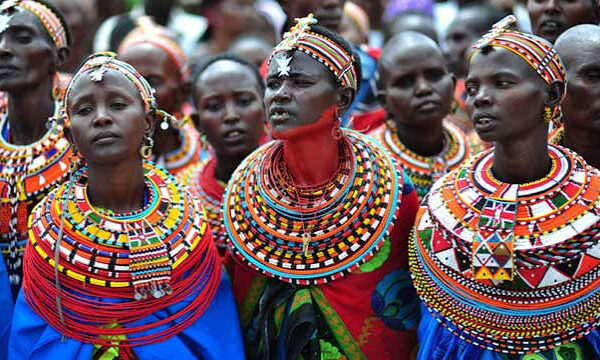
Maasai Tribe of Kenya
The Maasai and the Mara: Land, Wildlife and Conservancies
Many of the places that tourists associate with Kenyan wildlife, including the Maasai Mara and Amboseli national park, are historically Maasai land, and Maasai communities still live on the borders of the national reserves and parks.
That proximity creates tension as well as opportunity. Wildlife damages crops and kills livestock, grazing land is under pressure and people must find ways to share space with animals.
Conservancies are one response. In the Mara, landowners lease their land to conservancies, which limit settlement and farming in exchange for regular payments, and tourism revenue supports wages, schools and health care.
Examples include Naboisho, named after the Maa word for coming together, and the Nashulai Maasai Conservancy, described as the first community-owned and community-run conservancy in the Mara. These arrangements work best when landowners have a real voice in decisions, and they show how conservation and culture can reinforce each other.
Challenges Today
Maasai communities face several overlapping pressures. Land fragmentation, as communal ranches are subdivided into individual plots, makes it harder to move herds.
Climate change and drought reduce pasture and water, and population growth increases demand on land. Access to education, health care and clean water remains uneven in some areas, and debates continue over land rights and the way tourism income is shared.
At the same time, many Maasai are shaping their own future. They are teachers, doctors, politicians, lodge owners, guides and conservationists, and they are using tourism, conservancies and education to adapt while keeping their culture alive.
Visitors who understand this complexity are better placed to be good guests.
Visiting a Maasai Community Respectfully
A visit to a Maasai village is one of the most memorable parts of many safaris, and it is worth approaching thoughtfully. Visits are usually arranged in advance through a lodge, a conservancy or a community group and typically include a welcome, a demonstration of the jumping dance, a look inside a home, and an opportunity to buy crafts. The best visits include conversation, with guides explaining daily life and answering questions.
Choose visits that are arranged with the community and that share income fairly, and ask your operator how the money is used. Be curious rather than intrusive, ask before taking photographs, and accept a no. Avoid handing out sweets or money, particularly to children, and buy beadwork directly from makers at fair prices.
- Book through a lodge, conservancy or community group rather than a roadside tout.
- Ask how revenue is shared and whether the community runs the visit.
- Dress modestly and greet people before asking questions.
- Ask permission before photographing individuals or homes.
- Buy crafts directly from the makers and agree prices politely.
Where to Meet the Maasai
The best places to learn about Maasai life are in and around the Maasai Mara, Amboseli and the Loita Hills in southern Kenya. In the Mara, community visits and conservancy stays often include cultural activities, walks with Maasai guides and storytelling.
Amboseli, and conservancies such as Selenkay, offer similar experiences, and many lodges employ Maasai staff and guides.
In Nairobi, the Bomas of Kenya shows traditional dances and homesteads from many communities, including the Maasai, and craft markets sell beadwork. If you want a deeper experience, ask your operator about homestays and walking safaris with Maasai guides, which are available in some conservancies.
Getting There, Where to Stay and When to Go
Nairobi is the gateway, with road and air links to the Mara, Amboseli and Kajiado. The Mara is about five to six hours by road or 45 minutes by air, and Amboseli is four to five hours by road. Choose accommodation that employs local people and supports community projects, such as conservancy camps and community-owned lodges, and ask about cultural activities when you book.
Cultural visits can be arranged year-round. The dry seasons, June to October and January to February, are best for travel, while the wet seasons bring greener landscapes and fewer visitors. Time your visit around the community’s calendar where possible, since ceremonies and schooling affect availability.
Frequently Asked Questions
How many Maasai are there in Kenya?
The 2019 census recorded 1,189,522 Maasai in Kenya, and estimates across Kenya and Tanzania range from about 900,000 to two million.
What language do the Maasai speak?
Maa, with many people also speaking Swahili and English.
What is the adumu?
The Maasai jumping dance, in which young men leap as high as they can in turn, also called enkipaata.
What do the beads mean?
Colours and patterns communicate age, status and marital stage, and beadwork is also an important income source for women.
How can I visit a Maasai village responsibly?
Book through a lodge or community group, ask how income is shared, ask before taking photographs and buy crafts directly from makers.