What Is the Age Limit for Gorilla Trekking in Africa?
July 21, 2026
Best Places to Stay for Rwanda Family Safaris
July 21, 2026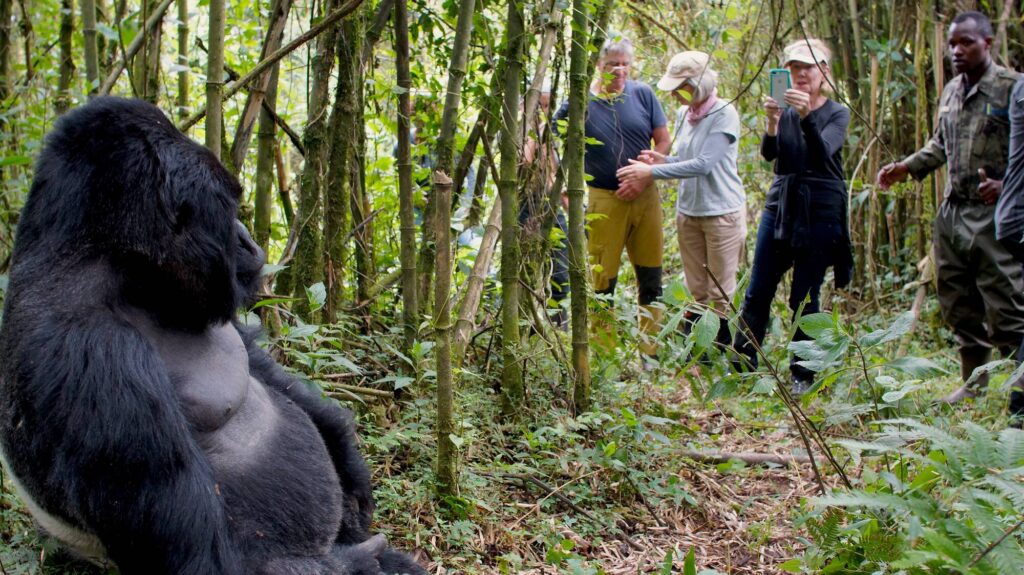
Age Requirements & Considerations for Uganda Safaris
The most important planning detail for any Uganda family safari is the age requirements that apply to the two most famous wildlife activities in the country. Understanding these before you build the itinerary saves significant disappointment later.
Gorilla Trekking — Minimum Age 15 Years
Gorilla trekking in Bwindi Impenetrable National Park and Mgahinga Gorilla National Park has a minimum age requirement of 15 years for all participants. This is a Uganda Wildlife Authority policy and is applied without exception. Children under 15 cannot join the trek regardless of physical capability, parental consent, or the cost of the permit.
The age restriction exists because of disease transmission risk to the gorillas (children are statistically more likely to carry certain viral infections) and because the physical and behavioral demands of the encounter require a level of maturity and control that younger children cannot reliably maintain near wild great apes.
For families with children under 15, the gorilla trek cannot be part of their Uganda experience. This is not a reason to avoid Uganda. The country has more than enough for families without younger children ever needing a gorilla permit.
For mixed-age families where some members are 15 or older and some are younger, the trekking day needs to be planned carefully so that younger children have a full and engaging alternative program while the older family members are in the forest. Lake Bunyonyi, a few hours from Bwindi’s main sector, offers canoeing, swimming in bilharzia-free water, and island exploration as an excellent parallel activity on gorilla trekking days.
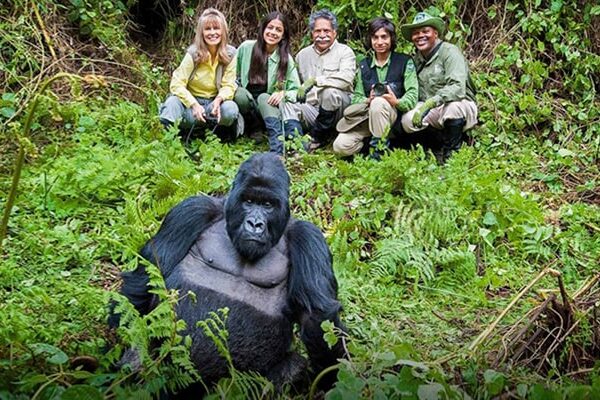
Gorilla Trekking in Uganda
Chimpanzee Trekking — Minimum Age 12 to 15 Years
Chimpanzee trekking in Kibale Forest National Park and other Ugandan sites has a minimum age that varies slightly between operators. The Uganda Wildlife Authority standard is 12 years for chimpanzee trekking, though some operators and camps apply a 15-year minimum consistent with the gorilla trekking standard.
Confirm the specific age requirement with your operator and the specific site before booking if you are travelling with children between 12 and 15. The same reasoning applies as for gorilla trekking: disease transmission risk and the requirement for calm, controlled behaviour near wild primates.
Rhino Tracking at Ziwa — Minimum Age 6 Years
Rhino tracking at Ziwa Rhino Sanctuary, on the main road between Kampala and Murchison Falls National Park, has a minimum age of 6 years. This is one of the lower age minimums for any wildlife activity in Uganda and makes Ziwa one of the most inclusive special wildlife experiences available on the Uganda safari circuit. The rhino tracking is conducted on foot with armed rangers over a distance and duration that children from 6 years can manage without difficulty.
Game Drives, Boat Cruises, and Walking Safaris — All Ages
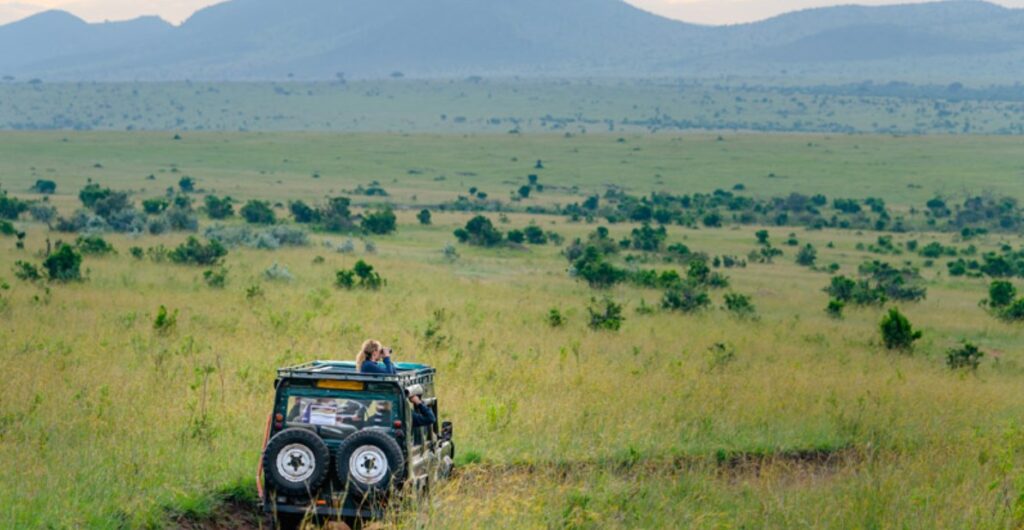
Game drives by vehicle in all Uganda national parks have no formal minimum age. Boat cruises, including the Nile boat cruise at Murchison Falls and the Kazinga Channel cruise at Queen Elizabeth, are open to all ages. Walking safaris at Lake Mburo with an armed ranger are available for all ages.
Horseback safaris at Lake Mburo (operated by Mihingo Lodge) have their own minimum age requirements set by the lodge rather than the Uganda Wildlife Authority: confirm with the lodge before booking for younger riders. The Uganda Wildlife Education Centre in Entebbe has no minimum age and is one of the best first wildlife experiences for young children visiting Uganda.
Uganda Safari Activities by Age Group
Ages 3 to 6 — Gentle Introduction to Wildlife
The best Uganda safari activities for children between 3 and 6 are those that involve being on or near water (boat cruises, lake trips), watching animals from a stable vehicle on short drives of no more than two hours, and visiting places like UWEC where the wildlife is accessible and the environment is safe and contained.
The Nile boat cruise at Murchison Falls is excellent for this age group: seated, comfortable, stable, and surrounded by hippos and crocodiles at close range. The Kazinga Channel cruise at Queen Elizabeth works for the same reasons. Lake Mburo game drives are short enough to stay within the attention span of most children in this age group, and the walking safari at Lake Mburo is appropriate as long as the ranger keeps the pace gentle and allows children to stop and look at insects, plants, and tracks rather than covering ground.
Ages 7 to 11 — Expanding the Safari Programme
Children between 7 and 11 can handle longer game drives, more complex wildlife explanations, and the physical demands of guided forest walks and shorter hikes. Rhino tracking at Ziwa Rhino Sanctuary, available from age 6, produces a particularly strong response in this age group because the rhino is big enough to be impressive and the on-foot approach creates a physical proximity that a vehicle cannot.
The Uganda Wildlife Education Centre’s Behind the Scenes tour is appropriate for this age group and tends to engage children who have a specific interest in animals and how they are cared for. Boat cruises remain excellent at this age, and the Murchison Falls waterfall from the base of the boat cruise is consistently one of the most impressive natural sights for children in this age range.
Ages 12 to 14 — Approaching the Full Uganda Programme
Children from 12 years (and at some sites 15 years, depending on the specific operator’s policy) can begin to access the chimpanzee trekking experience, which opens up Uganda’s most energetic wildlife activity.
At this age, children can also manage longer hikes to elevated viewpoints, cultural programme visits, birdwatching with a specific checklist approach, and more extended game drives without the schedule constraints that younger children need.
The Bigodi Wetland community walk near Kibale Forest, the Mabamba Swamp shoebill stork canoe trip near Entebbe, and night game drives in Lake Mburo are all activities that work well for this age group.
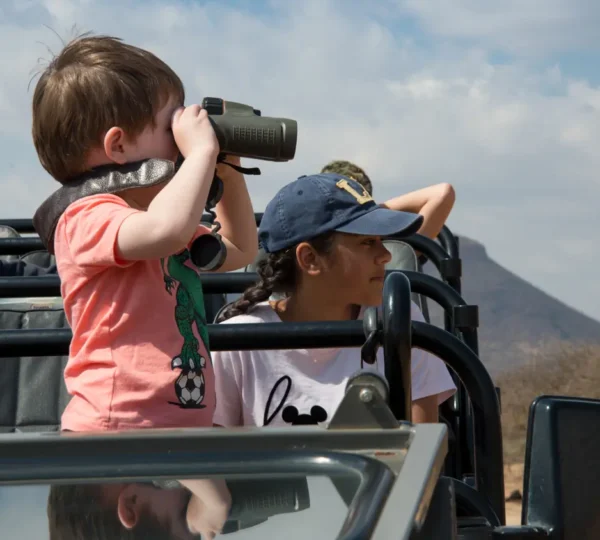
Kids on safari
Ages 15 and Above — The Full Uganda Safari
From 15 years, the full range of Uganda’s wildlife activities becomes available: gorilla trekking in Bwindi or Mgahinga, chimpanzee trekking and the Chimpanzee Habituation Experience at Kibale, and the Uganda Carnivore Project lion tracking at Queen Elizabeth National Park.
Teenagers who have been on the Uganda safari circuit with the family and reach this age milestone often describe the gorilla trek as the single most affecting wildlife experience they have had, partly because of the primate encounter itself and partly because of the effort and terrain that precede it. A teenager who earns the gorilla encounter physically has a relationship with the experience that a vehicle-delivered sighting cannot produce.
Tips for Planning Uganda Safaris
Balance Activity Days with Rest Days
A Uganda family safari that schedules a game drive, a boat cruise, and a cultural visit on the same day for a week will exhaust adults and collapse completely with children. Build a rhythm into the itinerary that alternates high-activity game drive or trekking days with lower-activity afternoons around the lodge pool or on the lake.
The children need the quieter time to process what they have seen and the adults need it to stay present and patient. An itinerary that feels slightly underbooked in the planning stage usually feels just right in the field.
Keep Drives Between Parks Reasonable
Uganda’s roads between parks are scenic and interesting but not comfortable for children after the third hour. The maximum comfortable vehicle journey for a family with children under twelve is around three to four hours, which covers the main connections between Kampala and Lake Mburo, Lake Mburo and Queen Elizabeth, and Kibale and Queen Elizabeth.
Longer drives, such as the full day from Kampala to Bwindi or the drive to Kidepo Valley, should be broken into segments with meaningful stops rather than completed as a single journey.
The Equator crossing at Kayabwe on the Kampala to Mbarara highway, the Ziwa Rhino Sanctuary stop on the Kampala to Murchison road, and the crater lake viewpoints around Fort Portal on the western circuit are all good break points.
Book Permits and Accommodation Well in Advance
Uganda family safaris in June, July, August, and December require advance planning because these months align school holidays with the dry season, which is also peak safari season.
Gorilla permits for August can sell out six to twelve months in advance. The family-friendly rooms at the most practical lodges, particularly Mihingo Lodge at Lake Mburo and Mweya Safari Lodge at Queen Elizabeth, have limited family-sized accommodation and fill up early in peak months. For families with specific dates set by school holidays, start booking accommodation and permits six months ahead rather than three.
Involve Children in the Planning
Children who have had some input into the safari itinerary are more engaged on the ground than those who arrive knowing only that there will be animals.
Involving a child in choosing which park to visit first, letting them pick one activity from a shortlist, giving them a field guide to carry and a list of species to look for, or setting up a simple wildlife journal to record sightings from the first day: any of these raises the investment the child has in the experience before the vehicle even reaches the park gate.
Many families report that the wildlife journal, kept daily from the first game drive, becomes one of the most revisited mementos of the trip in the years after.
Malaria Prevention
Malaria is present in all of Uganda’s national park areas, including those at higher altitudes where the risk is lower but not absent. Anti-malarial medication is strongly recommended for all family members, and the appropriate choice for children should be discussed with a travel health physician before departure.
In addition to prophylaxis, using effective insect repellent on children in the evenings when mosquitoes are most active and ensuring that children sleep under a net or in a screened room reduces exposure significantly.
Lodge rooms in most established Uganda properties have screens and nets as standard. The Uganda Wildlife Education Centre in Entebbe and Lake Mburo National Park, both close to Kampala, are in the same risk category as the western parks and require the same precautions.
Sample Uganda Family Safari Itineraries
6-Day Family Safari — All Ages Welcome
- Day 1: Arrive Entebbe, visit Uganda Wildlife Education Centre (UWEC), overnight Entebbe
- Day 2: Drive to Lake Mburo National Park (3.5 hours), afternoon lake boat trip
- Day 3: Morning game drive and walking safari at Lake Mburo, afternoon pool time at Mihingo Lodge
- Day 4: Drive to Queen Elizabeth National Park via Mbarara, afternoon game drive Kasenyi Plains
- Day 5: Morning Kazinga Channel boat cruise, afternoon crater lake walk
- Day 6: Early game drive, drive to Kampala or Entebbe, depart
8-Day Family Safari — Children 7 and Above
- Day 1: Arrive Entebbe, UWEC visit, overnight near airport
- Day 2: Drive north, Ziwa Rhino Sanctuary rhino tracking (ages 6+), continue to Murchison Falls
- Day 3: Nile boat cruise to base of falls (all ages), afternoon Buligi game drive
- Day 4: Morning game drive, optional Budongo Forest walk, drive to Fort Portal
- Day 5: Kibale Forest guided forest walk and Bigodi Wetland walk (all ages)
- Day 6: Drive to Queen Elizabeth, afternoon Kazinga Channel boat cruise
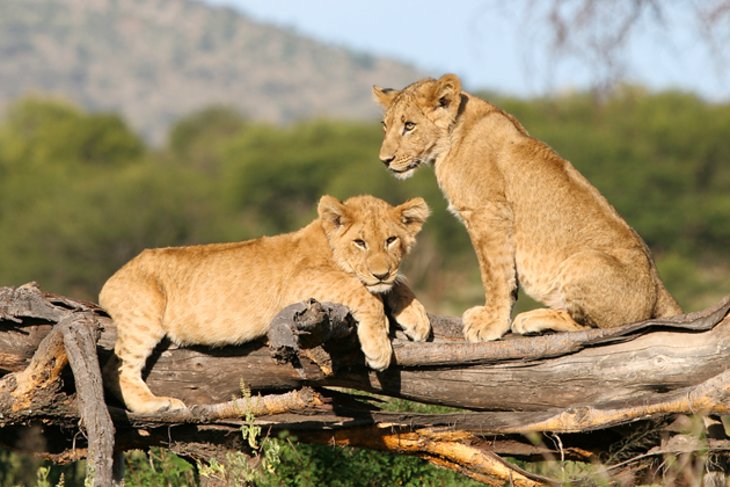
- Day 7: Kasenyi game drive, afternoon Ishasha sector (tree-climbing lions, 2-hour drive south)
- Day 8: Return to Kampala via Lake Mburo, short walking safari, depart
10-Day Family Safari with Gorilla Option — Ages 15+
- Day 1: Arrive Entebbe, UWEC visit
- Day 2: Drive to Murchison Falls via Ziwa Rhino Sanctuary
- Day 3: Nile boat cruise and Buligi north bank game drives
- Day 4: Drive to Fort Portal, crater lake views
- Day 5: Kibale Forest chimpanzee trekking (ages 12-15+, confirm requirement), Bigodi walk
- Day 6: Drive to Queen Elizabeth, Kazinga Channel boat cruise
- Day 7: Kasenyi Plains game drive, afternoon Ishasha lions
- Day 8: Drive to Bwindi Impenetrable Forest via Lake Bunyonyi
- Day 9: Gorilla trekking (ages 15+) / Lake Bunyonyi canoeing and swimming (under 15s)
- Day 10: Drive to Kampala via Equator crossing, depart