
Best 5 Gorilla Safari Lodges in Uganda
July 21, 2026
Age Requirements & Considerations for Uganda Safaris
July 21, 2026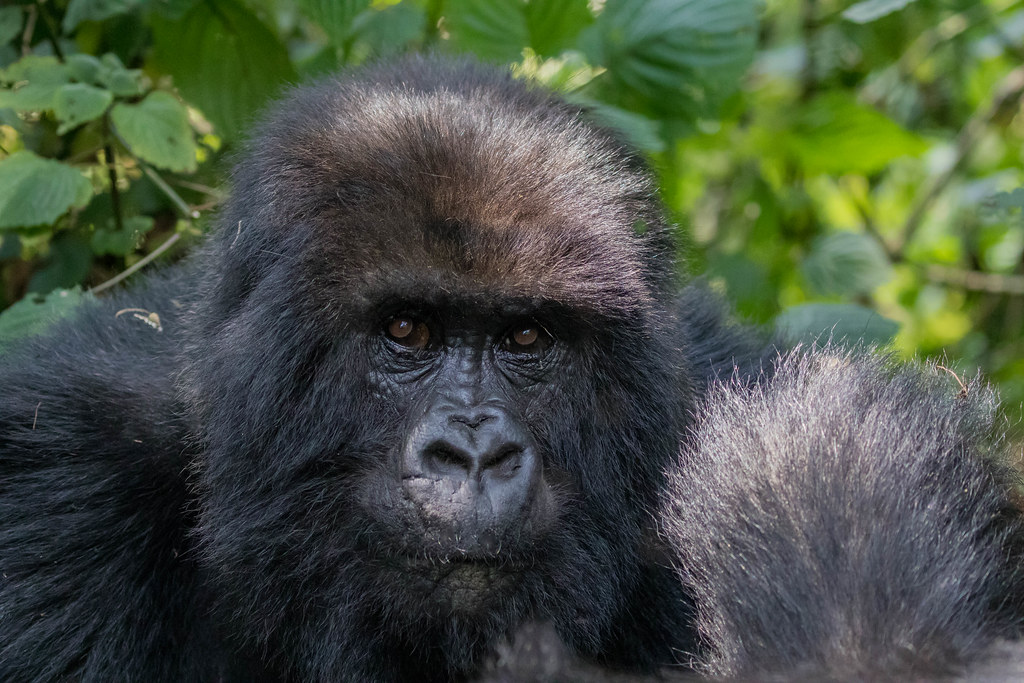
What Is the Age Limit for Gorilla Trekking in Africa?
Gorilla trekking is one of the most extraordinary wildlife experiences on earth, and understandably many families dream of sharing it together, parents and children venturing into the misty forest to sit among wild mountain gorillas.
Yet one of the first questions any family planning such a trip must ask is a crucial one: what is the age limit for gorilla trekking? The answer is important, because there is a strict minimum age rule that applies across every country where mountain gorilla trekking takes place, and understanding it is essential before booking, especially for families travelling with younger children.
The short and clear answer is that the minimum age for gorilla trekking in Africa is fifteen years old. This rule applies uniformly in all three countries where mountain gorillas can be tracked, Uganda, Rwanda, and the Democratic Republic of Congo, meaning a child must be at least fifteen years of age on the day of the trek to be permitted to participate.
It is a firm rule, strictly enforced, and it exists for very good reasons that protect both the gorillas and the trekkers themselves. Knowing this early allows families to plan realistically and to make the most of a gorilla safari whatever the ages of their children.
This guide explains everything you need to know about the age limit for gorilla trekking, why the rule exists and how it is enforced. Whether you are planning a family trip or simply want to understand the rules, here is a complete guide to the age limit for gorilla trekking in Africa and how to plan around it.
The Minimum Age: Fifteen Years Old
Across all of Africa’s mountain gorilla destinations, the minimum age for gorilla trekking is set firmly at fifteen years. This is the standard in Uganda, home to Bwindi Impenetrable National Park and Mgahinga Gorilla National Park; in Rwanda, home to Volcanoes National Park; and in the Democratic Republic of Congo, home to Virunga National Park.
Mountain Gorilla
There is no variation between these countries on the minimum age, so wherever you choose to trek, the same rule applies: every trekker must be fifteen or older on the day of the trek.
| Country | Gorilla Parks | Minimum Age |
| Uganda | Bwindi and Mgahinga | 15 years |
| Rwanda | Volcanoes National Park | 15 years |
| DR Congo | Virunga National Park | 15 years |
The age is calculated as of the day of the trek, not the day of booking, so a child who is fourteen when the trip is booked but who will have turned fifteen by the trekking date is eligible.
It is essential to be accurate about this, as the rule is strictly enforced and there are no exceptions, regardless of how mature, fit, or experienced a younger child may be. Planning with the correct ages in mind from the outset avoids disappointment and ensures a smooth trip.
Why Is There an Age Limit for Gorilla Trekking?
The minimum age of fifteen is not arbitrary; it exists for several important and well-considered reasons that protect the gorillas, the trekkers, and the overall experience. Understanding why the rule is in place helps families appreciate its importance and the care that surrounds gorilla tourism. There are several key reasons behind the age limit.
Protecting the Gorillas From Disease
Mountain gorillas share close to 98 percent of their DNA with humans, which makes them highly susceptible to human illnesses, including common childhood diseases such as colds, flu, measles, and other infections that young children are more likely to carry and transmit.
Because even a mild human illness can be devastating or fatal to a gorilla, minimising the risk of disease transmission is a central concern of gorilla conservation, and the age limit helps reduce the chance of infectious illness being brought into close proximity with the gorillas. This is perhaps the single most important reason for the rule.
The Physical Demands of the Trek
Gorilla trekking can be physically demanding and unpredictable, involving hiking for anywhere from one to several hours, or occasionally much longer, through dense forest, up and down steep, muddy, slippery terrain at altitude, sometimes in rain.
This is genuinely challenging, and younger children may struggle with the exertion, distance, and conditions. The age limit helps ensure trekkers are physically capable of managing the hike safely, without putting themselves, the group, or the schedule at risk.
Safety Around Wild Gorillas
Gorillas are wild animals, and although generally peaceful, they are immensely strong, and encounters require calm, quiet, disciplined behaviour, following the guides’ instructions precisely, remaining still and composed, and not making sudden movements or loud noises.
A large silverback can occasionally display or mock charge, which can be startling. Younger children may find it difficult to remain consistently calm, quiet, and controlled in such situations, and the age limit helps ensure all trekkers can behave appropriately and safely in the presence of the gorillas.
How the Age Limit Is Enforced
The age limit for gorilla trekking is taken seriously and is strictly enforced by the wildlife authorities in each country, so families should be fully prepared to comply. When you book a gorilla permit, the trekker’s age or date of birth is required, and proof of age is checked. On the day of the trek, before setting out, trekkers are typically briefed and their details verified, and a child who does not meet the minimum age will not be permitted to trek, with no refund of the permit cost in most cases.
For this reason, it is vital to be honest and accurate about ages when booking, and to carry proof of age for younger trekkers who are close to the minimum, usually in the form of a passport, which shows the date of birth.
Attempting to trek with an underage child is not worth the risk, as it will simply result in being turned away and losing the substantial permit fee. Planning honestly around the rule from the start is by far the best approach, and a reputable operator will always advise you correctly and help you plan appropriately.
What About Chimpanzee Trekking and Other Primates?
Families should note that the age rules differ for other primate experiences, which can offer excellent alternatives or additions for those with younger children. While gorilla trekking requires trekkers to be fifteen, chimpanzee trekking often has a lower minimum age, and other wildlife activities are more accessible still. Knowing these differences helps families plan a primate-focused trip that works for all ages.
- Chimpanzee trekking: often has a minimum age of around twelve, though this can vary by park and country, making it accessible to slightly younger children than gorilla trekking.
- Golden monkey tracking: in Rwanda and Uganda, this delightful experience is generally more accessible and often welcomes younger children, offering a wonderful primate encounter for families.
- Ziwa Rhino Sanctuary: in Uganda, rhino tracking on foot has a low minimum age and is very family-friendly, suitable for younger children.
- Game drives and boat safaris: these have no minimum age, so families with young children can fully enjoy classic safari experiences together.
Options for Families With Children Under Fifteen
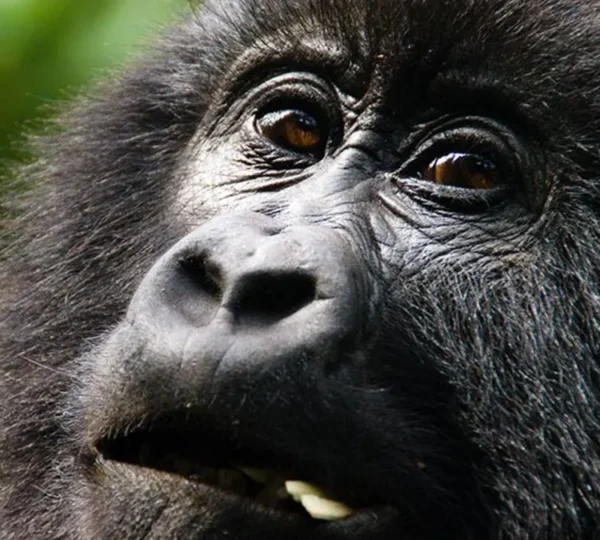
Gorilla
If your children are under fifteen and cannot yet join a gorilla trek, do not be discouraged, because there are wonderful ways to enjoy a family safari that includes gorilla country, and to plan for the gorilla trek in the future. Families have several excellent options for making the most of a trip whatever their children’s ages.
- Split the activities: eligible family members aged fifteen and over can trek the gorillas while younger children and an accompanying adult enjoy other activities nearby, such as nature walks, cultural visits, or community experiences.
- Choose age-appropriate primate experiences: opt for golden monkey tracking or chimpanzee trekking, and enjoy the many family-friendly activities available.
- Focus on savannah safaris: build the trip around game drives and boat safaris in parks with no age limit, delivering thrilling wildlife for all ages.
- Enjoy cultural and community visits: many lodges and communities offer enriching cultural experiences that children love and learn from.
- Plan a future gorilla trek: consider gorilla trekking as a special experience to return for when the children are older, giving the family something wonderful to look forward to.
Many lodges in gorilla country warmly welcome families and offer activities and childcare arrangements that allow parents to trek while children are happily occupied. With thoughtful planning, a family with younger children can still enjoy a magical trip to the heart of gorilla country, sharing in its beauty and wildlife, while saving the gorilla trek itself for when everyone is old enough to take part together.
Is There a Maximum Age for Gorilla Trekking?
A common related question is whether there is an maximum age limit for gorilla trekking, and the reassuring answer is no; there is no maximum age. Gorilla trekking is open to older adults, and many people in their sixties, seventies, and beyond successfully and joyfully complete gorilla treks every year. What matters at the older end is not age but fitness and health, as the trek can be physically demanding, so older trekkers should be in reasonable health and prepared for a potentially strenuous hike.
For older or less mobile trekkers, there are helpful options to make the experience achievable, including hiring porters to assist and carry bags, choosing gorilla families located closer and requiring shorter hikes where possible, and, in some parks, arranging a sedan-chair carrying service for those who need it.
With the right preparation and support, gorilla trekking is genuinely accessible to a wide range of ages and fitness levels, and its magic is by no means reserved for the young. The key is honest assessment of fitness and good planning with your Africa operator.
Preparing Young Trekkers Aged Fifteen and Over
For families with teenagers aged fifteen and over who will be trekking, a little preparation ensures they get the most from this remarkable experience. Although eligible, young trekkers should still be ready for the physical and behavioural demands of the trek. A few simple steps help teenage trekkers enjoy a safe and successful gorilla encounter.
- Build fitness beforehand: some walking and hiking practice in advance helps teenagers cope comfortably with the trek’s demands.
- Brief them on behaviour: ensure they understand the importance of staying calm, quiet, and disciplined, and following the guides’ instructions around the gorillas.
- Pack properly: sturdy boots, layers, rain gear, gloves, and plenty of water make the trek far more comfortable for young trekkers.
- Hire a porter: a porter eases the hike, supports the local community, and lets teenagers focus on the experience.
- Manage expectations: explain that the trek can be long and challenging and that the reward, an hour with wild gorillas, is worth every step.