East African Destinations for Luxury Travellers
September 1, 2026
Where to Go for Family Safari Experiences in Uganda?
September 1, 2026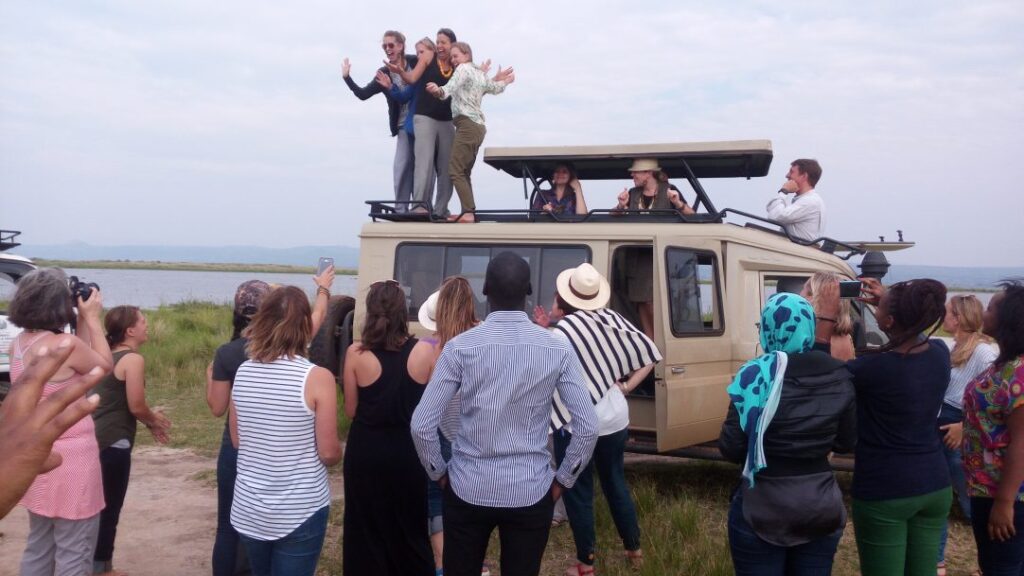
Best Family-Friendly Safaris Packages in Uganda; Planning a family safari in Uganda is a genuinely different exercise from planning an adult-only trip, not because Uganda lacks family-friendly options, quite the opposite, but because getting the itinerary structure right takes real thought.
Rather than repeating the general age-policy framework, this guide focuses on specific, proven itinerary structures that work well for families, the kind of trips I actually build for clients traveling with children, teenagers, or multiple generations at once.
Uganda rewards families who plan deliberately: matching pacing to your children’s ages, choosing lodges that genuinely welcome younger travelers rather than merely tolerating them, and building in enough downtime that the trip feels like a shared adventure rather than an endurance test.
The Classic 10-Day Family Circuit
For families wanting a genuinely comprehensive introduction to Uganda, a ten-day circuit combining Queen Elizabeth National Park, Kibale National Park, and either Murchison Falls or Bwindi (depending on children’s ages) offers strong variety without excessive travel fatigue.
This structure typically opens with two to three nights in Queen Elizabeth for game drives and the Kazinga Channel boat cruise, both entirely unrestricted activities that reliably deliver strong wildlife viewing for younger children, continues with two nights in Kibale for chimpanzee trekking suited to children twelve and up, and closes with either Murchison Falls for more game viewing and the Nile boat cruise, or, for families with teenagers fifteen and older, a Bwindi extension for gorilla trekking.
This structure works because it front-loads the unrestricted, universally enjoyable activities early in the trip, giving younger family members a genuinely engaging start, before moving toward the more specialized, age-restricted primate activities later on, by which point everyone has settled into the safari rhythm and built up some stamina for the more demanding days.
The Shorter 6-7 Day Option for Families With Very Young Children
For families with children under seven or eight, a shorter, more focused itinerary centred entirely on Queen Elizabeth National Park and Lake Mburo National Park, both offering unrestricted game drives and boat-based activities, avoids the longer drive days and physically demanding trekking that older children and adults might tolerate but very young children generally won’t enjoy.
Lake Mburo in particular is well suited to younger families given its compact size, gentle game drives, and the option of a guided walk in specific zebra-and-antelope-only areas considered safe for a slower, more relaxed pace.
This shorter structure also allows for a more relaxed daily rhythm, later starts, shorter drives, and more downtime at the lodge, which matters considerably more for families with young children than maximizing the number of parks visited.
The Multi-Generational Trip: Grandparents, Parents, and Teens
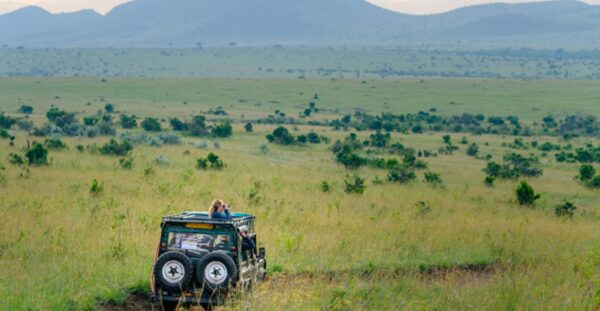
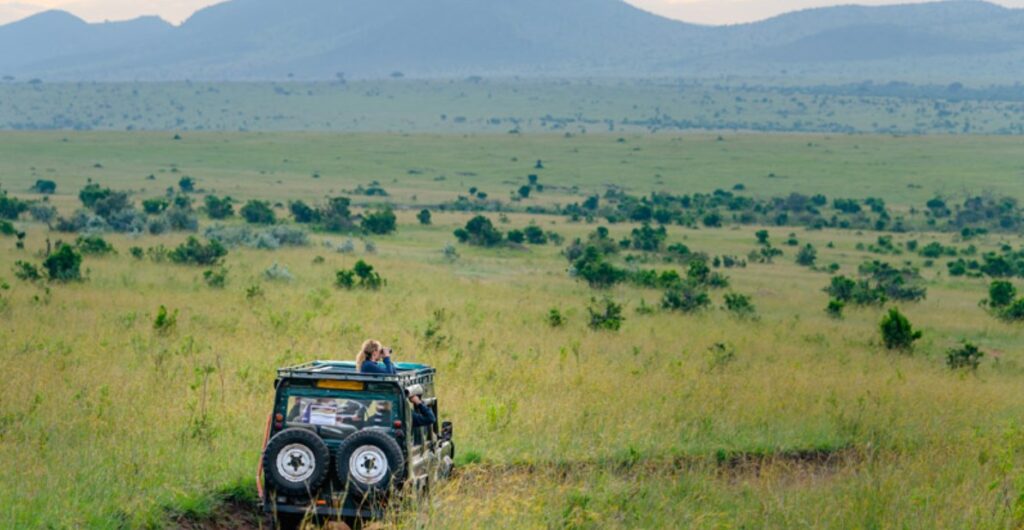
Multi-generational family safaris, spanning grandparents through teenagers, benefit enormously from a private vehicle and guide arrangement rather than a shared group safari, since it allows the day’s pace to flex around whichever family member needs it most on a given day, a slower morning for grandparents, an extra hour at a sighting for wildlife-obsessed teenagers, or a shortened afternoon activity if young children are flagging.
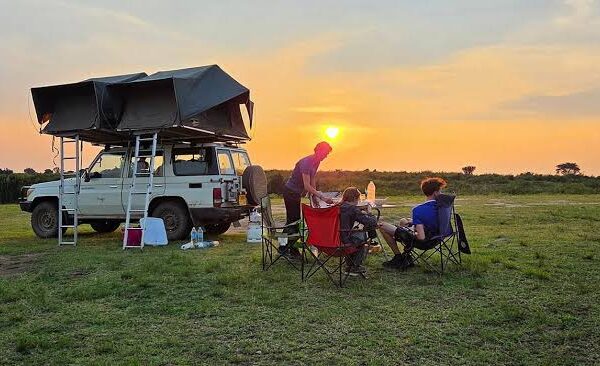
Family safaris
Building genuine rest days into a multi-generational itinerary, rather than scheduling activities every single day, prevents the fatigue that can otherwise strain a longer trip involving family members with genuinely different stamina levels.
Uganda’s lodges with interconnecting family rooms or multi-bedroom family suites, increasingly common at properties around Queen Elizabeth, Kibale, and Bwindi, make multi-generational logistics considerably easier than trying to coordinate separate standard rooms across a large family group.
Combining Primate Trekking With Family-Friendly Downtime
For families where some members are eligible for gorilla trekking and others aren’t, the most successful itineraries I’ve built genuinely embrace the split rather than trying to avoid it. While eligible trekkers spend a half-day or full day pursuing gorillas, younger family members can join a lodge’s dedicated activity programme, guided nature walks, birdwatching, simple craft sessions, or a visit to a nearby community project, and the whole family reunites for dinner to share stories from very different days.
This approach, rather than a single all-ages itinerary trying to satisfy everyone at once, consistently produces the most memorable family trips, since each family member gets an experience genuinely suited to their age and interests rather than a compromise that under-delivers for everyone.
A Sample 10-Day Family Itinerary
| Days | Location | Focus |
| 1-2 | Entebbe/Kampala | Arrival, rest, optional Ewaffe Cultural Village day |
| 3-5 | Queen Elizabeth National Park | Game drives, Kazinga Channel boat cruise |
| 6-7 | Kibale National Park | Chimpanzee trekking (12+), Bigodi Wetland walk for younger children |
| 8-9 | Bwindi Impenetrable National Park | Gorilla trekking for eligible members (15+); lodge activity programme for others |
| 10 | Departure | Return to Entebbe |
Practical Considerations for Family Trip Planning
Beyond the itinerary structure itself, a few practical factors consistently determine whether a Uganda family safari feels smooth or stressful. Confirm each specific lodge’s minimum age policy and family room configuration directly rather than assuming a general luxury property will accommodate your family’s needs, since policies vary meaningfully even within the same park.
Budget realistically for the slower pace a family trip genuinely requires, both in terms of trip length and daily scheduling, rather than trying to compress an adult-paced itinerary into a shorter family trip.
Finally, involve older children and teenagers in the planning process itself where possible, letting them choose a specific activity, lodge, or animal they’re most excited to see. This small step genuinely increases engagement and excitement throughout the trip, turning what could feel like a parent-planned itinerary into a shared family adventure everyone has a stake in.
Health and Safety Preparation for Family Trips
Family safaris require somewhat more advanced health planning than adult-only trips, given the need for pediatric-specific guidance around malaria prophylaxis, vaccinations, and general travel health precautions.
A travel clinic visit four to six weeks before departure allows time to work through age-appropriate recommendations for each child in your party, and it’s worth discussing your specific itinerary and the ages of all travelers directly with the clinic rather than relying on general adult guidance.
Comprehensive travel insurance covering the entire family, including medical evacuation coverage, is genuinely essential given how remote many Uganda safari lodges are from hospital-level care, and confirming that your policy explicitly covers all activities on your itinerary, including any trekking components, is worth double-checking before departure rather than assuming standard coverage applies.
Frequently Asked Questions
What is the best Ugandan park for families with young children?
Queen Elizabeth National Park and Lake Mburo National Park are generally the strongest choices, offering unrestricted game drives and boat-based activities without the physical demands or age restrictions that trekking activities carry.
How long should a family safari in Uganda be?
Six to seven days works well for families with very young children prioritizing a relaxed pace, while ten days or more allows a fuller circuit, including chimpanzee trekking and, for eligible family members, gorilla trekking.
Can grandparents and young children safari together comfortably?
Yes, particularly with a private vehicle and guide arrangement that allows daily pacing to flex around different family members’ needs, and by building in genuine rest days rather than scheduling activities every day.
What if only some family members are old enough for gorilla trekking?
Split itineraries work well: eligible members trek while younger family members join a lodge’s dedicated activity program, with everyone reuniting afterward. Confirm this arrangement directly with your chosen lodge in advance.
Should we book a private or shared safari for a family trip?
Private is generally recommended for family trips, particularly multi-generational ones, since it allows genuine flexibility around pace and activities that a fixed shared-group itinerary can’t easily accommodate.