
Best Accommodation in Maasai Mara National Reserve
October 15, 2026
Tips for a Tanzania Safari with Kids
October 16, 2026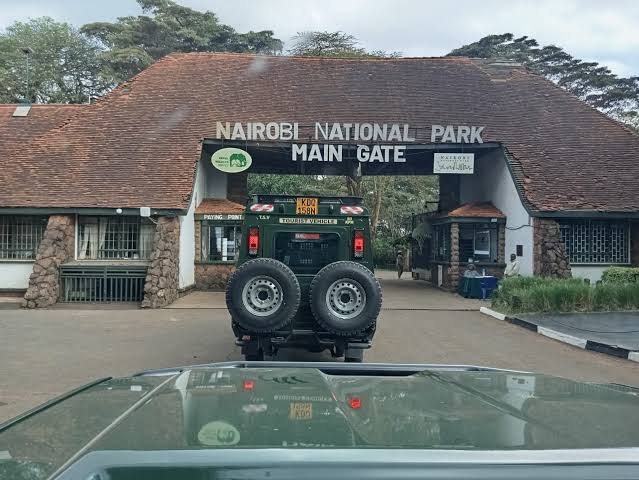
How to Get to Nairobi National Park
Nairobi National Park is located seven kilometers south of the city center, and on a clear morning you can photograph a black rhino grazing with the city skyline in the background. For travelers with a layover, a free day before a safari or a business trip with a few spare hours, it is one of the most rewarding wildlife experiences in Kenya. This guide explains exactly how to get to Nairobi National Park from the main parts of the city and the airports, which gate to use, how to choose transport and how to plan your visit so you spend more time watching wildlife and less time in traffic.
Getting there is simple in principle but less obvious in practice. The park has several gates, rules about vehicles, cashless entry systems and traffic patterns that can turn a fifteen-minute drive into an hour. Choosing the wrong gate or arriving at the wrong time can cost you the best part of the day.
Should You Visit Nairobi National Park?
Who It Suits
- Travellers with a free day in Nairobi before or after a safari
- Layover passengers with at least six to eight hours between flights
- Business travelers who want a half-day wildlife experience
- Families introducing children to safari before a longer trip
- Photographers after rhinos and city skyline images
What to Expect
The park covers about 117 square kilometers of open grass plains, acacia woodland and riverine forest along the Mbagathi River. Wildlife includes lion, leopard, cheetah, buffalo, giraffe, zebra, eland, hartebeest, hippo and both black and white rhinos. The park is fenced on three sides, while the southern boundary opens toward the Athi Kapiti plains, allowing some animals to move in and out. There are no elephants.
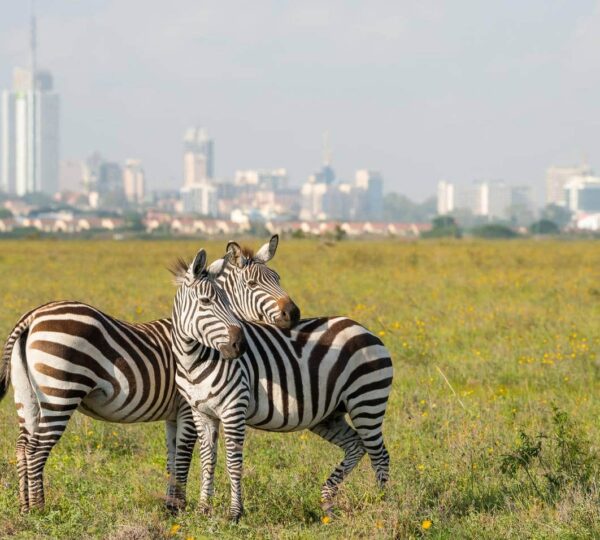
Zebras in Nairobi national park
What It Is Not
Nairobi National Park is not a substitute for the Maasai Mara or Amboseli. Distances are short and the city is never far away. But as an introduction or a short escape, it is remarkably good value.
Where Is Nairobi National Park?
The park lies south of the city center, bordered by Langata Road to the north, Mombasa Road to the east and the Southern Bypass running along its northern edge. Jomo Kenyatta International Airport (JKIA) lies to the east, and Wilson Airport, used for domestic flights, sits beside Langata Road close to the main gate.
| Starting Point | Approximate Distance to Main Gate | Typical Drive Time |
| Nairobi CBD | 7 to 10 km | 20 to 45 minutes |
| Westlands | 12 to 15 km | 30 to 60 minutes |
| Karen and Langata | 5 to 12 km | 10 to 25 minutes |
| Jomo Kenyatta International Airport | 15 to 20 km | 30 to 60 minutes |
| Wilson Airport | 2 to 3 km | 5 to 10 minutes |
| Gigiri and UN area | 20 km | 40 to 75 minutes |
Park Gates Explained
Nairobi National Park has several entrances. Choosing the right one depends on where you are coming from and what you want to see.
Main Gate (Langata Road)
The main gate sits on Langata Road next to the Kenya Wildlife Service headquarters. It is the most convenient entry from the CBD, Karen, Langata and Wilson Airport. The Nairobi Safari Walk and the animal orphanage are located here, making it the best choice for families or visitors combining a game drive with these attractions.
East Gate
The East Gate is accessed from the Mombasa Road side and is the closest option for travelers coming from Jomo Kenyatta International Airport or the eastern suburbs. It is useful for layover visits.
Other Gates
Additional gates along the western and southern boundaries, including Banda Gate and others off Magadi Road, serve Karen, Langata and Ongata Rongai. They are quieter but have fewer facilities. Check which gates are operational before planning to use them.
| Gate | Best For | Facilities |
| Main Gate | CBD, Westlands, Karen, Wilson Airport, families | KWS headquarters, Safari Walk, orphanage, restrooms |
| East Gate | JKIA layovers, Mombasa Road hotels | Basic facilities |
| Western and southern gates | Karen, Langata, and Rongai residents | Basic facilities |
Transport Options
You cannot enter Nairobi National Park on foot or by bicycle. You need a vehicle, and the type of vehicle matters.
Private Safari Vehicle With Guide
The best option for most visitors. A pop-up roof land cruiser or safari van with an experienced driver guide offers good visibility, knowledge of where animals have been seen recently and smooth handling of entry procedures. Most safari companies offer half-day and full-day trips with hotel or airport pickup.
Best for: First-time visitors, photographers, families and anyone wanting the most from a limited time.
Taxi or Ride-Hailing Car
You can take a taxi or a ride hailing car to the main gate, but entering the park with a normal saloon car depends on conditions and the driver’s willingness. Many drivers are not familiar with park tracks, and low clearance vehicles struggle on rough sections, particularly after rain. Some drivers will agree to a game drive for an agreed fee, but the experience is limited.
Best for: Budget travelers with flexibility who accept a basic experience.
Self-Drive
Visitors with a rental car can drive themselves. A four-wheel-drive vehicle with good ground clearance is strongly recommended, especially in the rainy seasons. Download a park map and stay on designated tracks.
Best for: Independent travelers and Nairobi residents familiar with the park.
Park Shuttle
The Kenya Wildlife Service has at times operated shuttle services from the main gate, particularly on weekends. Availability changes, so check before relying on it.
Best for: Budget travelers without a vehicle.
| Option | Cost Level | Wildlife Experience | Convenience |
| Private safari vehicle and guide | Moderate to high | Excellent | Very high |
| Taxi or ride hailing car | Low to moderate | Basic | Moderate |
| Self-drive 4×4 | Moderate | Good if experienced. | Moderate |
| KWS shuttle when available | Low | Basic to good | Limited schedules |
Getting There From Jomo Kenyatta International Airport
For travellers with a layover, Nairobi National Park is the best way to use spare hours. The park is close to the airport, and many safari companies run layover tours.
How It Works
- Clear immigration and customs, which requires a valid Kenya Electronic Travel Authorization
- Meet your guide at arrivals
- Drive to the East Gate or main gate, depending on traffic
- Enjoy a three- to four-hour game drive
- Return to the airport with time to check in
Getting There From Nairobi CBD and Westlands
From the CBD, the most direct route is south along Uhuru Highway to Langata Road and then to the main gate. From Westlands, travelers often use Waiyaki Way and Uhuru Highway, or the Nairobi Expressway, an elevated toll road that can save time during busy periods.
Leave by 6:00 am to reach the gate as it opens and enjoy the park before traffic and heat build.
Getting There From Karen and Langata
Karen and Langata are the closest suburbs to the park. The main gate is a short drive along Langata Road, and western gates off Magadi Road are also convenient. Many visitors stay in Karen to combine the park with nearby attractions such as the Giraffe Centre, the Karen Blixen Museum and the elephant orphanage operated by the Sheldrick Wildlife Trust.
Entry Requirements and Fees
Cashless Payment
Entry to Nairobi National Park is cashless. Fees are paid electronically, usually by card or mobile money through the official Kenya Wildlife Service and government payment systems. Cash is generally not accepted at the gate. If you are travelling with a safari company, they normally handle payment.
Fees
Park fees differ for Kenyan citizens, East African residents and international visitors, with lower rates for children. International adult visitors should expect to pay in the region of US$60 to US$80 per day, depending on the current tariff and season, plus a vehicle entry fee.
Opening Hours
The park is generally open from 6:00 am to 6:00 pm daily. Entry after closing is not permitted, and visitors must exit before the gates close.
Best Time to Visit
Time of Day
Early morning is the best time. Predators are more active, the light is soft and traffic is lighter. Late afternoon is the second best option.
Season
| Season | Months | Conditions | Wildlife |
| Long dry season | Late June to October | Dry, clear | Animals concentrate near water, excellent viewing. |
| Short dry season | January to February | Warm, mostly dry | Very good |
| Long rains | March to May | Wet, muddy tracks | Fewer visitors, some areas inaccessible |
| Short rains | November to December | Afternoon showers | Good, green |
What to See Inside the Park
- Rhino: Nairobi National Park is one of the best places in Kenya to see black rhino.
- Lions: Several prides live in the park and are often seen on early morning drives.
- Giraffe, zebra and buffalo: Commonly seen across the plains.
- Hippo pools: A nature trail along the Mbagathi River allows short walks with a ranger.
- Ivory Burning Site Monument: Marks the location where Kenya burned seized ivory to support anti-poaching efforts.
- Birdlife: More than 400 species recorded, including ostriches, secretary birds and raptors.
Attractions Near the Main Gate
Nairobi Safari Walk
A raised boardwalk at the main gate introduces visitors to Kenyan wildlife and habitats. It is ideal for families and visitors with limited time.
Animal Orphanage
The KWS orphanage cares for injured and orphaned animals. It is a popular stop for children.
Sheldrick Wildlife Trust Elephant Orphanage
Located nearby, the Sheldrick Wildlife Trust rescues orphaned elephants and rhinos. Public visits take place during a limited window each day and must be booked in advance online.
Giraffe Centre
In nearby Langata, the Giraffe Centre allows visitors to feed endangered Rothschild’s giraffes from a raised platform. Combining the park, the elephant orphanage and the Giraffe Centre makes a full day.
Costs at a Glance
| Item | Approximate Cost |
| Park entry, non-resident adult | Around US$60 to US$80 per day |
| Private half-day tour with vehicle and guide | Roughly US$150 to US$300 per vehicle plus park fees |
| Shared half day tour | Roughly US$80 to US$150 per person including fees in some cases |
| Taxi to main gate from CBD | Roughly US$10 to US$20 each way |
| Sheldrick Wildlife Trust visit | Small donation based entry, booked online |