
Packing List for Gorilla Trekking
July 21, 2026
Uganda Primate Tours
July 21, 2026
Rules and Regulations for Chimpanzee Trekking in Uganda
The Rules and Regulations for Chimpanzee Trekking in Uganda guide you while your tracking these primate species. Chimpanzee trekking in Uganda offers one of the most thrilling and intimate wildlife encounters available anywhere in Africa, a chance to observe our closest living relatives going about their complex, expressive daily lives deep within some of the continent’s most beautiful rainforests.
Yet this remarkable privilege comes with an important set of rules and regulations, carefully established by the Uganda Wildlife Authority and enforced by trained park guides, designed to protect the chimpanzees from disease, stress, and disturbance while also ensuring the safety of every visitor entering their forest home.
Understanding these rules thoroughly before setting out on a trek is essential, not simply as a matter of compliance, but because they exist for genuinely important reasons rooted in the biology and conservation needs of chimpanzees, animals that share close to ninety-nine percent of their DNA with humans and are consequently highly vulnerable to human diseases, alongside behavioural and safety considerations that protect trekkers from a genuinely wild and occasionally unpredictable animal.
Knowing what to expect and how to behave allows every trekker to approach their chimpanzee encounter with confidence, respect, and the right frame of mind.
This guide sets out the complete rules and regulations governing chimpanzee trekking in Uganda, covering age and health requirements, group size and permit rules, behaviour during the trek and the encounter itself, photography restrictions, and the broader conservation principles behind these regulations. Whether you are preparing for your first chimpanzee trek or simply want a clear, comprehensive reference before your trip, here is everything you need to know about trekking responsibly and safely in Uganda’s chimpanzee forests.
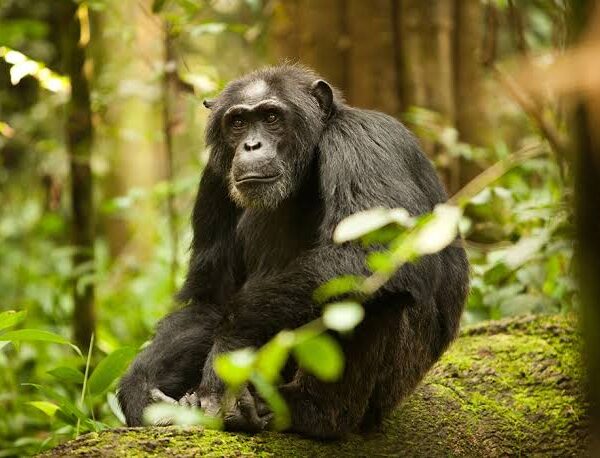
Chimpanzee Trekking in Uganda
Minimum Age Requirement
Chimpanzee trekking in Uganda has a minimum age requirement of twelve years old, applied consistently across the country’s main trekking destinations including Kibale Forest National Park, Budongo Forest, Kyambura Gorge, and Kalinzu Forest. This age threshold, notably lower than the fifteen year minimum required for mountain gorilla trekking, reflects a combination of factors including disease transmission considerations and the general physical and behavioural demands of the activity.
This rule is applied without exception, and any child below the minimum age will not be permitted to join a trek regardless of their apparent maturity, fitness, or enthusiasm, so families should plan realistically around this requirement when booking permits for younger travellers. It is always worth confirming the specific minimum age policy directly with your chosen park or operator at the time of booking, since minor variations in policy can occasionally occur between different trekking locations.
Health Requirements and Disease Prevention
Because chimpanzees share such a remarkably high proportion of their genetic material with humans, they are highly susceptible to human respiratory illnesses, including common colds, influenza, and other infectious diseases that might seem minor to a human visitor but can prove serious or even fatal to a wild chimpanzee community with no immunity to such pathogens. Protecting the chimpanzees from disease transmission is therefore one of the most important underlying principles behind Uganda’s chimpanzee trekking regulations.
Any visitor experiencing symptoms of a cold, flu, or other infectious illness on the morning of their scheduled trek is required to disclose this honestly to the park authorities and guides, and will typically be asked to refrain from trekking that day, sometimes with the option to reschedule depending on availability and the specific circumstances.
While this can be disappointing after considerable planning and expense, it is an essential and non-negotiable safeguard protecting one of the world’s most precious and vulnerable primate populations, and honest disclosure of any illness should always take priority over the disappointment of missing a trek.
Group Size and Permit Regulations
Chimpanzee trekking permits are issued for specific dates, times, and locations, and trekkers are organised into small groups, typically of no more than eight people, each accompanied by an experienced, trained park guide, a structure designed to limit the overall pressure and disturbance placed on any single chimpanzee community while ensuring a manageable, safety focused group size for the trek itself.
Each permit is valid only for the specific date and trekking session for which it was purchased, generally divided into a morning session beginning around seven thirty and, at some locations, an afternoon session, and rescheduling or transferring permits is generally difficult or impossible, so accurate advance planning around your intended travel dates is essential.
Permits should always be purchased through the Uganda Wildlife Authority directly or through a licensed, reputable tour operator, since purchasing through unofficial or unverified channels carries a genuine risk of fraud or invalid documentation that could result in being turned away on the day of your trek.
Rules During the Trek Itself
- Follow your guide at all times: guides are trained to navigate the forest safely and to read chimpanzee behaviour, so their instructions should be followed promptly and without argument.
- Stay together as a group: straying from the group increases both personal risk and the risk of unnecessarily disturbing wildlife.
- Keep noise to a reasonable minimum: loud talking or sudden noises can disturb chimpanzees and other forest wildlife before you even reach your target community.
- Wear appropriate footwear and clothing: sturdy, closed shoes and long trousers help protect against the forest’s uneven terrain, insects, and vegetation.
- Carry only permitted items: excessive or inappropriate equipment can slow the group and increase disturbance to the forest environment.
Rules During the Chimpanzee Encounter
Once your group successfully locates a chimpanzee community, a further specific set of rules governs your behaviour during the observation period itself, rules designed specifically to protect both the chimpanzees and the trekkers during this close, exciting, but genuinely wild encounter. Chimpanzees, unlike the generally calmer mountain gorillas, can be considerably more active, mobile, and occasionally displaying, making clear behavioural rules particularly important during this stage of the trek.
- Maintain a minimum distance of approximately eight metres from the chimpanzees at all times, adjusting further back if a guide instructs you to do so.
- Do not attempt to touch, feed, or otherwise interact physically with the chimpanzees under any circumstances.
- Remain calm and still if a chimpanzee approaches closer than the recommended distance, following your guide’s instructions precisely rather than reacting suddenly.
- Limit your observation time to the permitted one hour, or the extended period specifically permitted under a habituation experience permit.
- Avoid direct, prolonged eye contact with dominant individuals, which some primates may interpret as a challenge or threat.
- Do not eat or drink in the immediate presence of the chimpanzees, to avoid attracting their attention to food or altering their natural foraging behaviour.
Photography Rules
Photography is generally permitted and warmly encouraged during chimpanzee trekking, offering visitors the opportunity to capture lasting memories of this remarkable encounter, but strict rules govern how photography may be conducted to protect the chimpanzees from disturbance or distress.
As with mountain gorilla trekking, flash photography is strictly prohibited at all times during chimpanzee encounters, since sudden bright flashes can startle or distress the animals and potentially cause eye discomfort or damage with repeated exposure.
Visitors should ensure their camera’s flash function is disabled before entering the forest, test their equipment in advance to confirm this setting has been applied correctly, and be prepared to photograph in the frequently low light conditions typical of dense rainforest, which may require a higher ISO setting or a wider aperture rather than reliance on flash.
Video recording is generally also permitted under the same no-flash restrictions, and visitors should keep camera equipment reasonably discreet and avoid excessive noise from shutter sounds or equipment handling wherever practically possible.
Rules on Waste and Environmental Conduct
Uganda’s chimpanzee trekking regulations extend beyond direct interaction with the animals themselves to broader environmental conduct within the forest, reflecting the importance of protecting these fragile rainforest ecosystems for the long term benefit of both the chimpanzees and the wider biodiversity they share their habitat with. Visitors are required to carry out all litter and waste generated during their trek, leaving no trace of their visit within the forest.
Straying from designated trails without explicit guide permission, picking plants or disturbing vegetation unnecessarily, and any activity that could damage the forest environment are all prohibited, reflecting Uganda’s broader commitment to sustainable, low impact tourism within its protected areas. These environmental rules, while sometimes less immediately obvious than the direct animal interaction rules, are equally important to the long term health and viability of Uganda’s chimpanzee trekking destinations.
Special Rules for the Habituation Experience
Uganda’s extended chimpanzee habituation experience, available in Kibale and Budongo Forests, carries its own additional set of considerations beyond the standard trekking rules, reflecting the considerably longer duration and closer research context of this specialised activity. Because habituation participants spend up to a full day following a semi-habituated community alongside researchers, from the moment the chimpanzees wake in the morning through much of their daily routine, a higher level of physical fitness and stamina is generally expected.
Participants on a habituation experience should be prepared for a more physically demanding day than the standard one hour trek, including potentially rapid movement through difficult terrain to keep pace with an active, moving community, and should follow the same core behavioural principles, distance requirements, and photography restrictions throughout the entire extended encounter, with particular attention to maintaining quiet, unobtrusive behaviour given the research context of this specialised activity.
Why These Rules Matter
Every rule governing chimpanzee trekking in Uganda ultimately traces back to two fundamental and interconnected goals: protecting the chimpanzees themselves from disease, stress, and behavioural disruption, and ensuring the safety and quality of the experience for every visitor privileged enough to encounter them.
Chimpanzees are an endangered species facing genuine ongoing threats from habitat loss and, historically, disease transmitted through poorly regulated tourism, making these regulations a vital and non-negotiable part of responsible, sustainable wildlife tourism.
Understanding this deeper purpose transforms the rules from a simple checklist of restrictions into a meaningful framework that allows this extraordinary encounter to continue safely for generations of future visitors, while directly supporting the ongoing conservation of one of our closest living relatives.
Every trekker who follows these regulations faithfully plays a small but genuine part in protecting Uganda’s chimpanzee populations for the long term.