Packing List For a Uganda Walking Safari
July 21, 2026
Rules and Regulations for Chimpanzee Trekking in Uganda
July 21, 2026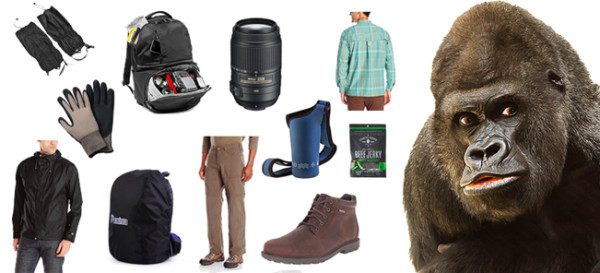
Packing List for Gorilla Trekking
Packing List for Gorilla Trekking is here to help you carry the right essential items. Gorilla trekking is one of the most thrilling and rewarding wildlife experiences on the planet, but it is also a genuine adventure into wild, rugged terrain, and being properly equipped makes all the difference between a comfortable, joyful trek and a cold, wet, miserable one.
Whether you are heading into Bwindi Impenetrable Forest in Uganda, the Volcanoes of Rwanda, or the Virunga in the Democratic Republic of Congo, the mountain gorillas live in dense, often steep and muddy rainforest at altitude, where the weather can change in minutes and the going can be tough. Packing the right clothing and gear is therefore essential, and this guide will make sure you arrive fully prepared.
The golden rule of gorilla trekking is to protect yourself from the elements and the environment: from rain, mud, cold, sun, thorns, stinging nettles, and biting insects, while remaining comfortable enough to enjoy the hike and the magical hour with the gorillas.
The forest is beautiful but demanding, and the right kit lets you focus on the experience rather than the discomfort. Because you will be hiking, often through thick vegetation, everything you wear and carry should be practical, protective, and comfortable, chosen with the specific conditions of the rainforest in mind.
This guide provides a complete packing list for gorilla trekking, covering clothing, footwear, essential gear, health items, and useful extras, along with advice on what to leave behind and practical tips for the trek. Whether you are planning your first gorilla trek or want to make sure you have not forgotten anything, here is everything you need to pack to be comfortable, safe, and ready for one of the greatest wildlife encounters on earth.
Clothing: Layers, Long, and Neutral
The right clothing is the foundation of a comfortable gorilla trek, and the guiding principles are to wear layers, cover your skin, and choose neutral colours. The forest can be cool in the early morning and warm and humid as you climb and exert yourself, so layers let you adjust.
Long sleeves and long trousers protect against nettles, thorns, insects, and scratches, and neutral, natural colours help you blend into the environment. Avoid bright colours, which can disturb wildlife, and steer clear of camouflage clothing, which is prohibited in some countries as it is reserved for military use.
What to Wear on the Trek
- Long-sleeved shirts: lightweight, breathable, long-sleeved tops protect your arms from nettles, thorns, and insects.
- Long trousers: durable, comfortable long trousers, ideally lightweight but tough, to protect your legs; avoid jeans, which are heavy and slow to dry.
- A light fleece or jumper: for warmth in the cool early morning and at altitude, easily removed as you warm up.
- A waterproof jacket: a lightweight, breathable rain jacket is essential, as rain can arrive at any time in the rainforest.
- Neutral, earthy colours: greens, browns, and khakis that blend in; avoid bright colours and prohibited camouflage patterns.
Dressing in these practical layers means you will be ready for whatever the forest and the weather throw at you, staying warm when it is cool, cool when it is warm, dry when it rains, and protected throughout. Quick-drying, breathable fabrics are far better than heavy cotton, which stays wet and cold once soaked.
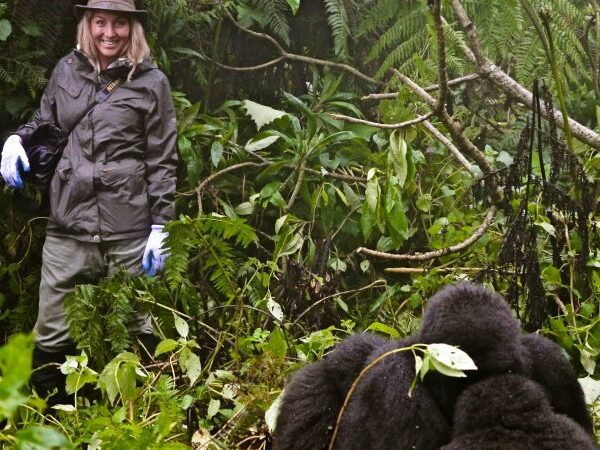
Packing List for Gorilla Trekking
Footwear: Your Most Important Kit
If there is one item to get right for gorilla trekking, it is your footwear, as you will be hiking over steep, slippery, muddy, uneven ground, and good boots are essential for both comfort and safety. The wrong shoes can turn a trek into a painful ordeal or even cause injury, so invest in and prepare the right footwear well before your trip.
- Waterproof hiking boots: sturdy, waterproof boots with good ankle support and aggressive grippy soles are essential for the muddy, uneven terrain.
- Broken-in boots: never wear brand-new boots on the trek; break them in beforehand to avoid painful blisters.
- Thick hiking socks: several pairs of good, cushioned hiking socks, ideally moisture-wicking, to keep feet comfortable and dry.
- Gaiters: highly recommended to keep mud, water, and insects out of your boots and to protect your lower legs in thick vegetation.
Hand and Skin Protection
The rainforest is full of thorns, stinging nettles, and rough vegetation that you will often need to grab for balance or push aside, so protecting your hands and skin is important and easily overlooked. A few simple items make the trek far more comfortable and prevent scratches and stings.
- Gardening or thick gloves: sturdy gloves protect your hands from thorns, nettles, and rough branches when gripping vegetation, one of the most valued items on a trek.
- Insect repellent: a strong repellent, ideally with DEET, to guard against mosquitoes, biting flies, and other insects in the forest.
- A hat: a wide-brimmed or peaked hat for sun protection in open sections and to keep rain and dripping vegetation off your face.
- Sunscreen: to protect exposed skin during open, sunny stretches, as the equatorial sun is strong even at altitude.
Daypack and Essential Gear
You will carry a small daypack on the trek with your water, camera, snacks, and other essentials, so choose a comfortable, practical pack and equip it well. Keeping the essentials to hand while a porter carries heavier items makes for a comfortable trek. Here is the key gear to bring.
- A comfortable daypack: a small, sturdy rucksack to carry your water, camera, snacks, and layers, ideally with a rain cover.
- Plenty of water: at least two litres, as trekking is thirsty work and staying hydrated is essential; a reusable bottle or hydration bladder is ideal.
- A camera: to capture the gorillas, ideally with a good zoom, but no flash, which is not permitted; bring spare batteries and memory cards.
- A waterproof cover or dry bag: to protect your camera, phone, and valuables from rain and moisture in the humid forest.
- Energy snacks: high-energy snacks such as nuts, energy bars, or dried fruit to keep you going on a long trek.
- A walking pole: a hiking stick or trekking pole is invaluable for balance on steep, muddy terrain; wooden sticks are often provided locally.
Health and Personal Items
A few health and personal items will keep you comfortable and prepared on the trek and throughout your trip. It is wise to carry these essentials, as you will be far from shops and facilities during the trek.
- Personal medications: any prescription medicines you need, plus antimalarial tablets, as gorilla regions are malaria areas.
- A small first-aid kit: including plasters for blisters, antiseptic, pain relief, and any personal essentials.
- Hand sanitiser and wet wipes: for hygiene in the forest, especially important given the need to protect gorillas from human germs.
- Tissues or toilet paper: useful to carry, as there are no facilities in the forest.
- A face mask: often required, as masks help protect the gorillas from human respiratory illnesses; check current rules and bring your own.
Documents and Practicalities
Beyond clothing and gear, remember the important documents and practical items you will need for the trek and your wider trip. Keeping these organised and safe ensures a smooth experience.
- Your gorilla permit: or confirmation of it, as this is required to trek; your operator usually handles this, but keep your details ready.
- Passport: needed for identity and age verification, and generally essential to carry when travelling.
- Cash: for tipping guides, rangers, and porters, and for any local purchases, ideally in small denominations.
- A watch: useful for keeping track of time on the trek.
- Binoculars: optional but wonderful for spotting other wildlife and birds along the way.
Why Hiring a Porter Is a Great Idea
One of the best decisions you can make on a gorilla trek is to hire a porter, and it is worth mentioning as part of your planning. For a small fee, a local porter will carry your daypack, help you over difficult terrain with a steadying hand, and make the whole trek far easier and more enjoyable, allowing you to focus on the experience rather than the exertion. Hiring a porter is not only practical but also a meaningful way to support the local community, providing valuable income and giving local people a direct stake in gorilla conservation and tourism.
Many porters are former poachers or community members for whom this work provides a vital livelihood and an incentive to protect the gorillas, so hiring one does real good. Even if you are fit and could manage alone, taking a porter is strongly encouraged for the help it provides and the community benefit it brings. It is a small cost for a big difference, both to your own comfort and to the people who live alongside the gorillas, and it is one of the simplest ways to make your visit a positive force. Always carry some cash to pay and tip your porter.
What Not to Bring or Do
Just as important as what to pack is knowing what to leave behind or avoid, as certain items and behaviours are unhelpful or prohibited on a gorilla trek. Keeping these in mind helps protect the gorillas and ensures a smooth experience.
- No flash photography: flash is not permitted, as it can disturb or distress the gorillas, so disable it on your camera and phone.
- Avoid camouflage clothing: military-style camouflage is prohibited in some countries, so choose plain neutral colours instead.
- Do not bring excessive bright colours: bright clothing can disturb wildlife, so keep to natural, earthy tones.
- Do not overpack your daypack: carry only what you need for the trek, and let a porter handle the rest, to keep the hike manageable.
- Do not bring food near the gorillas: eating and drinking near the gorillas is not allowed, so consume snacks away from them.
Pack Well, Trek Happy
Gorilla trekking is an unforgettable, once-in-a-lifetime experience, and packing the right clothing and gear is the key to enjoying it to the full, comfortable and prepared for the demands of the rainforest. With sturdy waterproof boots, protective layers in neutral colours, gloves for the nettles, a well-stocked daypack, and the health and practical essentials sorted, you will be ready to focus entirely on the magic of the trek and the profound joy of sitting among wild mountain gorillas. Preparation is what turns a potentially tough hike into a thoroughly enjoyable adventure.
Remember the golden rules: dress in layers, cover your skin, choose neutral colours, protect against rain and mud, hire a porter, and respect the rules that keep the gorillas safe.
Get your packing right, and nothing will stand between you and one of the greatest wildlife encounters on earth. Use this checklist to prepare with confidence, pack thoughtfully for the forest, and get ready for an adventure into the heart of gorilla country that you will treasure for the rest of your life. Pack well, trek happy, and enjoy every unforgettable moment with the gentle giants of the forest.