Top East Africa Safari Experiences for 2026
September 1, 2026
Why Go on a Safari to Kidepo Valley National Park?
September 1, 2026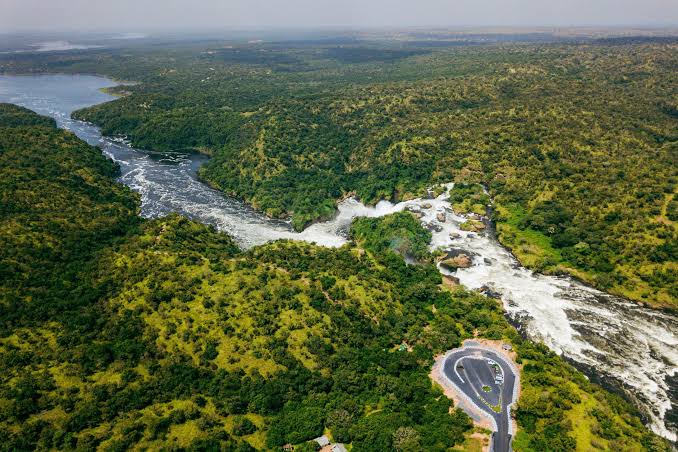
The Top 5 Things to Do in Murchison Falls National Park: Murchison Falls National Park is Uganda’s largest, oldest, and arguably most complete safari destination, a roughly 3,893-square-kilometer wilderness in the country’s northwest where the world’s most powerful waterfall, Africa’s longest river, and extraordinary concentrations of big game all converge within a single protected area.
The Victoria Nile splits the park cleanly in two as it flows east to west before thundering through a gorge barely seven meters wide and dropping some 43 meters in a violent, thunderous crash that gives the park its name and its centerpiece.
First-time visitors often arrive with a single image in mind, the falls themselves, and leave having discovered that Murchison offers a genuinely broad menu of experiences beyond that one dramatic sight.
As a travel consultant, I generally steer clients away from trying to squeeze every activity into a rushed one-night stop; the park rewards at least two to three nights, giving you time to properly experience its five signature activities without feeling like you’re racing the clock between the ferry crossing and the next game drive.
- The Nile Boat Cruise to the Base of the Falls
If you do only one activity in Murchison Falls, make it this one. The launch cruise along the Victoria Nile toward the base of the falls is consistently rated the park’s single most popular activity, and for good reason: gliding along the river delivers close, unhurried views of some of the largest hippo pods and Nile crocodile concentrations found anywhere in Africa, some of these crocodiles genuinely enormous, ancient-looking individuals that have lined these banks for decades.
Elephant and buffalo frequently come down to drink along the shoreline, and the birdlife along the route, including the prehistoric-looking shoebill stork in the right season, adds a further layer of reward for anyone with even a casual interest in birding.
The cruise typically departs from Paraa in the late morning or early afternoon and takes around three hours round trip, culminating in a dramatic approach to the base of the falls themselves, close enough to feel the spray and hear the full force of the Nile compressing through its narrow gorge.
A separate, quieter Nile Delta cruise heads the opposite direction, downstream toward where the river meets Lake Albert, and is specifically worth adding for dedicated birders chasing the shoebill and other wetland specialists that the base-of-falls route doesn’t always deliver as reliably.
- Hiking to the Top of the Falls
Where the boat cruise gives you the view from below, the hike to the top of the falls gives you the view that arguably matters more: standing directly above the point where the entire Victoria Nile forces itself through a gap barely seven metres wide before plunging into the gorge below.
It’s a genuinely visceral experience, the noise alone carries a considerable distance before you even reach the viewpoint, and the sheer volume of water being compressed through such a narrow channel is something photographs struggle to fully capture.
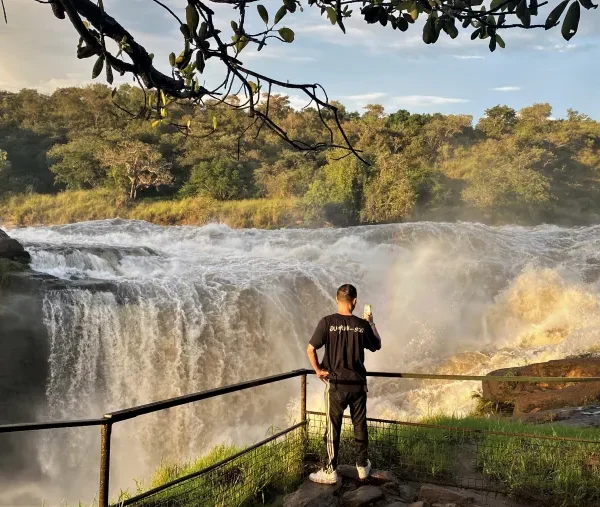
Hiking to top of the falls
Most visitors reach the top via a short drive followed by a walking trail, though it’s also possible to combine the boat cruise with a hike up from the base for those wanting the full sensory journey from water level to clifftop. Either way, sturdy footwear is worth packing specifically for this activity, since the paths near the falls can be uneven and slippery with spray, particularly during the wetter months.
- Game Drives on the Northern Bank
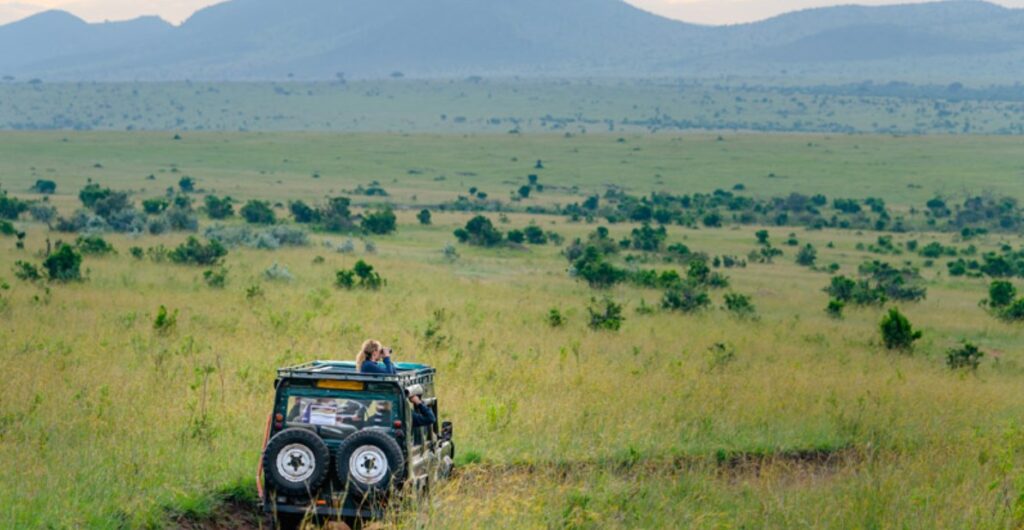
The park’s savanna game drives take place predominantly on the northern bank of the Nile, reached via a ferry crossing from Paraa that itself becomes part of the day’s rhythm and worth timing carefully with your lodge and guide.
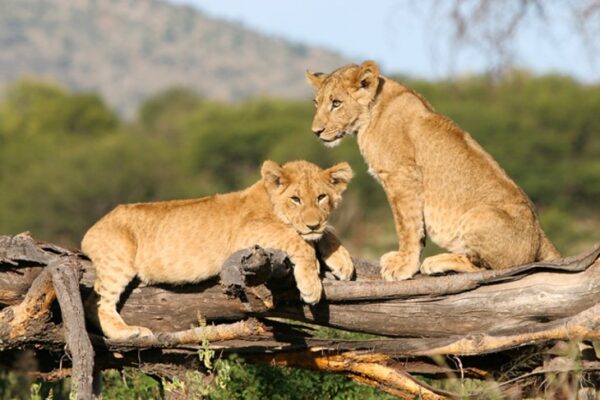
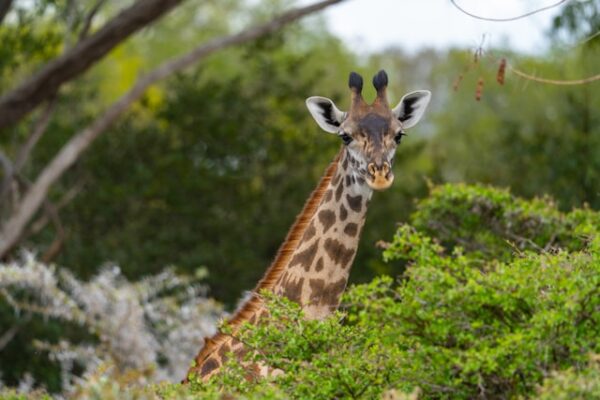
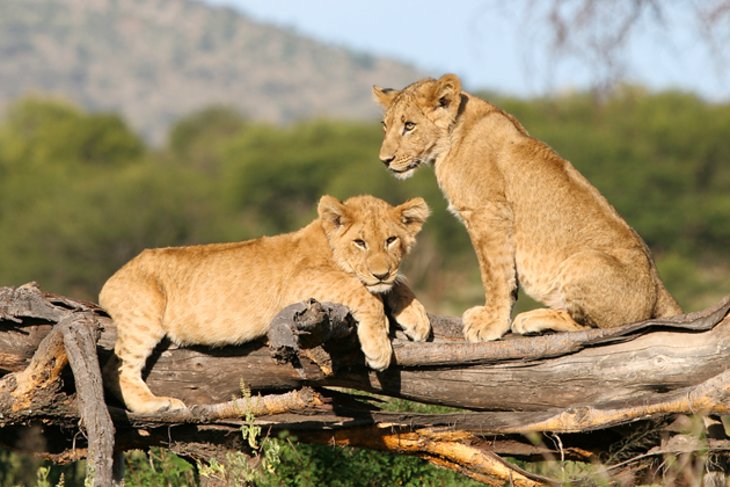
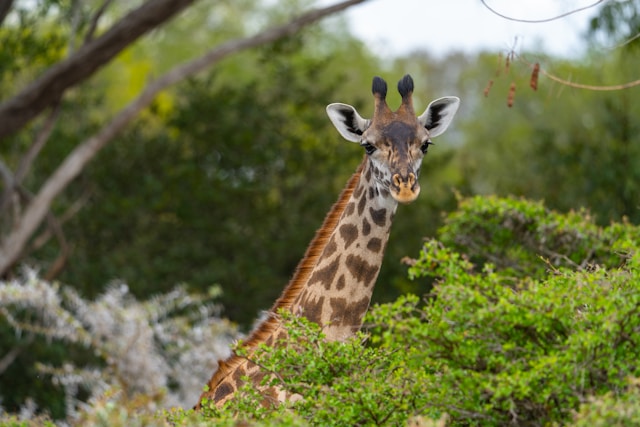
This is where Murchison delivers on its Big Game reputation: Rothschild’s giraffe, one of the most endangered giraffe subspecies and distinguishable by its cream-coloured lower legs with no markings below the knee, roam the open grassland in numbers that make for genuinely reliable sightings, alongside lion, leopard, buffalo, and elephant, four of the Big Five present within the park.
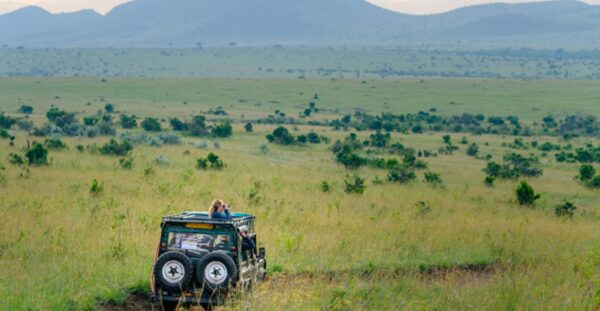
Uganda kob, the park’s most abundant antelope and the principal prey base sustaining its lion population, appear in large herds across the plains, and patient game drives regularly turn up waterbuck, Jackson’s hartebeest, oribi, warthog, bushbuck, and troops of olive baboon and vervet monkey. Morning and late-afternoon drives generally deliver the most active wildlife, and a full-day circuit across the northern sector gives a genuine sense of the park’s scale, considerably larger and less crowded than Uganda’s more compact parks further south.
- Chimpanzee Trekking in Budongo Forest
Adjacent to the main park, Budongo Forest holds more than 800 habituated chimpanzees across its research and tourism communities, making it one of Uganda’s premier chimpanzee trekking destinations and a natural addition to a Murchison itinerary rather than a separate trip entirely.
Treks here typically last two to four hours through genuine rainforest, considerably different terrain from the open savanna dominating the rest of the park, and the reward, spending an hour observing chimpanzees feeding, grooming, and moving through the canopy, is one of the most memorable primate encounters available in East Africa outside the mountain gorilla parks further south.
Budongo also rewards keen birders and forest walkers even without a chimpanzee sighting, given its genuinely rich understorey and canopy birdlife, and combining a Budongo trek with the savanna-focused activities elsewhere in Murchison gives visitors a genuinely complete cross-section of Uganda’s habitat diversity within a single park visit.
- Ziwa Rhino Sanctuary, En Route
Technically outside Murchison Falls National Park itself but sitting directly on the standard road route from Kampala, Ziwa Rhino and Wildlife Ranch has become such a natural stop for travelers heading to or from the park that it’s worth including as a genuine fifth activity rather than a mere detour.
Ziwa is home to Uganda’s only wild white rhinos, part of a dedicated reintroduction programme following the species’ local extinction decades ago, and the sanctuary offers guided rhino tracking on foot, walking to within a genuinely close, safe distance of grazing rhino under the guidance of an experienced ranger.
For most Murchison itineraries, a stop at Ziwa breaks up the roughly five-to-six-hour drive from Kampala into a genuinely worthwhile activity in its own right rather than simply a rest stop, and it rounds out a Murchison-focused trip with a species you otherwise wouldn’t see anywhere else on a standard northern Uganda circuit.
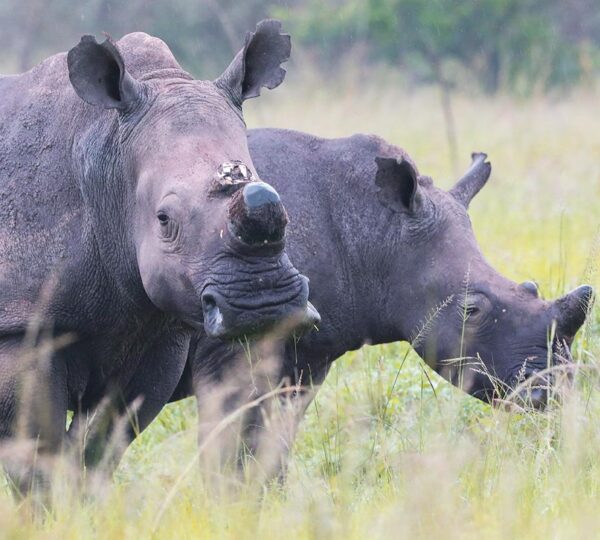
Ziwa Rhino Sanctuary
Other Activities Worth Knowing About
Beyond the five highlights above, Murchison offers a handful of further activities worth considering depending on your interests and time available. Sport fishing for Nile perch draws a dedicated following, with the river’s deep pools known for producing genuinely large specimens.
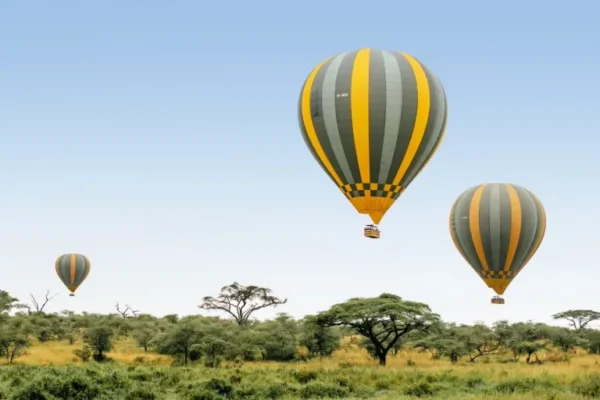
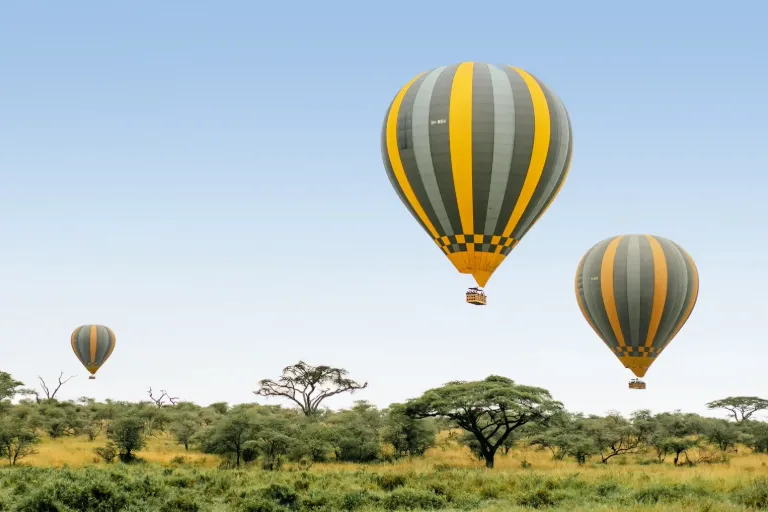
Hot air balloon flights over the park, though a newer and less established offering than in Kenya or Tanzania, provide a striking aerial perspective on the falls and surrounding savanna for those willing to book well ahead.
Guided nature walks and night drives, arranged through select lodges, offer a slower-paced, more detailed way to engage with the park’s smaller wildlife and nocturnal species that the standard game drives and boat cruises inevitably move past.
How to Structure Your Visit
| Trip Length | Recommended Focus |
| 1 Night / 2 Days | Boat cruise and one game drive; a genuinely rushed but workable taste of the park |
| 2 Nights / 3 Days | Boat cruise, top of the falls hike, and a full game drive circuit |
| 3+ Nights | All of the above, plus Budongo Forest chimpanzee trekking and a Ziwa stop en route |
Getting There and Practical Notes
Murchison Falls sits roughly five to six hours by road from Kampala, or a considerably shorter scheduled or chartered flight into Pakuba Airstrip within the park itself, a genuinely worthwhile upgrade for travelers short on time or combining Murchison with other parks on a multi-stop Uganda itinerary. Park entrance fees currently run around $40 per day for non-resident foreign visitors, with students at roughly half that rate, and total safari costs vary considerably depending on accommodation and activities chosen, from budget itineraries starting around $450 per person for a short trip to considerably higher rates for luxury lodge-based safaris.
The ferry crossing at Paraa, connecting the park’s southern and northern banks, runs on a fixed schedule that shapes the rhythm of any Murchison stay, and a good guide or lodge will build your day’s activities around its timing rather than leaving you waiting at the crossing. Notable past visitors to the park have included Winston Churchill, Theodore Roosevelt, and Ernest Hemingway, a detail that speaks to just how long Murchison has held its place among Africa’s great wilderness destinations.
Best Time to Visit
Murchison Falls is a genuinely year-round destination, though the dry seasons, roughly December through February and June through September, offer the easiest road conditions and the most concentrated wildlife viewing as animals gather around the Nile and remaining water sources. The wetter months bring lush, dramatically green scenery and excellent birdlife, along with noticeably lower rates and fewer visitors, though certain roads within the park can become more difficult to navigate during the heaviest rains.
For chimpanzee trekking specifically in Budongo Forest, the dry months make for firmer, more comfortable walking underfoot, though tracking remains possible year-round given the community’s habituation. Birders chasing the shoebill on the Nile Delta cruise often find the driest months most productive, when water levels concentrate the birds more predictably along accessible stretches of the delta’s edge.
Combining Murchison Falls With the Rest of Uganda
Murchison’s position in Uganda’s northwest makes it a natural anchor for a wider itinerary rather than a standalone destination. Many travelers combine it with Kibale National Park further south for additional chimpanzee trekking, Queen Elizabeth National Park for the Kazinga Channel boat cruise and tree-climbing lions, Bwindi Impenetrable National Park for mountain gorilla trekking, or, for the truly adventurous, remote Kidepo Valley National Park in Uganda’s far northeast, one of the continent’s most genuinely off-the-beaten-path safari destinations.
Because Murchison sits at a genuine crossroads of Uganda’s northern and western safari circuits, it’s worth discussing your full itinerary with an experienced consultant before finalizing dates, since the sequencing and driving distances between these parks can meaningfully affect how much time you actually spend on safari activities versus in transit.
Frequently Asked Questions
How many days do I need at Murchison Falls National Park?
A minimum of two nights allows you to properly experience the boat cruise, the top of the falls hike, and a game drive without feeling rushed. Three or more nights lets you add Budongo Forest chimpanzee trekking and a proper stop at Ziwa Rhino Sanctuary en route.
Is the boat cruise or the top of the falls hike better?
They’re genuinely complementary rather than competing experiences. The boat cruise delivers close wildlife viewing along the river and a dramatic approach to the base of the falls, while the hike to the top offers the more visceral, powerful view directly above the gorge. Most itineraries include both.
Can I see chimpanzees and gorillas on the same Uganda trip that includes Murchison Falls?
Yes. Budongo Forest, adjacent to Murchison itself, offers excellent chimpanzee trekking, and Uganda’s mountain gorilla parks, Bwindi Impenetrable and Mgahinga, sit further south and are commonly combined with a Murchison Falls safari on a longer, multi-park itinerary.
How do I get to Murchison Falls National Park?
Most visitors travel by road from Kampala, a journey of roughly five to six hours, often broken up with a stop at Ziwa Rhino Sanctuary. A scheduled or chartered flight into Pakuba Airstrip within the park offers a considerably faster alternative.
What is the best time of year to visit Murchison Falls?
The dry seasons, December through February and June through September, offer the most concentrated wildlife viewing and easiest road conditions, though Murchison remains a rewarding destination throughout the year given its size and habitat diversity.