The Top 5 Things to Do in Murchison Falls National Park
September 1, 2026
Where to Stay in Bwindi for Gorilla Trekking
September 1, 2026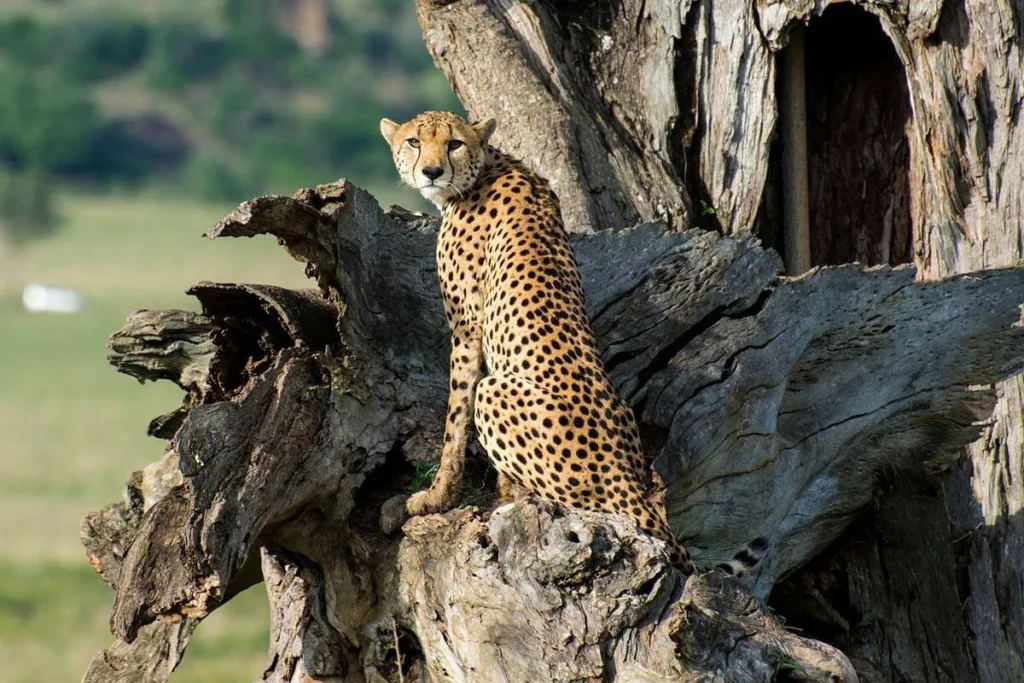
Why Go on a Safari to Kidepo Valley National Park? Kidepo Valley National Park is Uganda’s most remote and least explored national park, and yet it’s widely regarded, including by National Geographic, as one of Africa’s most spectacular wilderness areas.
Tucked into the semi-arid Karamoja region of Uganda’s far northeast, bordering South Sudan and sitting just five kilometers from Kenya, Kidepo demands a genuine commitment to reach roughly 700 kilometers from Kampala by road and rewards that commitment with landscapes and wildlife found nowhere else in the country.
As a travel consultant, I recommend Kidepo specifically to clients who’ve already experienced Uganda’s more accessible parks and want genuine solitude, or to adventurous first-time travelers who prioritize authenticity and rare wildlife over maximum convenience. It’s honestly not the right choice for every traveler, but for the right one, it delivers an experience unlike anywhere else in East Africa.
A Park Defined by Genuine Remoteness
First gazetted as a game reserve in 1958 and upgraded to national park status in 1962, making it one of Uganda’s oldest protected areas, Kidepo covers roughly 1,442 square kilometers of rugged hills, vast golden savanna, and semi-arid valleys dominated by the 2,750-meter Mount Morungole.
The park’s very remoteness, which keeps visitor numbers genuinely low even by Uganda’s already uncrowded standards, is precisely what makes a Kidepo safari feel like a genuine wilderness expedition rather than a conventional tourist activity.
This isn’t the easiest safari destination in Uganda, and that’s honestly part of its appeal. Travelers willing to embrace rugged travel, less luxurious accommodation options, and the genuine variability that comes with a less-developed tourism infrastructure find Kidepo unforgettable, while those seeking maximum comfort and guaranteed high-volume sightings will find easier, more accessible parks elsewhere in the country.
Wildlife Found Nowhere Else in Uganda
Kidepo’s wildlife and vegetation carry a genuinely different character from the rest of Uganda, closer in feel to Kenya’s arid northern reserves than to the country’s more typical rainforest and savanna parks. The park hosts rare carnivore species found in no other part of Uganda, including caracal, aardwolf, striped hyena, black-backed jackal, and bat-eared fox, alongside the country’s most reliable cheetah sightings and healthy populations of lion, leopard, and African wild dog.
Unique ungulate species round out Kidepo’s distinctive wildlife list: greater and lesser kudu, Chandler’s mountain reedbuck, beisa oryx, roan antelope, and the common eland, the world’s second-largest savanna and plains antelope, none of which appear with any reliability elsewhere in Uganda.
With more than 77 recorded mammal species overall and elephant and thousands-strong buffalo herds adding further scale to the wildlife viewing, Kidepo genuinely rivals East Africa’s more famous parks for raw wildlife diversity, just without the crowds.
One of Africa’s Great Birding Destinations
Kidepo’s bird list runs to somewhere between 463 and 476 confirmed species depending on the specific survey, an extraordinary count reflecting the park’s position at a genuine ecological crossroads. Notable species include ostrich, kori bustard, secretary bird, several bee-eater species, Abyssinian ground hornbill, and the Karamoja apalis, one of roughly seventeen bird species found nowhere else in Uganda. Of 56 recorded raptor species, 14, including Verreaux’s eagle, Egyptian vulture, and pygmy falcon, are considered endemic to the wider Kidepo and Karamoja region.
Because no comprehensive ornithological survey of the park has ever been completed, visitors genuinely stand a reasonable chance of contributing new sightings to the park’s still-growing species list, a rare and appealing prospect for serious birders.
Wildlife Viewing at Genuinely Close Range
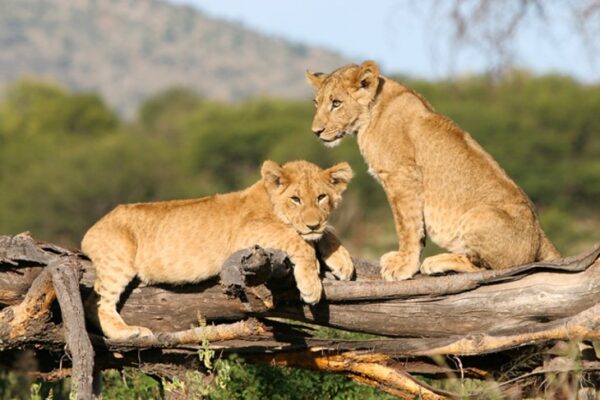
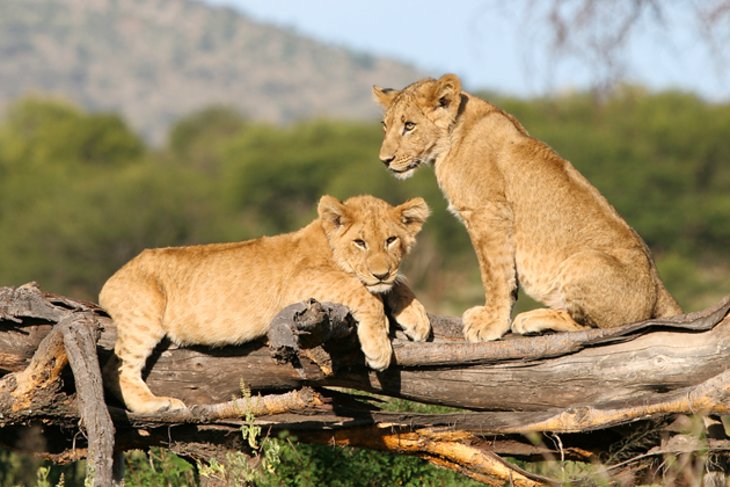
One of Kidepo’s most distinctive features is how comfortable its wildlife has become around the park’s limited tourist infrastructure. Animals here are often content to feed and rest near tourist camps, and it’s genuinely common to see lions lounging on rocky outcrops close to Apoka Safari Lodge, offering what many describe as a kind of armchair safari, where meaningful wildlife viewing happens without needing to travel far at all. The Narus Valley in particular functions as a natural oasis within the surrounding semi-arid Karamoja landscape, drawing wildlife reliably to its water sources and making it the park’s primary game-viewing area.
Authentic Karamojong and Acholi Cultural Encounters
Kidepo’s surrounding communities, the Karamojong and Acholi peoples, maintain traditions that remain largely intact and genuinely unaltered by mass tourism, a real contrast to more commercialized cultural experiences elsewhere. Guided cultural visits offer insight into traditional local dance, fishing practices, and craft-making, and travelers consistently describe these encounters as feeling considerably more authentic than similar experiences at more heavily visited parks.
Getting There
The most practical way to reach Kidepo is by scheduled or chartered flight, given the considerable road distance involved. Driving is also possible, with the most direct route running through Gulu to Lokumoit Gate, taking roughly ten hours, a journey commonly broken up with an overnight stop at Ziwa Rhino Sanctuary, Gulu, or Kitgum along the way.
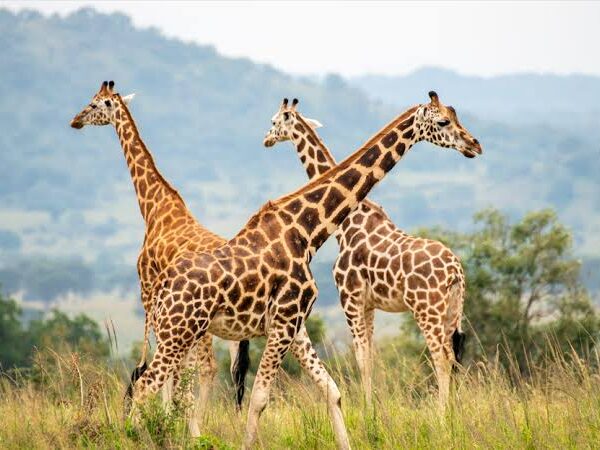
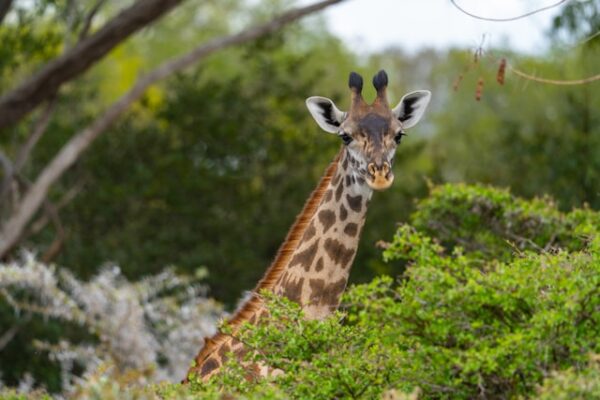
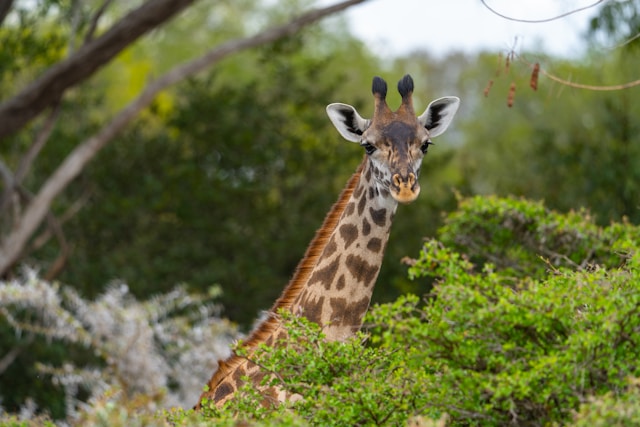
Giraffes in Kidepo
Two longer, more remote routes pass through the wider Karamoja subregion itself, arriving via Nataba Gate, and offer their own genuine adventure for travelers with the time and appetite for a longer overland journey.
What to Expect and How to Plan
Accommodation options around Kidepo span budget, mid-range, and luxury tiers, though the overall infrastructure remains considerably more limited than at Uganda’s more visited parks, worth factoring into expectations before booking.
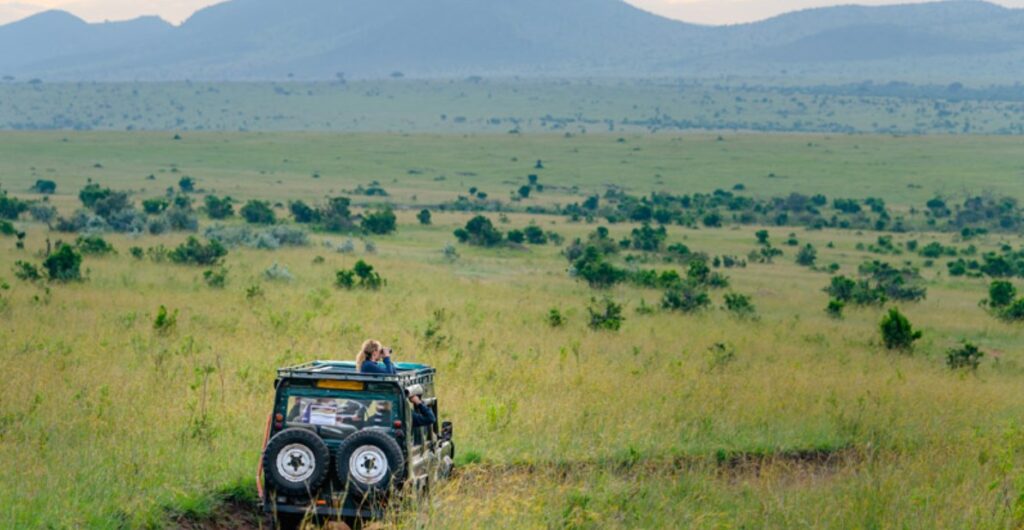
A minimum of three nights is genuinely recommended given the effort required to reach the park, allowing time for proper game drives across both the Narus and Kidepo valleys, a guided hike up Mount Morungole, and at least one cultural visit to a nearby community.
Given Kidepo’s remote location and the honest trade-offs involved, ruggedness in exchange for genuine solitude and rare wildlife, discussing your specific expectations candidly with a travel consultant before booking helps ensure the trip matches what you’re actually looking for.
Frequently Asked Questions
How remote is Kidepo Valley National Park?
Genuinely remote. It sits roughly 700 kilometres from Kampala by road, in Uganda’s far northeastern Karamoja region, bordering South Sudan and close to Kenya. Most visitors reach it by scheduled or chartered flight rather than driving.
What makes Kidepo’s wildlife different from the rest of Uganda?
Kidepo hosts rare carnivore species found nowhere else in the country, including caracal, aardwolf, striped hyena, and bat-eared fox, alongside unique ungulates like kudu, beisa oryx, and roan antelope, reflecting its ecological connection to Kenya’s arid northern reserves.
Is Kidepo worth visiting given how remote it is?
For travelers seeking genuine solitude, rare wildlife, and an authentic wilderness experience, yes, consistently and enthusiastically. For those prioritizing maximum comfort and guaranteed high-volume sightings with minimal travel effort, Uganda’s more accessible parks may be a better fit.
How many days should I spend at Kidepo?
A minimum of three nights is recommended, given the effort required to reach the park, allowing time for proper game drives, a Mount Morungole hike, and a cultural visit.
Is Kidepo good for birdwatching?
Exceptionally so, with somewhere between 463 and 476 recorded species, including several found nowhere else in Uganda, making it one of the country’s premier birding destinations despite its remoteness.