What to Expect on a Gorilla Safari
July 22, 2026
Where to Go for Game Drive Tours in Uganda
July 22, 2026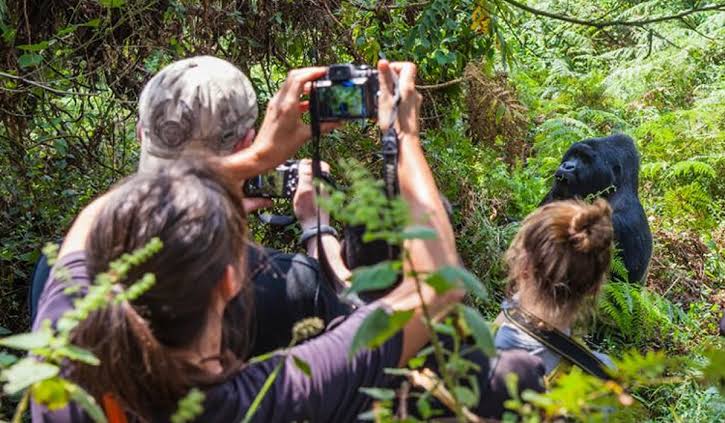
Where to Go for Photography Safaris in Uganda?
Where to Go for Photography Safaris in Uganda? Uganda offers a photographer’s dream of a country, an extraordinary combination of dramatic landscapes, rich wildlife, and warm, characterful people that together provide an almost limitless range of subjects for anyone travelling with a camera.
From the intimate, emotionally charged portraits possible during a gorilla trek in the misty forests of Bwindi to the golden light of a savannah sunrise silhouetting acacia trees in Queen Elizabeth National Park, and the thundering power of Murchison Falls captured in a long exposure, Uganda rewards photographers with subjects and lighting conditions found in relatively few other African destinations within a single, compact country.
What makes Uganda particularly appealing for photography specifically, beyond the sheer variety of its subjects, is the comparatively lower visitor density found in many of its parks relative to more heavily touristed destinations elsewhere in East Africa, offering photographers more breathing room, better vehicle positioning, and generally calmer, less crowded sightings from which to compose considered, unhurried images.
Add to this the extraordinary intimacy of primate photography, virtually unique to Uganda, Rwanda, and Congo among safari destinations, and it becomes clear why an increasing number of dedicated wildlife and travel photographers are choosing Uganda as their African photography destination of choice.
This guide explores the best destinations for photography safaris in Uganda, covering the country’s premier parks and forests for wildlife, landscape, and primate photography, along with practical advice on gear, light, gorilla and chimpanzee photography rules, and how to plan an itinerary specifically optimised for capturing exceptional images.
Photography safaris in Bwindi
Whether you are a dedicated professional planning a serious photographic expedition or simply an enthusiastic amateur wanting to bring home extraordinary images from your Ugandan safari, here is a complete guide to photographing the Pearl of Africa.
Bwindi Impenetrable Forest:
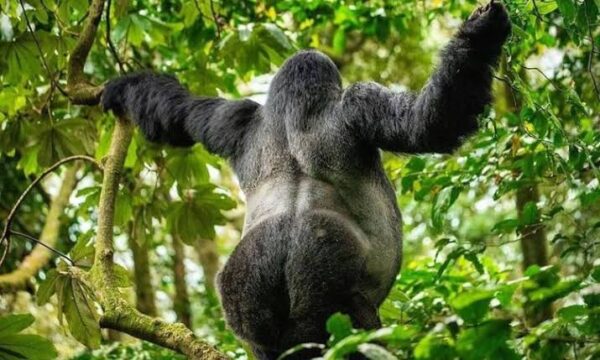
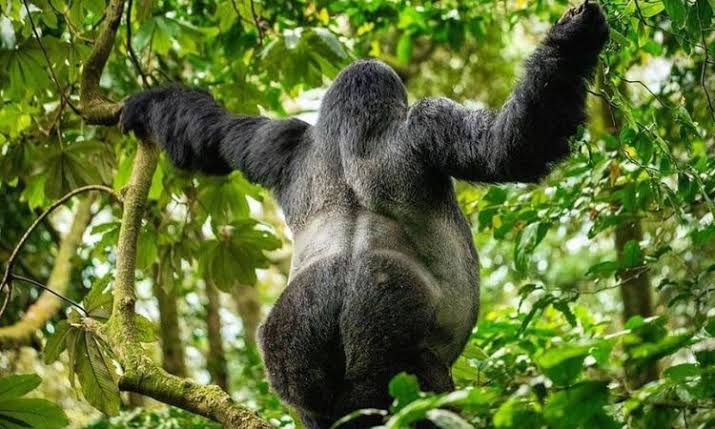
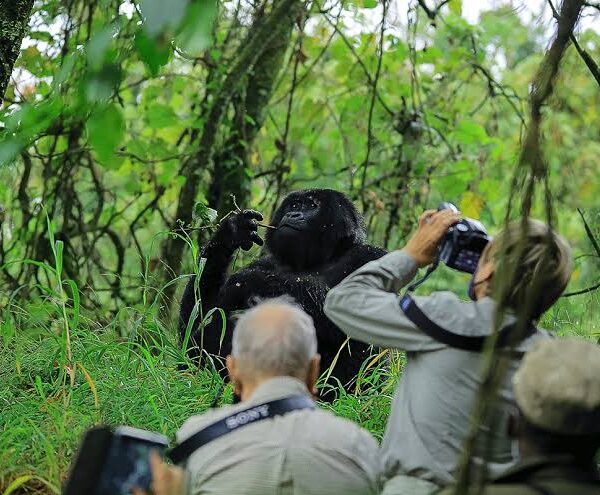
For photographers, few subjects anywhere in the natural world compare to the profound, intimate portraiture possible during a mountain gorilla trek in Bwindi Impenetrable Forest, where a strictly limited hour spent within metres of a wild gorilla family offers extraordinary opportunities to capture expressive faces, tender family interactions, and the sheer physical presence of these magnificent animals.
The forest’s dim, dappled light presents genuine technical challenges, but also produces atmospheric, moody images quite different in character from the bright, open light typical of savannah photography.
Because flash photography is strictly prohibited during gorilla encounters, to protect the animals from disturbance and eye damage, photographers must be prepared to shoot at higher ISO settings and wider apertures than they might typically use, making a fast lens and a camera body capable of clean high ISO performance particularly valuable assets for this specific environment.
The reward for working within these constraints is a collection of images unlike almost anything else available to a wildlife photographer anywhere on earth, capturing a level of primate intimacy and emotional connection that few other subjects on the planet can match.
Kibale Forest:
Kibale National Park, celebrated as the primate capital of the world, offers photographers a wonderfully different primate photography experience compared with the calmer, more static gorilla encounters of Bwindi, since chimpanzees are considerably more active, mobile, and dramatically expressive, offering dynamic action shots of feeding, grooming, playing, and occasional dramatic displays of dominance among community members.
This energy and unpredictability makes chimpanzee photography in Kibale a genuinely exciting and rewarding technical challenge.
Because chimpanzees move quickly and often remain partially obscured within thick forest canopy, a longer telephoto lens paired with a fast shutter speed helps freeze their rapid movements and capture the fleeting, expressive facial gestures for which chimpanzees are so photogenic.
Patient photographers willing to wait quietly near a resting or feeding group are often rewarded with the kind of natural, unposed behavioural images that distinguish memorable wildlife photography from simple record shots, making Kibale an essential stop for any Ugandan photography itinerary focused on primates.
Queen Elizabeth National Park:
Queen Elizabeth National Park offers perhaps the widest variety of photographic subjects and settings anywhere in Uganda, combining classic savannah scenes of elephants, buffaloes, and antelope against dramatic backdrops with the genuinely unique photographic opportunity presented by the Ishasha sector’s famous tree climbing lions, entire prides draped languidly across the branches of large fig trees, a sighting found in remarkably few other places on the African continent and one that consistently produces striking, highly memorable images.
The park’s celebrated Kazinga Channel boat cruise offers a further outstanding photographic setting, bringing photographers remarkably close to hippos, crocodiles, and dense concentrations of water birds along the shoreline, often in beautiful golden hour light as the boat cruises during the late afternoon.
The combination of open savannah, dramatic crater lake scenery, and the channel’s rich birdlife within a single, easily explored park makes Queen Elizabeth an essential and endlessly rewarding destination for any Ugandan photography safari.
Murchison Falls:
Murchison Falls National Park offers Uganda’s most dramatic landscape photography opportunity, centred on the thunderous falls themselves, where the entire volume of the Victoria Nile is forced through a gorge just a few metres wide before plunging into the valley below, creating a scene of tremendous power and visual drama that rewards photographers willing to experiment with both fast shutter speeds to freeze spray and slower exposures to capture the silky, flowing motion of the water.
Beyond the falls themselves, the park’s Nile boat cruise offers superb wildlife photography opportunities, bringing photographers close to elephants, hippos, crocodiles, and the elusive, prehistoric-looking shoebill stork, one of Africa’s most sought after and photogenic bird species, while game drives across the park’s northern and southern sectors provide classic savannah subjects including giraffes, lions, and substantial elephant herds, often photographed beautifully against the vast, open Murchison Falls landscape and dramatic equatorial skies.
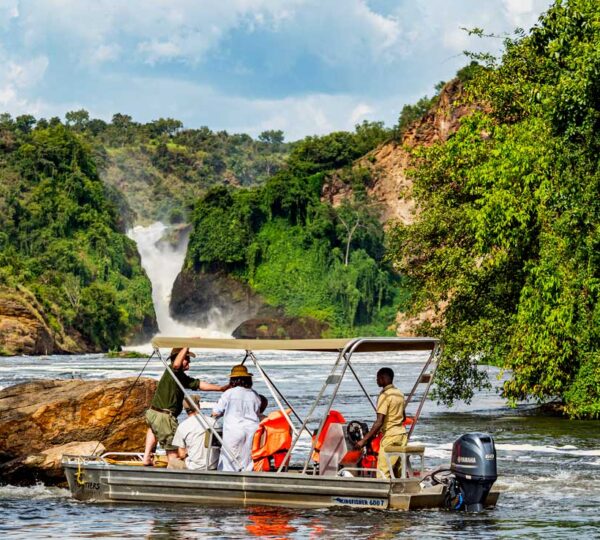
Murchison Falls
Kidepo Valley:
For photographers seeking genuinely uncrowded, dramatic wilderness scenes away from the vehicle congestion sometimes found at popular sightings in more visited parks, remote Kidepo Valley National Park in Uganda’s far northeastern corner offers an exceptional and increasingly sought after photographic destination.
The park’s rugged mountain backdrops, wide open plains, and generally low visitor numbers combine to create conditions in which photographers can spend extended, unhurried time at sightings without the pressure of competing vehicles.
Kidepo’s dry season landscapes, with wildlife concentrated dramatically around scarce remaining water sources against a backdrop of distant mountain ranges, produce genuinely striking and distinctive images quite different in character from Uganda’s more familiar southwestern circuit, while the park’s cheetahs, found in few other Ugandan parks, offer an additional exciting subject for dedicated wildlife photographers willing to make the journey to this remote and rewarding corner of the country.
Lake Mburo and Rwenzori:
Beyond the headline wildlife parks, Uganda offers further rewarding photographic subjects for those willing to explore its diverse landscapes and cultures more broadly.
Lake Mburo National Park’s compact scale and open savannah, combined with the rare opportunity to photograph wildlife from a bicycle or on foot rather than exclusively from a vehicle, offers unusually intimate and creative composition possibilities for photographers seeking a different perspective on classic savannah subjects such as zebras and impalas.
The Rwenzori Mountains, meanwhile, present an entirely different photographic character, their otherworldly, mist-shrouded landscapes of giant lobelias, heather moorland, and, for those reaching the higher elevations, genuine glaciers and snow on the equator, offering landscape photographers a truly unique and rarely photographed African subject.
Similarly, Uganda’s cultural diversity, from the royal traditions of the Buganda Kingdom to the vibrant, colourful traditional dance performances found throughout the country, provides rich opportunities for portrait and cultural photography that add valuable human depth to a wildlife focused Ugandan photography itinerary.
Understanding Uganda’s Light and Seasons for Photography
Light is the single most important factor in successful photography, and understanding Uganda’s seasonal and daily light patterns helps photographers plan both their overall trip timing and their daily shooting schedule for the best possible results.
As with wildlife viewing generally, the two dry seasons, from June to September and from December to February, offer the clearest skies and most reliable conditions for photography, though the wetter months bring their own dramatic, moody cloud formations and lush, vividly green landscapes that many photographers find equally compelling.
Within each day, the golden hours immediately after sunrise and before sunset offer by far the most flattering, warmly toned light for both wildlife and landscape photography, with the low angle of the sun creating longer shadows, richer colours, and a generally more three dimensional, atmospheric quality to images than the harsh, flat light typical of midday.
Scheduling game drives specifically around these golden hours, rather than treating photography as incidental to a standard daytime schedule, makes a significant difference to the overall quality of images captured during a Ugandan photography safari.
Essential Gear for a Uganda Photography Safari
- A telephoto zoom lens: something in the range of 100 to 400 millimetres or longer is invaluable for both savannah wildlife and primate photography from a safe, respectful distance.
- A wide angle lens: essential for capturing Uganda’s dramatic landscapes, from Murchison Falls to the vast plains of Kidepo Valley.
- A camera body with strong high ISO performance: particularly important for the low light conditions typical of forest primate photography where flash is prohibited.
- A sturdy but portable tripod or beanbag: useful for stabilising longer exposures, particularly for landscape and low light forest photography.
- Plenty of memory cards and spare batteries: charging opportunities can be limited in remote lodges and camps, so bring more capacity than you think you will need.
- A rain cover or dry bag for your equipment: essential given Uganda’s genuine potential for rain in virtually any season, particularly in forest environments.
- A comfortable camera bag suited to bumpy travel: safari vehicles and, for gorilla trekking, forest trails involve considerable jostling, so well padded, secure storage matters.
Photography Rules and Etiquette During Primate Trekking
Photographing gorillas and chimpanzees during a Ugandan primate trek comes with specific, important rules designed to protect the animals, and understanding and respecting these rules is essential for any photographer planning to capture images during these encounters.
The most important of these rules is the absolute prohibition on flash photography, which can startle, distress, or potentially harm the eyes of habituated primates accustomed to natural light conditions.
Beyond the flash prohibition, photographers must maintain the required distance from the animals at all times, generally around seven to ten metres, meaning a telephoto lens is essential rather than optional for capturing detailed, frame filling images, and sudden movements or loud shutter sounds should be minimised wherever possible to avoid disturbing the animals during this precious and strictly limited encounter. Respecting these rules, rather than prioritising a particular shot above the wellbeing of the animals or the experience of fellow trekkers, remains an essential part of responsible primate photography in Uganda.