Ultimate Guide to an African Safari in Kenya
July 21, 2026
Luxury African Safaris in Tanzania
July 21, 2026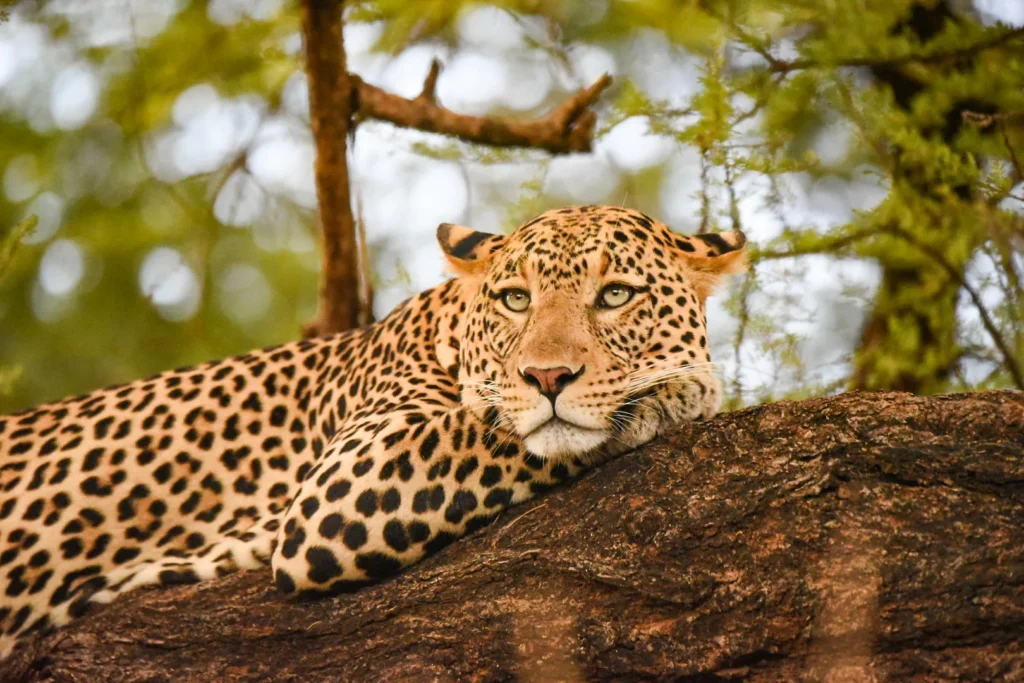
Best Time to Visit Kenya for a Safari
Best Time to Visit Kenya for a Safari; Kenya also has diversity within its safari circuit that visitors who have done the Mara and nothing else have not fully seen. The landscape in Samburu is completely different from the Mara: semi-arid northern bush country where dust devils move across red laterite plains and the animals look unlike anything in the south.
Amboseli gives Africa’s most photographed elephant view: bulls with tusks crossing salt flats with Kilimanjaro’s white peak behind them. Lake Nakuru in the Rift Valley holds tree-climbing lions, rhinos, and when the conditions are right, the pink edge of thousands of flamingos at the lake’s shore.
Kenya also pioneered the private conservancy model that now represents the most progressive form of wildlife conservation in East Africa. The conservancies adjacent to the Masai Mara, run by Maasai community landowners who lease their land for safari tourism, have expanded the effective wildlife range of the reserve by hundreds of thousands of hectares.
In the conservancies, off-road driving is permitted, night drives are allowed, and vehicle density is a fraction of the core reserve. The best Kenya safari experiences today happen in the conservancies, and understanding the difference between the reserve and a conservancy is one of the most useful things a first-time visitor can learn.
July to October — Great Migration and Peak Season
The July to October period is Kenya’s peak safari season and the window for the Great Migration and Mara River crossings. Dry season conditions produce shorter grass, better wildlife visibility, and firm tracks. The downside is the concentration of visitors: the Masai Mara in August is one of the most vehicle-dense safari experiences in Africa. Staying in a conservancy, choosing a camp with a low guest-to-vehicle ratio, and booking nine to twelve months in advance addresses most of these issues.
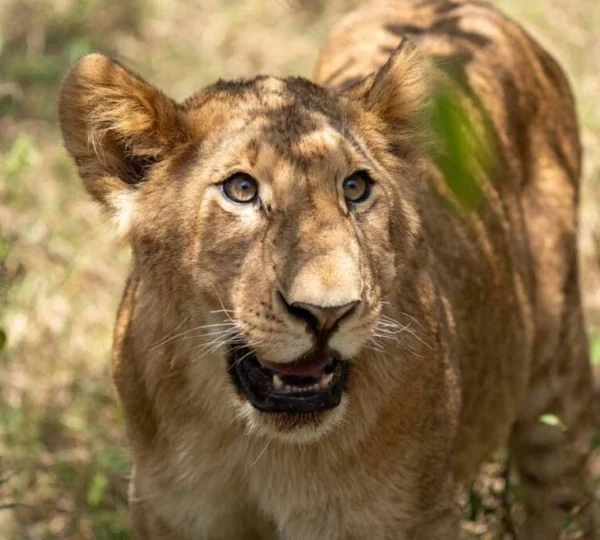
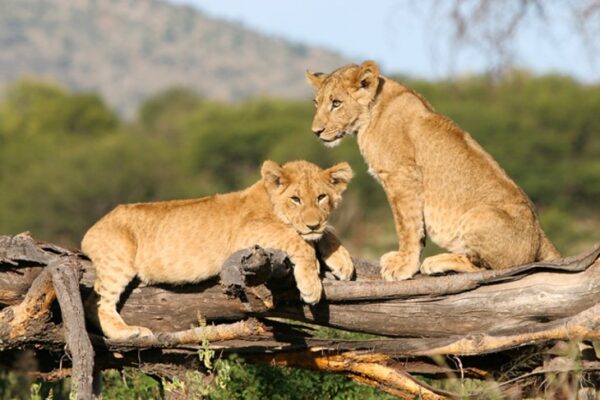
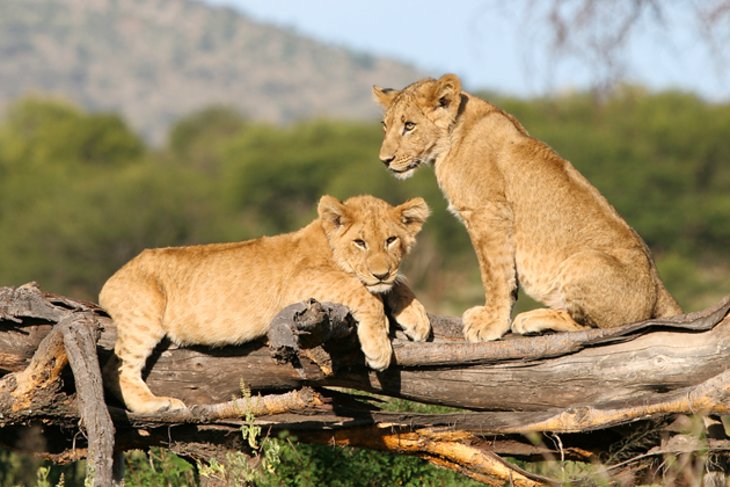
Lion in Maasai Mara
January and February — Best Predator Activity Outside Migration
January and February are considered by experienced Kenya operators to be among the finest months for predator viewing in the Masai Mara outside the Great Migration.
Wildebeest are calving on the Serengeti plains, driving exceptional hunting behaviour by the Mara’s resident lions, cheetahs, and leopards. Vehicle numbers are lower than peak season. The weather is warm, sunny, and dry. For visitors who want big cat action rather than the wildebeest spectacle, these months often outperform August for the quality and closeness of predator encounters.
The Wet Season — March to June and November
The long rainy season from March to May brings heavy afternoon showers that can make some park tracks difficult and thicken the grass. Accommodation prices drop significantly and some camps close entirely in April. The landscape is extraordinarily green and birdwatching is exceptional. November to December is a shorter, lighter wet period with lower prices and broadly acceptable conditions.
Month-by-Month Summary
- January to February: Dry, warm, excellent predator activity, moderate visitor numbers, recommended for non-migration visitors
- March to May: Long rains, heavy April showers, lush landscape, lower prices, some camps closed
- June: Rains easing, migration beginning to move north, good value
- July to September: Peak migration and river crossings, highest prices and most crowded — book nine to twelve months ahead
- October: Late migration, herds moving south, good crossings with fewer vehicles than August
- November to December: Short rains, lower prices, migration returning south, resident wildlife excellent
Kenya Safari Activities
Game Drives
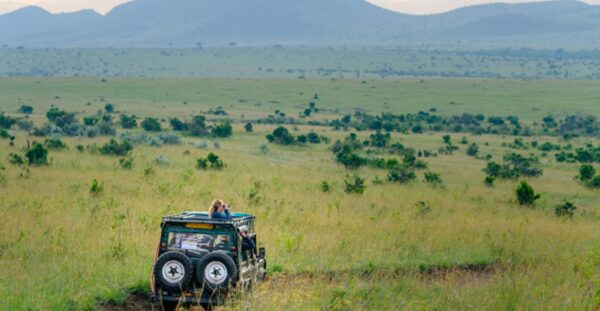
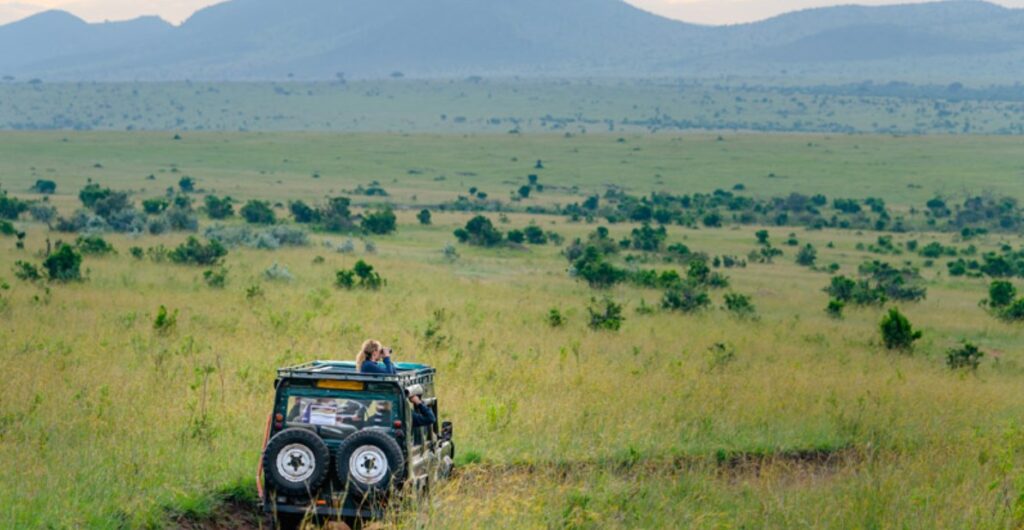
The standard game drive structure involves early morning departures around 6:30 AM, returning for breakfast at 9:00 or 10:00 AM, a midday rest, and an afternoon drive from around 4:00 PM to sunset. This structure works well for big cat viewing but is not optimal for river crossings, which most commonly happen mid-morning. Experienced Mara guides often extend morning drives or skip the midday break when a crossing looks imminent.
Hot Air Balloon Safari
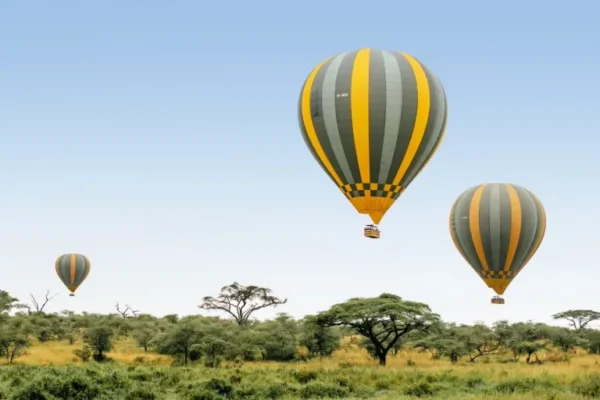
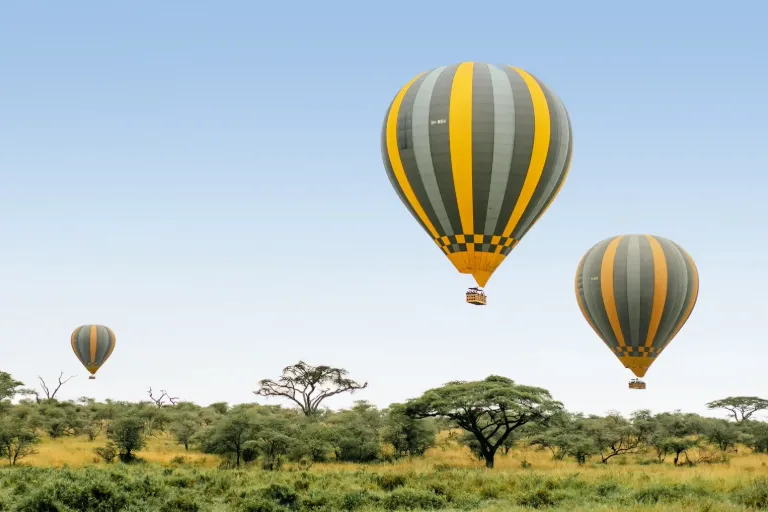
The hot air balloon safari over the Masai Mara at dawn is one of Kenya’s most iconic experiences. Balloons launch at first light, drift for approximately one hour over the plains, and land for a champagne breakfast in the field.
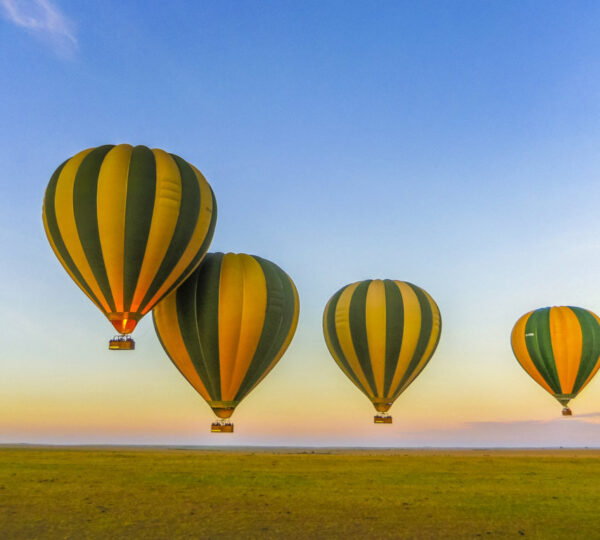
Hot air Balloon Safari
The view of the Mara ecosystem from altitude, with the river visible, herds moving below, and morning light catching the grass and hills, gives a perspective that no vehicle drive can replicate. Cost is approximately USD 450 to USD 500 per person and most Mara camps can arrange it. During migration, the balloon flies over the moving herds.
Walking Safaris and Cultural Visits
Walking safaris with armed rangers are available in the Mara conservancies and at Ol Pejeta, where approaching a white rhino on foot is unique in Kenya. Cultural visits to Maasai villages are offered by most Mara camps, usually involving a walk through the village, an explanation of traditional practices, and the opportunity to buy crafts directly from artisans. The most authentic interactions happen at smaller community villages rather than designated tourist villages.
Planning Your Kenya Safari
Getting to Kenya
Jomo Kenyatta International Airport in Nairobi is Kenya’s main international gateway. Direct flights operate from London Heathrow, Amsterdam, Paris, Frankfurt, Dubai, Doha, Addis Ababa, Johannesburg, and many other hubs. Wilson Airport, about six kilometres from the city centre, handles domestic connections to all major park airstrips including multiple Mara strips, Amboseli, Samburu, Ol Pejeta, and Lake Nakuru.
Visas and Health
The Kenya Electronic Travel Authorisation (eTA), introduced in 2024, replaced the previous e-Visa and is applied for online. Several East African Community countries have visa-free access. The East African Tourist Visa covers Kenya, Uganda, and Rwanda. Yellow fever documentation is required for travellers from endemic countries. Malaria prophylaxis is recommended for all safari areas. Comprehensive travel and medical evacuation insurance is strongly advised.
Getting to the Parks
The Masai Mara is approximately 270 kilometres from Nairobi by road, five to six hours depending on route and conditions. The domestic flight alternative from Wilson Airport to one of the Mara airstrips takes approximately 45 minutes and saves a full day of road time at significantly higher cost. For most visitors combining two or three parks in ten days, domestic flights are the more practical option.
What to Bring
- Neutral-coloured clothing: khaki, olive, grey, and beige. Avoid bright colours and white, which disturb wildlife. Avoid camouflage, which is restricted in some Kenya areas.
- Layers: mornings on the open Mara plains are cold at altitude, afternoons warm. A fleece or light down jacket for early morning drives covers both.
- Binoculars: 8×42 minimum. Even in the open Mara, the difference between a distant shape and an identifiable animal is a pair of binoculars.
- Camera: the Mara rewards photographers at every level. A 100-400mm telephoto gives reach for distant subjects.
- Sunscreen and insect repellent: Kenyan altitude UV exposure is higher than expected.
- Cash in USD small bills: USD 5 and USD 10 for tipping. Cards are accepted at most camps but cash is useful as backup.
Kenya Safari Pacakages
5-Day Classic Masai Mara
- Day 1: Arrive Nairobi, overnight hotel
- Day 2: Morning Wilson Airport flight to Masai Mara, afternoon game drive
- Day 3: Full day in the Masai Mara, morning and afternoon game drives
- Day 4: Morning hot air balloon safari, afternoon Maasai village cultural visit
- Day 5: Morning game drive, afternoon flight back to Nairobi, depart
8-Day Kenya Safari — Mara and Amboseli
- Day 1: Arrive Nairobi, overnight
- Day 2: Fly to Masai Mara, afternoon game drive
- Day 3: Full Masai Mara day — morning and afternoon drives
- Day 4: Morning balloon safari or full Mara day
- Day 5: Fly Mara to Amboseli, afternoon elephant game drives
- Day 6: Full Amboseli morning — Kilimanjaro views, elephant photography
- Day 7: Amboseli to Nairobi by road or flight
- Day 8: Nairobi National Park morning drive, depart
12-Day Ultimate Kenya Circuit
- Day 1: Arrive Nairobi, overnight
- Day 2: Fly to Samburu National Reserve
- Day 3: Samburu full day — Samburu Special Five
- Day 4: Samburu to Ol Pejeta by road, afternoon rhino tracking on foot
- Day 5: Ol Pejeta morning with northern white rhinos
- Day 6: Fly Ol Pejeta to Lake Nakuru, afternoon game drives
- Day 7: Lake Nakuru full day — rhinos and Rift Valley
- Day 8: Drive to Masai Mara via Lake Naivasha
- Day 9: Full Masai Mara day — conservancy drives
- Day 10: Hot air balloon morning, afternoon migration crossing point
- Day 11: Full Mara day
- Day 12: Morning drive, afternoon flight to Nairobi, depart
How Much Does a Kenya Safari Cost?
Kenya safari costs span a very wide range and depend primarily on the accommodation tier, number of parks, whether transport is by road or domestic flight, and the time of year. A budget three to four-day Masai Mara safari from Nairobi using road transfer, basic tented camp, and shared vehicle costs approximately USD 300 to USD 500 per person in low season, rising to USD 700 to USD 1,000 in high season once park fees are included.
A mid-range five-day Mara safari with domestic flights and comfortable en-suite camp accommodation typically runs USD 1,200 to USD 2,500 per person. A luxury seven-day conservancy safari with private vehicle, all-inclusive pricing, night drives, and bush dining runs USD 4,000 to USD 8,000 per person or more.
Park fees add materially to these figures. The Masai Mara’s USD 200 per person per 12-hour period in peak season is significant at any accommodation tier.
Two people spending three nights in the reserve in August pay USD 1,200 in park fees alone before accommodation or activities. Conservancy camps typically include conservancy fees in their nightly rate, making the all-inclusive price appear higher but often representing better per-day value once the park fees are factored in.
Kenya Safari — Where to Start
Start with the Masai Mara. It delivers the widest range of wildlife sightings on the most open terrain with the most developed guiding infrastructure, and it provides a baseline against which everything else in the Kenya circuit can be measured. Come during the migration if possible and stay in a conservancy rather than the core reserve.
Use a guide who knows the river crossing patterns rather than one who waits for the radio to broadcast a crossing already surrounded by vehicles. Stay at least three nights, four or five if a crossing is the priority.
Add Amboseli if Kilimanjaro and elephant photography is important. Add Samburu if the northern frontier species and landscape are on the list. Add Ol Pejeta if rhinos and the northern white rhino story matter.
None of these additions requires much extra time if domestic flights are used, and each adds a category of experience that the Mara alone cannot provide. Kenya is the place that defined what a safari looks and feels like for most of the world.
A well-planned Kenya safari is one of the most consistently rewarding wildlife travel experiences available anywhere on the planet.