Guide to Where to Go for Walking Safaris in Uganda
July 21, 2026
Best Time to Visit Rwanda
July 21, 2026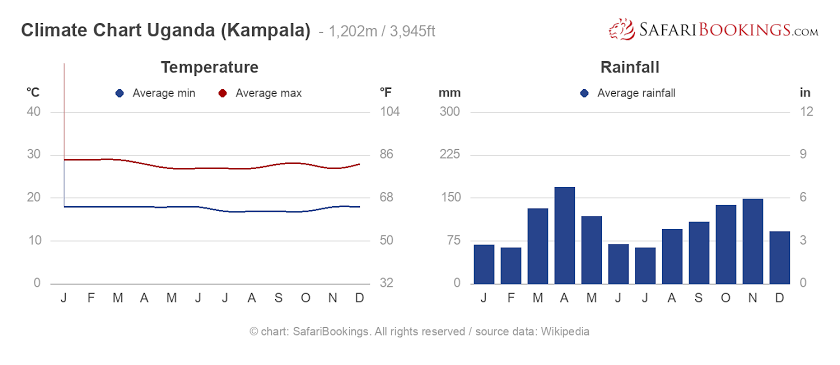
Best Time to Visit Uganda
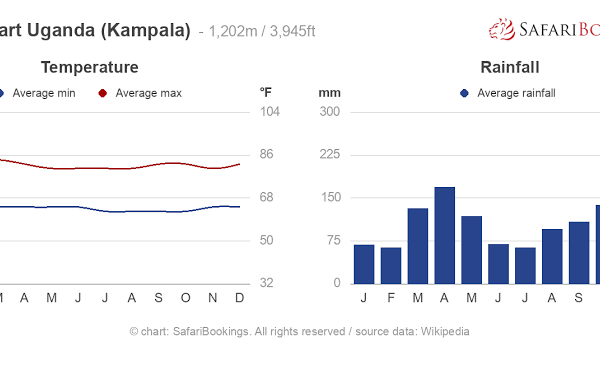
Best Time to Visit Uganda; Uganda can be visited for wildlife safaris year-round, and the gorilla trekking experience specifically does not have a bad month. The main variable is not wildlife availability but weather conditions, which affect trail conditions and road access more than they affect what animals are present.
Dry Season — June to September and December to February
The dry season months are Uganda’s peak safari period and offer the most reliable conditions for wildlife viewing. The savannah grass is shorter, which improves visibility on game drives. Forest trails are firmer and less muddy, which makes the Bwindi gorilla trek more manageable and reduces the risk of slipping on steep sections.
Park access roads in more remote areas are more consistently passable. July and August are the most popular months and produce the highest demand for gorilla permits, which requires booking six to twelve months in advance for these specific weeks.
Wet Season — March to May and October to November
The wet season months bring heavier rainfall that makes some park tracks challenging and can make the Bwindi approach roads slippery. However, the parks are quieter, accommodation prices are lower, and the landscape at its most intensely green produces a visual quality that the dry season cannot match.
Birding is exceptional in the wet season, when migratory species are present and resident birds are in breeding plumage. For visitors who prioritise atmosphere, photography, and quieter parks over optimal trail conditions, the wet season between November and April produces some of the most rewarding Uganda safari experiences of the year.
Summary by Month
- January to February: Dry, good conditions, moderate visitor numbers, reliable for all activities
- March to May: Long wet season, challenging tracks, beautiful green landscapes, excellent birding, lowest prices
- June to September: Peak dry season, best conditions, highest visitor numbers, permits most competitive
- October to November: Short wet season, quieter, good birding, some roads more difficult
- December: Dry season begins again, busy Christmas and New Year period for gorilla permits
Weather
Types of Uganda Safaris
Guided Group Safaris
A guided group safari with a licensed Ugandan tour operator is the most straightforward approach for international visitors planning a first Uganda trip. The operator handles all permits, accommodation bookings, park entry fees, transfers between parks, and game drive guiding.
Group safaris share vehicle costs among participants, which reduces the per-person cost and makes permits and accommodation more accessible for budget travellers. The quality of a group safari depends primarily on the quality of the guide, the condition of the vehicle, and the operator’s relationships with UWA for permit allocation.
Private Safari
A private safari uses a vehicle exclusively for your party. The itinerary is tailored to your schedule and priorities rather than a fixed programme. You depart when you want rather than when the group is ready.
If you want to stay longer at a sighting, you stay. If you want to add a morning game drive that was not on the original plan, you add it. Private safaris cost more per person than group safaris for the same itinerary because the vehicle and guide costs are not shared. For couples and small families, the cost difference is often manageable and the flexibility is significant.
Self-Drive Safari
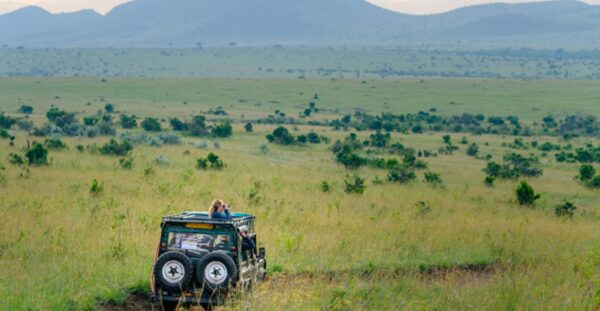
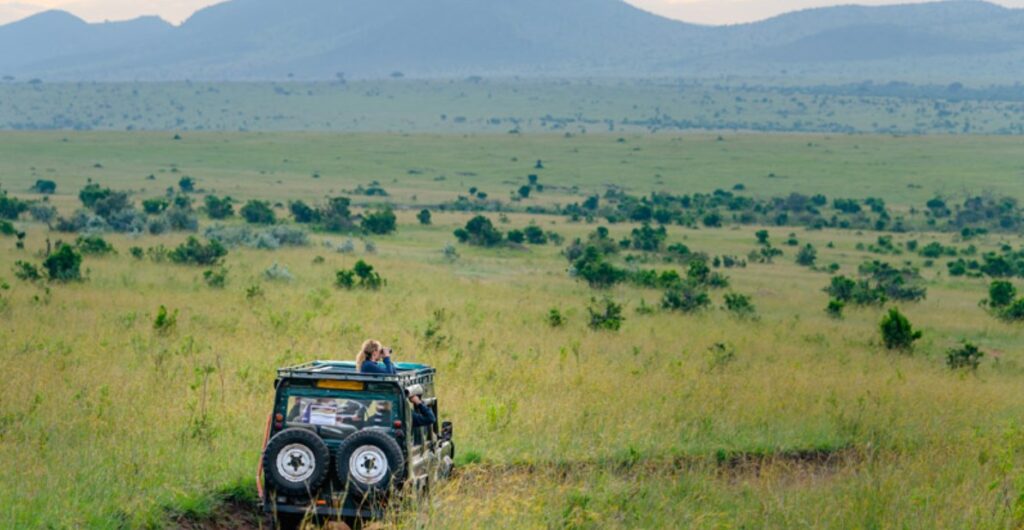
A self-drive Uganda safari using a hired 4WD vehicle is a viable option for experienced overland travellers who are comfortable navigating on unfamiliar roads and managing their own itinerary. A 4WD is essential for any itinerary that includes national park game drives. Gorilla and chimpanzee permits are bought in advance through the UWA or a licensed operator and carried to the park gate.
The main advantages of self-drive are cost, flexibility, and the pace of movement between parks. The main challenges are the road conditions in remote areas, the absence of a guide’s wildlife knowledge on game drives, and the navigational demands of Uganda’s less well-signed back roads.
Fly-In Safari
Domestic flights between Entebbe and the main park airstrips reduce driving time significantly. Pakuba Airstrip and Chobe Airstrip at Murchison Falls, Kidepo Airstrip at Kidepo Valley, and Kasese Airstrip near Queen Elizabeth are all served by scheduled and charter domestic flights.
Flying into Kidepo rather than driving the six to eight-hour road reduces the journey to under two hours and allows visitors who would otherwise skip the park because of the driving distance to include it without losing days on the road. Fly-in safaris are more expensive but unlock itinerary options that the road alone cannot practically achieve in a standard two-week trip.
Kinds of Uganda Safari By Budget and What to Expect at Each Level
Budget Safari
A budget Uganda wildlife safari, staying in UWA campsites and simple guesthouses, using shared group vehicles, and covering only one or two parks, is achievable for USD 150 to USD 250 per person per day, excluding the gorilla trekking permit. Adding the gorilla permit at USD 800 is the most significant single cost on any Uganda safari budget regardless of the accommodation tier. At the budget level, the wildlife encounters are identical to the luxury experience. What differs is the comfort of the accommodation, the quality of the food, and the speed of access to activities.
Mid-Range Safari
A mid-range Uganda safari, staying in comfortable lodges with en-suite facilities and good food, using private or semi-private vehicles, and covering three to four parks over ten to twelve days, typically costs USD 350 to USD 600 per person per day inclusive of activities, accommodation, and meals but excluding international flights.
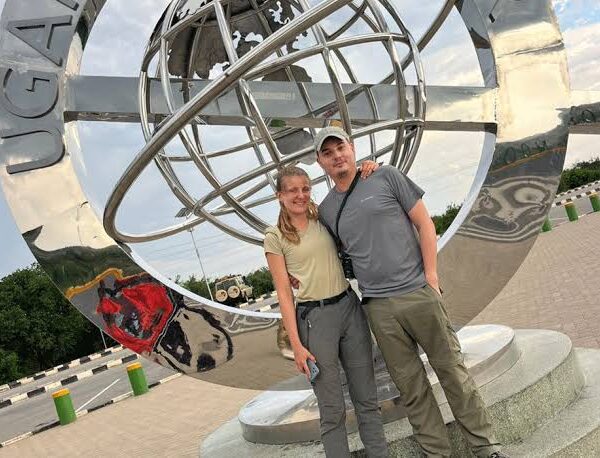
Equator in Kasese
This tier covers the bulk of Uganda’s best safari lodges and gives access to the full range of park activities without luxury pricing. Most visitors booking through Ugandan tour operators choose mid-range packages and find they deliver value that is hard to match in any equivalent East African circuit.
Luxury Safari
A luxury Uganda safari, staying at properties like Sanctuary Gorilla Forest Camp in Bwindi, Clouds Mountain Gorilla Lodge at Nkuringo, Apoka Safari Lodge at Kidepo, or Nile Safari Lodge at Murchison, typically costs USD 700 to USD 1,200 or more per person per day inclusive.
These prices reflect the combination of exceptional lodge settings, high standards of food and service, private guides, domestic flights between parks, and the specific permit costs for primate trekking. At the top end, Uganda’s luxury safari properties are competitive with anything available in Kenya or Tanzania at equivalent prices, with significantly less competition for wildlife sightings.