
Reasons Why You Should Spend Your Family Vacation in Tanzania
October 16, 2026
Tanzania Budget Safaris
October 16, 2026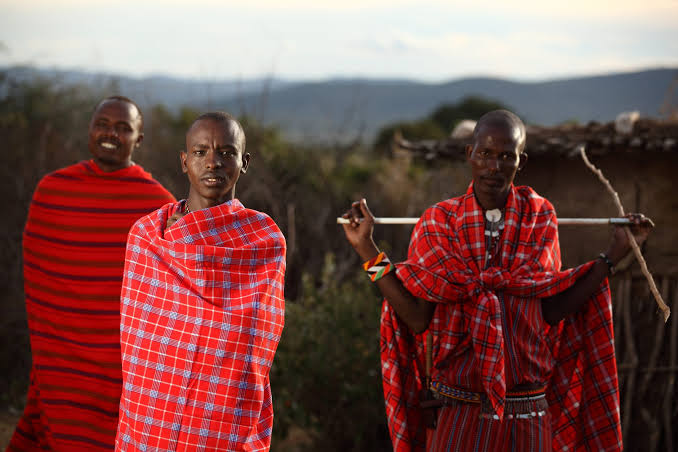
Kenya Cultural Tours
Kenya is home to more than forty ethnic communities, each with its own language, traditions and ways of life. In the Maasai Mara, herders in red shukas move cattle across the same plains as the wildebeest.
On Lamu Island, donkeys carry goods through narrow stone lanes that have changed little in centuries. Around Lake Turkana, communities live in one of the harshest and most remote landscapes in Africa, close to sites where some of the earliest human fossils were found.
For many travelers, these encounters become as meaningful as the wildlife. Yet cultural tourism also raises fair questions. Will the visit feel staged? Does the money actually reach the community? How do you photograph people respectfully? And how do you choose between a quick village stop and a deeper, more authentic experience?
This guide to Kenya cultural tours answers those questions. It covers the main cultural regions and communities, heritage sites, festivals, ethical considerations, costs and itineraries, helping you plan cultural experiences that are respectful, rewarding and genuinely connected to the people you meet.
Should You Include Culture in Your Kenya Trip?
Who Benefits Most
- First-time safari travelers who want context for the landscapes and wildlife they see
- Families, especially those with school-age children
- History and architecture enthusiasts drawn to Swahili towns and UNESCO sites
- Photographers interested in people, ceremonies and daily life, approached respectfully
- Returning visitors looking for something deeper than another game drive
| Format | Duration | Depth | Best For |
| Village visit near a safari park | 1 to 2 hours | Introductory | Travellers on a classic safari |
| Guided town or heritage walk | Half-day | Moderate | History and architecture lovers |
| Community conservancy stay | 2 to 4 nights | Deep | Travellers wanting meaningful contact |
| Festival visit | 1 to 3 days | Deep and celebratory | Culture-focused travelers |
| Dedicated cultural itinerary | 10 days or more | Very deep | Returning visitors, special interest travellers |
The Maasai:
Where
Maasai communities live across southern Kenya, including the Maasai Mara, Amboseli, Chyulu Hills and parts of Laikipia and Kajiado.
What to Experience
Visits to Maasai villages, known as manyattas or enkangs, introduce the importance of cattle, the structure of age sets, traditional homes built by women from timber, mud and cow dung, and the beadwork that signals age, status and identity. Visitors often see the adumu, the jumping dance performed by young men, and learn about traditional medicine and fire making.
How to Make It Meaningful
Conservancy lodges in the Maasai Mara, Amboseli and Chyulu areas work directly with Maasai landowners. Guests can join Maasai guides on walks, visit schools and women’s beadwork cooperatives, and learn how conservancy fees support families. These experiences are far more meaningful than a roadside village stop.
Best for: Safari travelers in the Mara and Amboseli, families and first-time visitors.
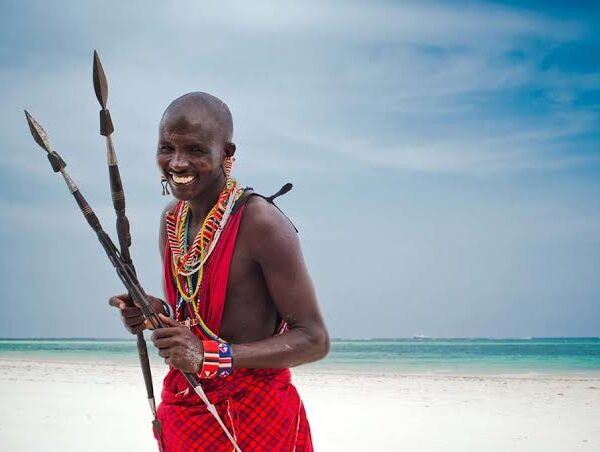
Maasai People
The Samburu: Northern Pastoralists
Where
The Samburu live in northern Kenya, around Samburu National Reserve, Buffalo Springs, Shaba and the surrounding community conservancies.
What to Experience
Closely related to the Maasai in language and culture, the Samburu are known for elaborate beadwork, ochre-decorated hair worn by young warriors and songs and dances that mark life stages. Visits to Samburu villages and community conservancies offer insight into life in a drier, more remote environment, where camels and goats join cattle as livestock.
How to Make It Meaningful
Stay at a conservancy lodge that employs Samburu guides, join walks to singing wells, where herders sing to their livestock while drawing water in the dry season, and visit community projects such as women’s groups and conservation programs.
Best for: Travellers on a northern Kenya safari and those seeking a less visited cultural region.
The Swahili Coast: Lamu, Mombasa and Gede
Lamu Old Town
Lamu Old Town is the oldest and best-preserved Swahili settlement in East Africa and a UNESCO World Heritage Site. There are no cars; donkeys and dhows remain the main forms of transport. Coral stone houses, carved wooden doors, mosques and narrow alleys create an atmosphere unlike anywhere else in Kenya.
What to experience: Guided walks through the old town, visits to the Lamu Museum and the Swahili House Museum, dhow sailing, and a visit to the nearby village of Shela and the Takwa ruins on Manda Island.
Best for: Travellers who value history, architecture and a slower pace.
Mombasa Old Town and Fort Jesus
Fort Jesus, built by the Portuguese at the end of the sixteenth century, is a UNESCO World Heritage Site that reflects centuries of conflict and trade between Portuguese, Omani Arab, Swahili and British powers. The old town around it has narrow streets, spice shops and Swahili and Indian architecture.
Best for: Travellers staying on the coast and history enthusiasts.
Gede Ruins
Near Watamu, the Gede Ruins are the remains of a Swahili town abandoned centuries ago, set within coastal forest. Mosques, houses and a palace are visible among the trees.
Best for: Travellers staying in Watamu or Malindi.
Mijikenda Kaya Forests
The sacred Kaya forests of the Mijikenda people along the coast are listed as a UNESCO World Heritage Site. Kaya Kinondo near Diani offers guided walks that explain traditional beliefs, medicinal plants and the role of the forests in community life.
Best for: Beach travelers seeking cultural depth.
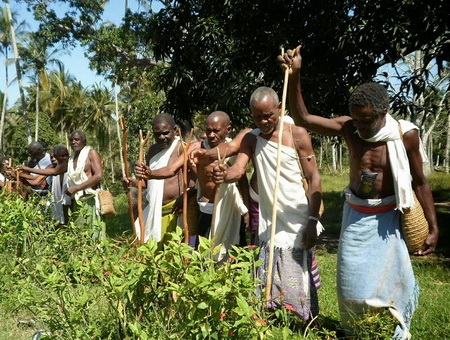
Mijikenda people
Northern Kenya:
Lake Turkana
Lake Turkana, the world’s largest permanent desert lake, is home to the Turkana, El Molo, Rendille, Gabbra and Dassanech communities. The region is remote, hot and challenging to reach but rewards travelers with powerful cultural encounters and extraordinary landscapes.
What to experience: Visits to communities around Loiyangalani, the Lake Turkana Cultural Festival when it is held, and the paleontological sites of Koobi Fora within Sibiloi National Park, where important early human fossils have been discovered.
Best for: Adventurous travelers with time and flexibility. Flying in by light aircraft makes access far easier.
Central and Western Kenya
The Kikuyu and Central Highlands
The central highlands around Mount Kenya and the Aberdares are home to the Kikuyu, Kenya’s largest ethnic group. Visits to tea and coffee farms, local markets and historical sites connected to the Mau Mau independence struggle offer insight into modern Kenyan history.
The Luo and Lake Victoria
Around Kisumu and Lake Victoria, the Luo community’s fishing culture, music and food are central to daily life. Kit Mikayi, a striking rock formation with cultural significance, and Thimlich Ohinga, a UNESCO listed dry stone walled settlement near Migori, are notable sites.
The Kalenjin and the Rift Valley
The Kalenjin communities of the Rift Valley are famous for producing world-class distance runners. Visits to Iten, the “Home of Champions,” offer a chance to see athletes training and learn about the running culture.
Best for: Travellers extending beyond the main safari circuit and those interested in modern Kenya.
Nairobi: The Cultural Gateway
Nairobi offers a concentrated introduction to Kenyan culture before or after a safari.
- Nairobi National Museum: Exhibits on Kenya’s history, cultures and prehistory
- Bomas of Kenya: Traditional homesteads and performances of dances from many communities
- Karen Blixen Museum: The former home of the author of Out of Africa
- Kazuri Beads: A workshop employing single mothers to create ceramic beads and jewelry
- Maasai Market: A rotating craft market selling beadwork, carvings and textiles
Best for: Travellers with a free day in the city.
Cultural Festivals
| Festival | Location | Typical Timing | What to Expect |
| Lamu Cultural Festival | Lamu Island | Usually November | Dhow races, donkey races, Swahili music and crafts |
| Maulidi Festival | Lamu | Varies with the Islamic calendar | Religious celebrations, processions, music |
| Lake Turkana Cultural Festival | Loiyangalani | Varies, not held every year | Dances, music and traditions of northern communities |
| Mombasa Carnival | Mombasa | Varies | Street parades, music and coastal culture |
Ethical Cultural Tourism
Responsible cultural tourism ensures that visits benefit communities and respect their dignity.
Principles to Follow
- Choose community-owned or partnership experiences. Conservancies and community-run projects channel income directly to local families.
- Ask before photographing people. Some communities expect a fee for photographs; agree beforehand and respect refusals.
- Dress modestly, especially on the Swahili coast and in Muslim areas such as Lamu and Mombasa’s old town.
- Buy crafts directly from artisans and cooperatives where possible.
- Avoid giving sweets, money or gifts to children, which can encourage begging. Support schools or community projects through established channels instead.
- Listen more than you photograph. Conversations, guided by an interpreter, often become the most memorable part of a visit.
Spotting Staged Experiences
Some roadside villages near park gates operate primarily as tourist stops, with set prices and pressure to buy crafts. While these still provide income, they may feel transactional. Ask your safari company where fees go and whether the visit is linked to a conservancy, school or cooperative.
Costs
| Experience | Approximate Cost |
| Maasai village visit near a park | US$20 to US$50 per person |
| Guided Lamu or Mombasa old town walk | US$20 to US$60 per person |
| Bomas of Kenya: entry and performance | Modest entry fee |
| Conservancy cultural activities | Often included in lodge rates |
| Lake Turkana fly-in cultural trip | Several thousand US dollars per person |