Kenya Cultural Tours
October 16, 2026
Serengeti Wildebeest Migration Month By Month Guide
October 16, 2026
Tanzania Budget Safaris
This guide explains how Tanzania budget safaris work, what they really cost, where the money goes and how to save without sacrificing safety or quality. It also highlights the warning signs of operators cutting the wrong corners, so you can travel with confidence.
Is a Budget Safari in Tanzania Right for You?
A Budget Safari Suits
- Backpackers and independent travellers comfortable with simple accommodation
- Students and young travelers prioritizing experiences over comfort
- Solo travelers happy to join group departures
- Adventurous families with older children who enjoy camping
- Travellers with flexible dates who can take advantage of shoulder and green season rates
A Budget Safari May Not Suit
- Travellers who need high comfort, private bathrooms with hot water every night or quiet, exclusive sightings
- Families with very young children, who usually benefit from private vehicles and lodges with facilities
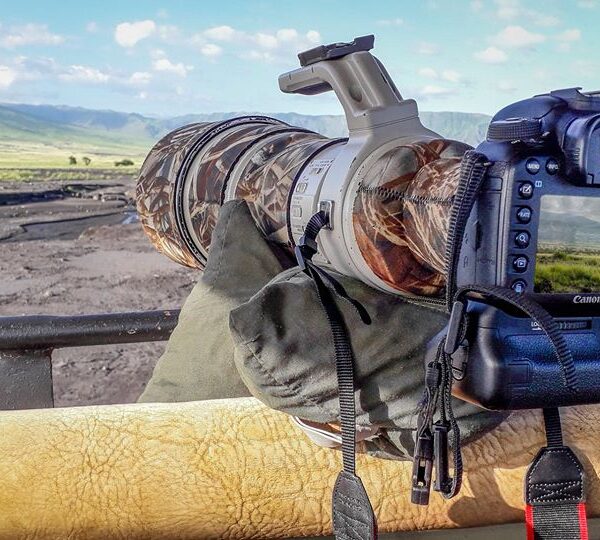
- Serious photographers, who often need private vehicles and flexible timing
Tanzania Photographic Safaris
Where the Money Goes
The biggest surprise for many travelers is that a large share of any Tanzania safari cost is fixed, regardless of budget level. Park and conservation fees are charged per person per day, and they are the same whether you sleep in a tent or a luxury suite.
Key Fixed Costs
| Fee | Approximate Cost (Non-Resident Adult) | Notes |
| Serengeti National Park entry | Around US$80 to US$85 per day, including VAT | Charged per 24 hours |
| Ngorongoro Conservation Area fee | Around US$70 to US$80 per day, including VAT | Applies when staying or transiting |
| Ngorongoro Crater service fee | Around US$295 or more per vehicle per descent | Shared among vehicle passengers |
| Tarangire and Lake Manyara entry | Around US$55 to US$60 per day, including VAT | Charged per 24 hours |
| Public campsite fees in parks | Around US$30 to US$60 per person per night | Varies by park and site |
Variable Costs
- Accommodation: camping, budget lodges, mid-range, or luxury
- Vehicle and fuel: shared versus private
- Guide and cook salaries
- Meals and drinking water
- Transfers and flights
How Much Does a Budget Safari Cost?
| Safari Style | Approximate Cost Per Person Per Day | What to Expect |
| Group camping safari | US$180 to US$280 | Shared vehicle, public campsites, and cooking travels with the group |
| Private camping safari | US$250 to US$400 | Private vehicle, camping, flexible schedule |
| Budget lodge safari | US$250 to US$400 | Simple lodges outside parks, shared or private vehicles |
| Mid-range lodge safari | US$400 to US$650 | Comfortable lodges and tented camps |
Camping Safaris: The Classic Budget Option
How It Works
On a camping safari, travelers sleep in dome tents at public campsites inside or near the parks. A cook travels with the group and prepares meals, while the driver guide handles game drives. Tents, mattresses and cooking equipment are provided.
What to Expect at Campsites
Public campsites in the Serengeti, such as those near Seronera and on the Ngorongoro Crater rim, usually have basic toilet and shower blocks, cooking shelters and dining areas. Facilities can be simple, hot water is not guaranteed and wildlife sometimes passes through camps at night.
Advantages
- Lowest overall cost
- Sleeping inside the parks saves drive time
- An authentic, close-to-nature experience
Trade-offs
- Limited comfort and privacy
- Shared facilities
- Early starts and simple meals
Best for: Adventurous travellers, backpackers and young groups.
Budget Lodge Safaris
How It Works
Budget lodge safaris use simple lodges and tented camps outside park boundaries, especially in Karatu near Ngorongoro, Mto wa Mbu near Lake Manyara and the edges of Tarangire. Rooms usually have private bathrooms, beds and meals.
Advantages
- More comfort than camping
- Private bathrooms and better showers
- Some lodges have pools and gardens
Trade-offs
- Longer morning drives into the parks
- Less atmosphere than staying inside parks
Group Versus Private Safaris
| Factor | Group (Shared) Safari | Private Safari |
| Cost | Lower | Higher, but drops with more travelers |
| Flexibility | Fixed schedule | Fully flexible |
| Vehicle space | Shared with strangers | Your group only |
| Sightings | Must balance group interests | Stay as long as you like. |
| Best for | Solo travelers, couples on a budget | Families, photographers, groups of friends |
Best Budget Routes
Three Days: Tarangire and Ngorongoro
- Day 1: Arusha to Tarangire for a game drive, overnight in Mto wa Mbu or Karatu
- Day 2: Lake Manyara or rest, overnight in Karatu
- Day 3: Ngorongoro Crater game drive, return to Arusha
Best for: Travellers with limited time and budget, avoiding the higher Serengeti costs.
Four to Five Days: Serengeti and Ngorongoro
- Day 1: Arusha to Tarangire or Lake Manyara
- Day 2: Drive to central Serengeti
- Day 3: Full day in the Serengeti
- Day 4: Ngorongoro Crater
- Day 5: Return to Arusha (optional extra day)
Best for: First time visitors who want the classic northern circuit.
Six to Seven Days: Full Northern Circuit
- Tarangire, Lake Manyara, two nights in the Serengeti, and Ngorongoro Crater, with time for Lake Eyasi or a cultural visit
Best for: Travellers who want more depth without luxury costs.
Best Value Seasons
| Season | Months | Budget Advantage | Considerations |
| Long rains (green season) | April to May | Lowest lodge rates | Heavy rain, some camps closed, muddy roads |
| Shoulder season | March, June, November | Lower rates, good wildlife | Some rain in March and November |
| Short rains | Early December | Reduced rates before festive season | Afternoon showers |
| Peak season | July to October, Christmas | Highest rates | Busy parks |
A Sample Budget Breakdown
To show how costs add up, here is an illustrative breakdown for a four-day private camping safari for two travelers covering Tarangire, the Serengeti and the Ngorongoro Crater.
| Cost Item | Approximate Share of Total | Notes |
| Park and conservation fees | 45 to 55 percent | Serengeti and Ngorongoro fees dominate. |
| Crater service fee | 5 to 8 percent | Per vehicle, so cheaper per person in larger groups |
| Vehicle, fuel and maintenance | 15 to 20 percent | A long drive to the Serengeti uses significant fuel. |
| Guide and cook | 8 to 12 percent | Includes their park entry and accommodation |
| Camping fees and equipment | 8 to 12 percent | Public campsite fees are charged per person. |
| Food and water | 4 to 6 percent | Prepared by the cook |
Why Tanzania Can Still Offer Good Value
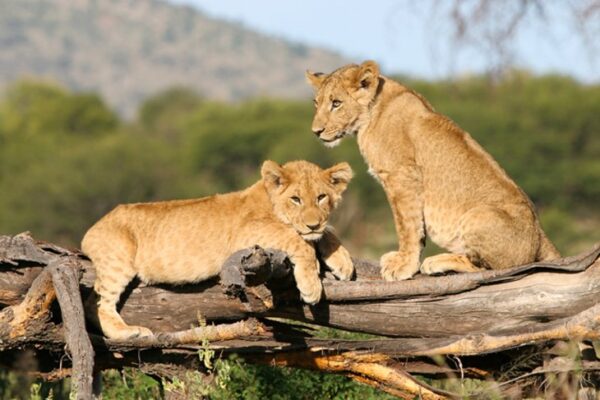
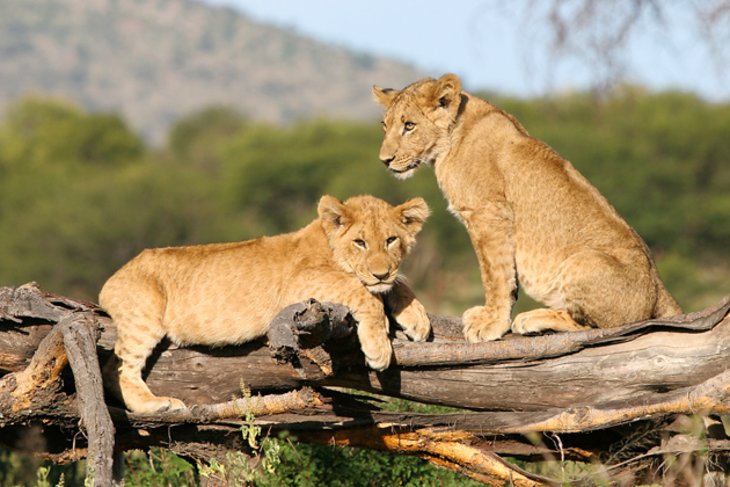
Despite high fees, Tanzania offers excellent value for budget travelers for several reasons. The northern circuit parks are close together, so a short safari covers remarkable diversity without flights. Wildlife density in the Serengeti and Ngorongoro is high enough that even a three- or four-day trip can deliver lions, elephants, buffalo, hippos and often rhinos.
Arusha has a large and competitive safari industry, which keeps prices for vehicles, guides and budget lodges reasonable. And the Ngorongoro Crater can be visited as a day trip from Karatu, avoiding expensive overnight stays inside the conservation area.
Can You Do the Southern Circuit on a Budget?
The southern parks, Nyerere and Ruaha, are generally harder to visit cheaply because most travelers fly in and camps are limited. However, road-based budget options exist. Mikumi National Park, about four to five hours by road from Dar es Salaam, offers good wildlife viewing at lower cost and pairs well with Udzungwa Mountains National Park for hiking.
Budget camps near Nyerere’s Mtemere Gate also offer more affordable stays for travelers prepared to drive. These routes suit travelers based in Dar es Salaam or combining a safari with Zanzibar.
How to Save Money Without Losing Quality
- Travel in a group of four to six to share vehicle and guide costs.
- Choose camping or budget lodges rather than luxury properties.
- Skip extra parks and focus on Tarangire, Serengeti and Ngorongoro.
- Stay outside parks where sensible, such as Karatu for Ngorongoro.
- Travel in shoulder season for better lodge rates.
- Book directly with a reputable local operator rather than through multiple agents.
- Avoid unnecessary flights; road transfers on the northern circuit are manageable.
Red Flags: When Budget Becomes Risky
Budget does not have to mean unsafe or unethical. However, some operators cut costs in ways that affect safety, wildlife and staff welfare.
Warning Signs
- Prices far below market rates, which may mean unpaid park fees or unlicensed guides
- No clear itinerary or inclusions
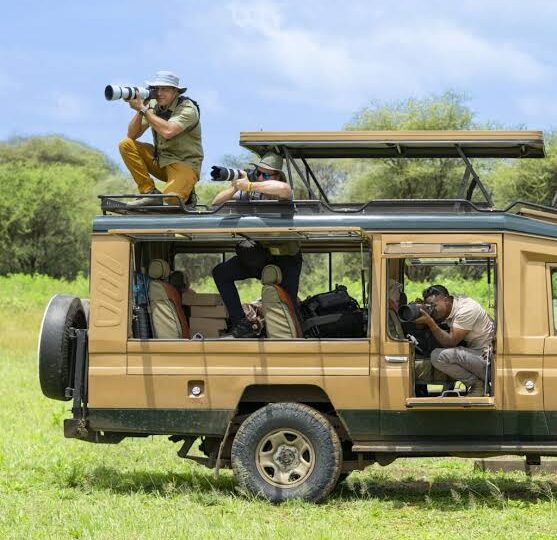
- Old, poorly maintained vehicles without pop-up roofs or reliable tires
- Unlicensed or unregistered operators without Tanzania Association of Tour Operators membership or a valid tourism license
- Pressure to pay large deposits in cash or to unofficial accounts
- Vague answers about park fees and what is included
What to Check
- The operator’s license and registration
- Recent independent reviews
- What exactly is included: park fees, crater fee, accommodation, meals, water, guide and cook
- Vehicle type and condition
- Group size limits and how many seats in the vehicle
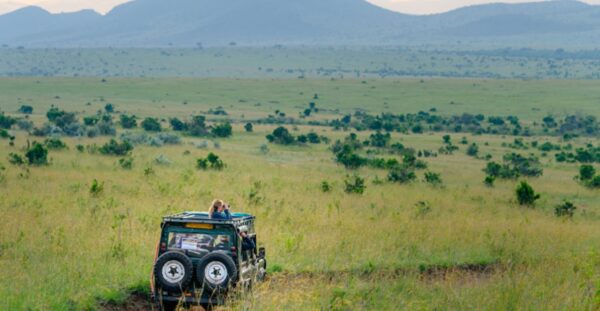
Game Drives
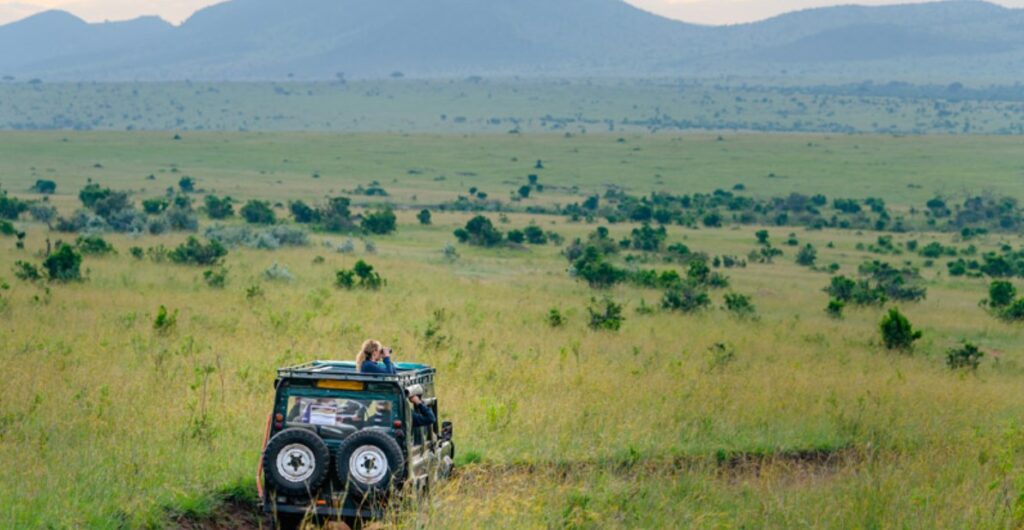
A slightly higher price from a reputable operator is usually far better value than a very cheap safari that leaves you stranded or unsafe.
What Is Usually Included and Excluded
| Usually Included | Usually Excluded |
| Park and conservation fees | International flights and visas |
| Ngorongoro Crater service fee | Travel insurance |
| Accommodation or camping equipment | Tips for guides and cooks |
| Meals during the safari | Drinks other than water |
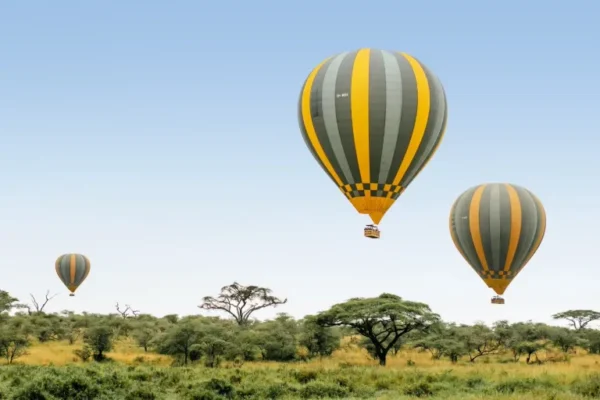
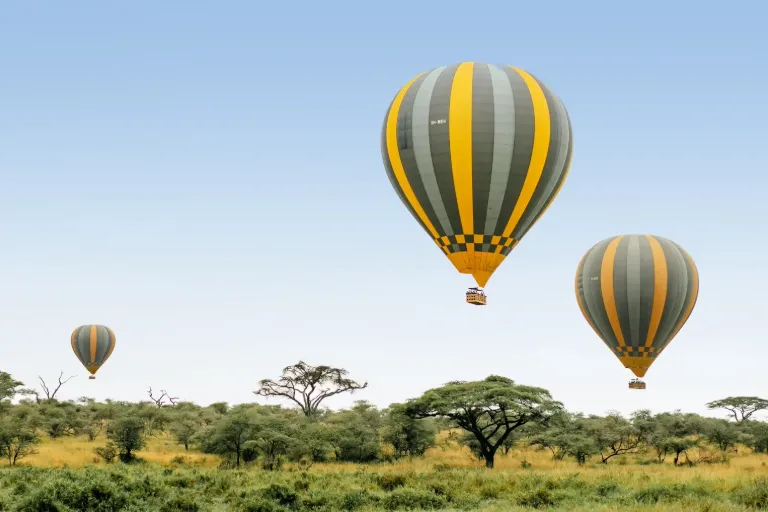
| Drinking water in the vehicle | Optional activities such as balloon safaris |
| Driver guide and cook | Personal expenses |
| Airport transfers in Arusha | Accommodation before or after the safari |
Tipping on a Budget Safari
Tipping is customary and forms an important part of guides’ and cooks’ incomes. Many operators recommend around US$15 to US$25 per day for a driver guide and around US$10 to US$15 per day for a cook, shared among the group. Tipping should reflect service quality and be budgeted from the start.
Packing for a Budget Safari
- Sleeping bag or liner if camping, as nights can be cold on the crater rim
- Headlamp for campsites
- Warm layers for early mornings
- Quick drying towel
- Toilet paper and hand sanitiser
- Reusable water bottle
- Insect repellent and sunscreen
- Power bank, as charging can be limited at campsites
Combining a Budget Safari With Zanzibar
Zanzibar is easily combined with a budget safari. Budget flights connect Arusha to Zanzibar in about an hour, and the island offers affordable guesthouses and hostels in Stone Town, Paje, Jambiani and Nungwi. Buses and shared taxis keep transport costs low.