Gorilla Trekking vs the Great Migration
July 21, 2026
Ultimate Guide to an African Safari in Kenya
July 21, 2026
Kenya vs Tanzania: Where to Go on Safari
Kenya Vs Tanzania is one of the most common and most agonizing questions in African travel: for a safari of a lifetime, should you go to Kenya or Tanzania?
These two neighboring East African countries are the undisputed heavyweights of the safari world, the birthplaces of the very idea of the African safari, and between them they hold many of the continent’s most legendary wildlife destinations, from the Maasai Mara and the Serengeti to Amboseli, Ngorongoro, and beyond.
Both promise extraordinary wildlife, breathtaking landscapes, and the unforgettable romance of the African bush, and choosing between them can feel almost impossible.
The truth is that there is no single right answer, because both Kenya and Tanzania are superb safari destinations, and the best choice depends entirely on what you want from your trip: your budget, your interests, the time of year you travel, whether it is your first safari or your fifth, and what kind of experience will thrill you most.
The two countries share the same great ecosystems and much of the same wildlife, yet each has its own character, strengths, and signature experiences, and understanding these differences is the key to choosing the country that will give you the safari of your dreams.
The Quick Answer

Maasai
If you want a broad guide before diving into the detail, here is the short version. Kenya tends to suit first-time safari-goers, families, and those seeking excellent value, variety, and easy logistics, with the bonus of combining safari and beach within one country.
Tanzania tends to suit those seeking the grandest wilderness, the most iconic landscapes such as the Serengeti and Ngorongoro Crater, a more exclusive and often more expensive experience, and the chance to add Kilimanjaro or Zanzibar.
Both offer the Great Migration, world-class wildlife, and unforgettable safaris; the differences lie in the details, the style, and the emphasis, which the rest of this guide explores.
| Factor | Kenya | Tanzania |
| Best for | First-timers, families, value, variety | Grand wilderness, exclusivity, iconic scenery |
| Flagship park | Maasai Mara | Serengeti and Ngorongoro |
| Cost | Generally more affordable | Generally more expensive |
| Migration crossings | Mara River, July to October | Serengeti, most of the year, calving Jan to Mar |
| Beaches | Diani, Watamu, coast | Zanzibar |
| Access | Very easy, good infrastructure | Easy, larger distances |
Wildlife and the Big Five
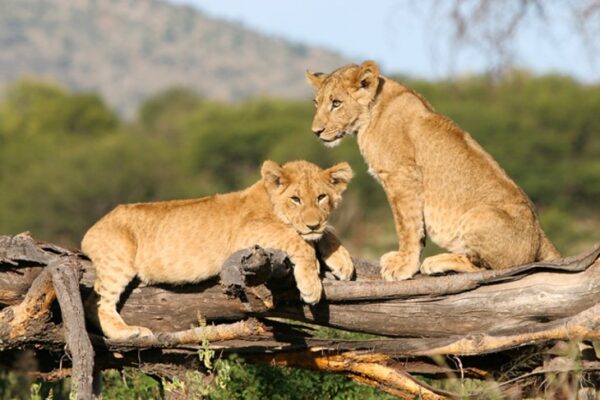
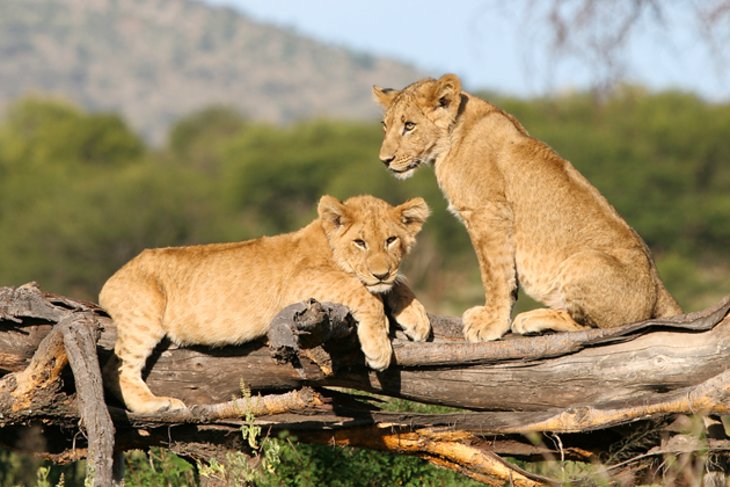
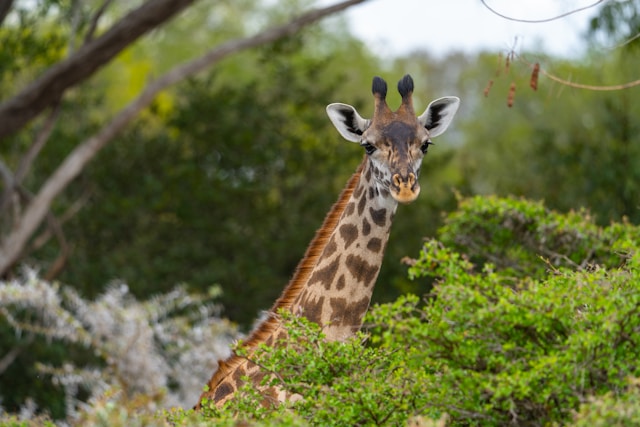
Both Kenya and Tanzania offer superb wildlife viewing, including all of the Big Five, the lion, leopard, elephant, buffalo, and rhino, along with cheetahs, giraffes, hippos, and a dazzling array of other species.
In terms of sheer wildlife, neither country disappoints, and both deliver the classic African safari of big cats on the plains, elephants at waterholes, and predators on the hunt. The differences are more about density, setting, and specific highlights than about which country has more wildlife overall.
Kenya’s Maasai Mara is famous for its exceptional density of big cats, offering arguably the finest lion, cheetah, and leopard viewing in Africa, concentrated in a relatively compact and accessible area. Tanzania’s Serengeti, by contrast, is vast, offering wildlife across immense plains, with the Ngorongoro Crater providing an extraordinary concentration of animals, including the best chance to see the endangered black rhino, in a single spectacular setting.
Tanzania’s greater size can mean wildlife is more spread out but the sense of untamed wilderness is greater, while Kenya’s more compact reserves can mean easier, more frequent sightings. Both are magnificent; the experience simply differs in scale and style.
The Great Migration
The Great Migration, the year-round movement of around two million wildebeest and zebra in a great circular journey, is one of the natural wonders of the world, and it is a major factor for many travellers choosing between Kenya and Tanzania.
Crucially, the migration takes place across both countries, as the herds follow the rains between Tanzania’s Serengeti and Kenya’s Maasai Mara, which together form one connected ecosystem. Where and when you want to witness it therefore influences which country to choose, and when to travel.
Tanzania’s Serengeti hosts the migration for the majority of the year, including the dramatic calving season from around January to March in the southern Serengeti, when thousands of wildebeest give birth and predators gather, a spectacular and less crowded highlight.
Kenya’s Maasai Mara, meanwhile, is the stage for the famous Mara River crossings, the most iconic and dramatic scenes of the migration, when the herds brave crocodile-filled waters, typically between July and October.
So for the river crossings, Kenya from July to October is ideal; for the calving season and the herds on the southern plains, Tanzania from January to March is the choice. Both offer the migration; the timing and the spectacle differ.
Landscapes and Scenery
The two countries offer subtly different landscapes, and scenery is a real part of the safari experience. Kenya is remarkably diverse, packing an astonishing variety into one country: the rolling grasslands of the Mara, the elephant plains of Amboseli beneath Mount Kilimanjaro, the flamingo-fringed Rift Valley lakes, the arid wilderness of Samburu in the north, and forests, mountains, and the Indian Ocean coast. This variety means a Kenyan safari can feel wonderfully varied, moving between very different environments in a single trip.
Tanzania, meanwhile, is home to some of the most iconic and grandiose landscapes in all of Africa: the endless golden plains of the Serengeti, which seem to stretch to infinity, the breathtaking Ngorongoro Crater, a vast volcanic caldera teeming with wildlife, the baobab-studded wilds of Tarangire, and, of course, Mount Kilimanjaro, Africa’s highest peak.
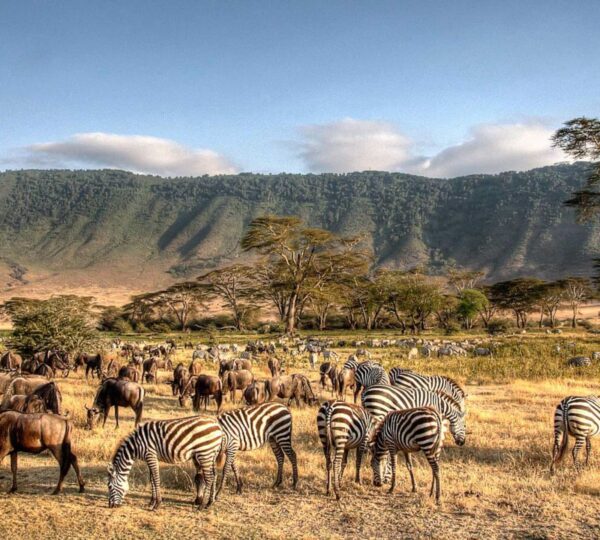
Ngorongoro Crater
Tanzania’s scenery has a scale and grandeur that is hard to match, evoking the timeless, primeval Africa of the imagination. Both countries are beautiful; Kenya offers variety and diversity, while Tanzania offers iconic grandeur and a sense of vast, untamed wilderness.
Cost and Value
Budget is often a decisive factor, and here there is a meaningful difference between the two countries. Generally speaking, Kenya tends to be the more affordable safari destination, offering excellent value with a wide range of accommodation from budget camps to luxury lodges, and generally lower park fees and costs than its neighbour.
This makes Kenya particularly attractive for first-time safari-goers, families, and those travelling on a more modest budget, without any compromise on the quality of the wildlife experience.
Tanzania, by contrast, tends to be more expensive, with higher park fees, particularly for the Serengeti and Ngorongoro, and a greater emphasis on higher-end lodges and camps, especially in the more exclusive areas. This is not to say Tanzania lacks value or budget options, but overall a Tanzanian safari often costs more than a comparable Kenyan one.
The trade-off is that Tanzania’s higher costs can mean fewer crowds and a more exclusive feel in some areas. For travellers prioritising value and affordability, Kenya generally has the edge, while those willing to invest more for grandeur and exclusivity may lean towards Tanzania.
Crowds and Exclusivity
The question of crowds matters to many safari-goers, as the feeling of having a sighting to yourself greatly enhances the experience. Kenya’s most popular areas, particularly the Maasai Mara National Reserve during peak migration season, can become busy, with numerous vehicles gathering at major sightings.
However, Kenya has cleverly addressed this through its excellent network of private conservancies bordering the Mara and other parks, where vehicle numbers are strictly limited and off-road driving and night drives are permitted, offering a wonderfully exclusive experience for those who choose them.
Tanzania’s vast size means that even popular areas like the Serengeti can feel less crowded simply because the wildlife and vehicles are spread across enormous distances, though key spots such as the Ngorongoro Crater and certain migration hotspots can still get busy. Tanzania also offers exclusive private concessions for a more secluded experience.
Overall, both countries can be busy in the most famous places at peak times, and both offer ways to escape the crowds, through Kenya’s conservancies and Tanzania’s private concessions and sheer scale. Choosing quieter areas or travelling in the shoulder seasons helps in either country.
Beaches: Coast vs Zanzibar
One of the great joys of an East African holiday is the chance to combine a safari with a tropical beach, and both countries offer this beautifully, though in different ways. Kenya boasts a stunning Indian Ocean coastline, with famous beaches such as Diani, Watamu, and the historic island of Lamu, all easily reached by short flights from the safari parks, making a bush-and-beach holiday within one country wonderfully straightforward and often very good value.
Tanzania, meanwhile, has the trump card of Zanzibar, the fabled Spice Island, whose idyllic white-sand beaches, turquoise waters, and rich Swahili culture make it perhaps the most famous beach destination in East Africa, and a dreamy complement to a Serengeti safari.
Both offer superb bush-and-beach combinations; Kenya’s coast is excellent, accessible, and good value, while Zanzibar has a special romance and international renown. For many, Zanzibar edges it on sheer allure, while Kenya’s coast wins on convenience and value, and either makes a glorious end to a safari.
Accessibility and Getting Around
Ease of travel is an important practical consideration. Kenya has excellent infrastructure, with Nairobi serving as a major international air hub with superb connections, good roads, and short internal flights linking the compact safari areas, making it very easy to get around and well suited to first-time visitors and families. Kenya’s relatively compact geography means shorter travel times between destinations.
Tanzania is also accessible, served by international airports at Kilimanjaro and Dar es Salaam and with good internal flights, but its larger size means greater distances between destinations, so internal flights are often used to cover the ground comfortably, which can add to the cost.
Both countries are straightforward to travel in with a good operator, but Kenya’s compactness and hub connectivity give it a slight edge in ease, while Tanzania’s greater distances are simply part of experiencing its vast wilderness. In both, an experienced operator makes travel smooth and seamless.
Which Country Should You Choose?
Bringing it all together, the right choice depends on your priorities. Neither country is objectively better; they are simply different, and each excels for particular travellers and preferences. Here is a guide to help you decide based on what matters most to you.
Choose Kenya If
- You are a first-time safari-goer or travelling with family, wanting easy logistics and variety.
- Value and affordability are important to you, without compromising on wildlife.
- You want to see the Mara River crossings of the migration, from July to October.
- You love variety, wishing to combine savannah, lakes, mountains, and diverse landscapes.
- You want an accessible, convenient bush-and-beach trip with the Kenyan coast.
- You value the exclusive private conservancies with off-road and night drives.
Choose Tanzania If
- You dream of the iconic, vast wilderness of the Serengeti and the Ngorongoro Crater.
- You want to witness the calving season or the herds on the southern plains, from January to March.
- You seek grand, timeless landscapes and a sense of untamed immensity.
- You wish to combine your safari with Zanzibar’s world-famous beaches or climbing Kilimanjaro.
- You are willing to invest more for grandeur, exclusivity, and iconic scenery.
- It is a bucket-list, once-in-a-lifetime trip where the most legendary names matter most.