Where to Go for Game Drive Tours in Uganda
July 22, 2026
Where to Go for Birding Safaris in Tanzania?
July 22, 2026
Where to Go for Birding Safaris in Uganda?
Where to Go for Birding Safaris in Uganda? What makes Uganda particularly rewarding for visiting birders, beyond the sheer number of species recorded, is the accessibility of so many outstanding birding sites within a single well organised itinerary, allowing dedicated birders to combine wetland, forest, and savannah birding with the country’s celebrated primate trekking, often spotting dozens of species during the very same walks and drives undertaken primarily for gorillas, chimpanzees, or classic game viewing.
This dual appeal has made Uganda an increasingly popular choice among serious international birding tour operators and independent birders alike.
This guide explores the best destinations for birding safaris in Uganda, covering the country’s premier birding sites, the signature and sought after species associated with each, practical advice on timing and planning a birding itinerary, and tips for getting the most from a Ugandan birding adventure.
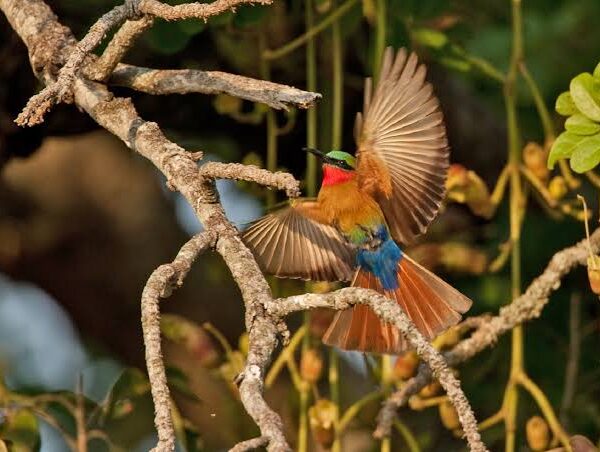
Uganda Birding Safaris
Whether you are a dedicated lister chasing Albertine Rift endemics or simply an enthusiastic traveller who enjoys birds as part of a wider safari, here is a complete guide to birding in the Pearl of Africa.
Why Uganda Is Africa’s Premier Birding Destination
Uganda’s extraordinary birding credentials rest on a combination of geographical and ecological factors that together create conditions for exceptional species diversity within a relatively small country.
Understanding these factors helps explain why serious birders consistently rank Uganda among their top African destinations, often ahead of considerably larger and better known safari countries.
- Over 1,060 recorded bird species, representing more than half of all bird species found on the African continent, within a country of modest size.
- A unique convergence of East African savannah, Central African lowland rainforest, and Albertine Rift montane habitats, each supporting distinct bird communities.
- Uganda hosts the majority of the Albertine Rift endemic bird species, found nowhere else on earth, concentrated particularly in its western forests.
- The presence of the shoebill stork, one of the world’s most sought after and instantly recognisable birds, found reliably in only a handful of African wetlands.
- Excellent, well established birding infrastructure and guiding expertise, developed over decades of international birding tourism.
- The ability to combine world class birding with gorilla and chimpanzee trekking within the same itinerary, a combination found in very few other destinations.
Mabamba Swamp:
For many visiting birders, no Ugandan birding itinerary is complete without a dedicated excursion to Mabamba Swamp, a vast papyrus wetland on the shores of Lake Victoria, conveniently located less than an hour from Entebbe, celebrated as one of the most reliable places anywhere in Africa to observe the extraordinary shoebill stork.
This prehistoric looking bird, with its immense, boot shaped bill and slow, deliberate movements, ranks among the most sought after sightings for birders worldwide, and Mabamba’s guided canoe excursions through the swamp’s narrow channels offer excellent chances of a close, memorable encounter.
Beyond the shoebill, Mabamba’s rich papyrus and open water habitats support a wide variety of further waterbirds and swamp specialists, including papyrus gonolek, blue swallow, various herons and egrets, and numerous species of duck and wader, making a morning excursion here a rewarding birding experience even beyond its headline attraction.
Given its proximity to Entebbe, Mabamba makes an excellent birding addition either at the very start or conclusion of a wider Ugandan safari, requiring only a half day excursion to visit.
Bwindi Impenetrable Forest:
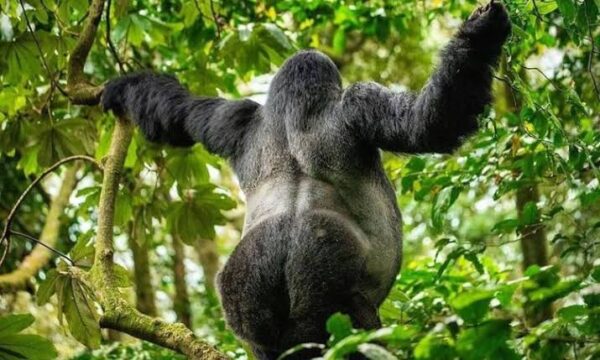
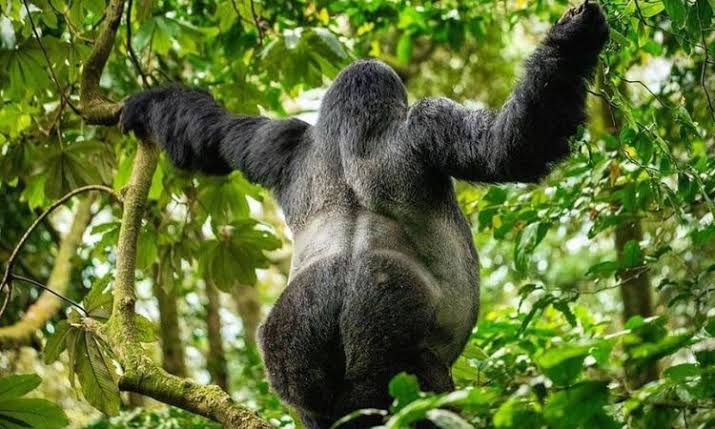
While internationally famous for its mountain gorillas, Bwindi Impenetrable Forest also ranks among Uganda’s most important birding destinations, hosting an exceptional concentration of Albertine Rift endemic species found in this ancient forest and few other locations on earth.
Serious birders combining gorilla trekking with dedicated birding walks along Bwindi’s forest trails can hope to encounter species such as the African green broadbill, Grauer’s rush warbler, and the strikingly colourful Rwenzori turaco, among numerous further sought after forest specialists.
The sheer biodiversity of Bwindi’s ancient, undisturbed rainforest, one of the richest in Africa for both flora and fauna, makes even a relatively short birding walk highly productive, and many gorilla trekking visitors are pleasantly surprised by the quality of birding encountered incidentally during their primate trekking activities, sometimes spotting a dozen or more notable species during the approach and return legs of a single gorilla trek.
Queen Elizabeth National Park:
Queen Elizabeth National Park offers exceptional birding diversity reflecting its own remarkable combination of habitats, including open savannah, forest patches, crater lakes, and the celebrated Kazinga Channel, together supporting an impressive checklist exceeding six hundred species, one of the highest counts recorded in any African national park.
The Kazinga Channel boat cruise in particular offers outstanding birding, bringing visitors close to African skimmers, pelicans, numerous heron and egret species, and dense concentrations of waterbirds gathered along the shoreline.
The park’s Maramagambo Forest and the dramatic Kyambura Gorge add further forest birding opportunities within the same broader park, while the open plains support raptors, bustards, and other classic savannah species. This remarkable combination of habitats within a single, easily explored park makes Queen Elizabeth an essential and highly rewarding stop on any comprehensive Ugandan birding itinerary.
Bwamba and Semuliki National Park
Semuliki National Park, extending into Uganda from the vast Ituri Forest of the Democratic Republic of Congo, offers birders access to a suite of Central African lowland forest species found in relatively few other Ugandan locations, reflecting the park’s unique position as an extension of the Congo Basin’s biodiversity into Uganda’s western border region.
This makes Semuliki a priority destination for dedicated birders specifically seeking these Central African specialities.
Species associated with Semuliki and the surrounding Bwamba region include various forest hornbills, the striking Congo serpent eagle, and numerous further Central African forest species rarely or never encountered elsewhere in East Africa, making the sometimes longer journey to this relatively remote western park a worthwhile investment for birders specifically chasing a comprehensive Ugandan or regional bird list.
Mgahinga
The Virunga volcanic foothills around Mgahinga Gorilla National Park offer further excellent opportunities for Albertine Rift endemic birding, combining naturally with golden monkey tracking and gorilla trekking in this scenic southwestern corner of the country.
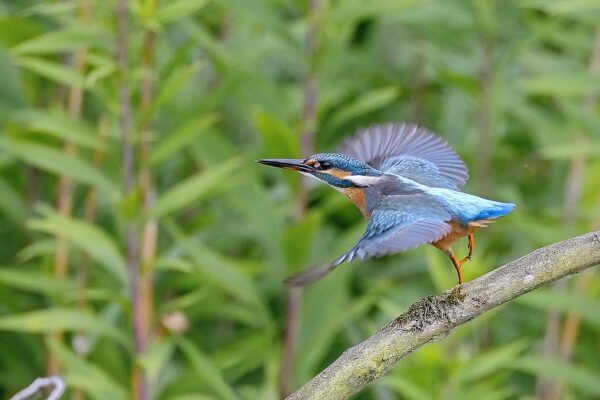
Birding in Mgahinga
The higher altitude bamboo and montane forest habitats found here support species distinct from those found in Bwindi’s lower elevation forest, adding valuable diversity to a comprehensive southwestern Ugandan birding itinerary.
Birders visiting Mgahinga can hope to encounter species including the handsome francolin, various sunbirds adapted to the higher altitude flowering plants, and further Albertine Rift specialities, making a combined visit to both Bwindi and Mgahinga particularly rewarding for birders wanting to maximise their tally of this globally significant endemic bird region.
Murchison Falls National Park: Nile Birdlife
Murchison Falls National Park, encompassing dramatic Nile scenery, savannah, and woodland habitats, offers further outstanding birding opportunities, with the park’s celebrated Nile boat cruise providing excellent views of numerous waterbirds and the chance, though not guaranteed, of spotting the shoebill stork in an alternative location to Mabamba Swamp.
The park’s mix of riverine forest, savannah, and open water supports a rich diversity of raptors, bee-eaters, and further waterbird species.
Murchison’s northern and southern sectors, explored via game drives, add further savannah species to the park’s already impressive checklist, including various bustards and the striking Abyssinian ground hornbill, making Murchison Falls a valuable and productive addition to any birding itinerary that also takes in the park’s celebrated wildlife and dramatic waterfall scenery.
Kibale Forest and Kidepo Valley
Kibale National Park, best known for its exceptional chimpanzee population, also offers excellent forest birding, with over three hundred species recorded within its lush rainforest, including several sought after species that combine naturally with chimpanzee trekking excursions and the nearby Bigodi Wetland Sanctuary community walk, itself an excellent and easily accessible birding location in its own right.
At the opposite geographical extreme, remote Kidepo Valley National Park in Uganda’s far northeastern corner offers a distinctly different birding experience, its dry savannah and rocky outcrops supporting species associated with the drier Sahelian and East African arid zone habitats, including various raptors and dry country specialists rarely encountered in Uganda’s wetter southwestern and central regions, rewarding adventurous birders willing to make the journey to this remote and rewarding park.
Key Ugandan Birding Sites at a Glance
| Site | Signature Species or Habitat |
| Mabamba Swamp | Shoebill stork, papyrus specialists |
| Bwindi Impenetrable Forest | Albertine Rift endemics, forest specialities |
| Queen Elizabeth National Park | Over 600 species, Kazinga Channel waterbirds |
| Semuliki National Park | Central African lowland forest species |
| Mgahinga Gorilla National Park | Montane and Albertine Rift species |
| Murchison Falls National Park | Nile waterbirds, savannah species, shoebill |
| Kibale National Park | Forest species, Bigodi Wetland Sanctuary |
| Kidepo Valley National Park | Dry country and Sahelian specialities |
Best Time for Birding in Uganda
Birding is rewarding in Uganda throughout the year, given the country’s rich resident bird population, but the period from November to April offers particularly outstanding birding as it coincides with the arrival of Palearctic migrant species travelling from Europe and Asia to escape the northern winter, substantially boosting the overall species count available during this period.
This makes the northern hemisphere winter months a particularly popular and productive time for dedicated birding trips to Uganda.
The dry seasons, from June to September and December to February, also offer advantages for birding, including easier access to more remote sites and generally more comfortable walking conditions, though Uganda’s birding remains excellent essentially year round given its overwhelmingly resident bird population.
Combining a visit during the November to April migrant season with the practical advantages of the dry season, where these periods overlap towards the start and end of the migrant window, offers an excellent compromise for birders wanting to maximise their species count while enjoying comfortable travelling conditions.